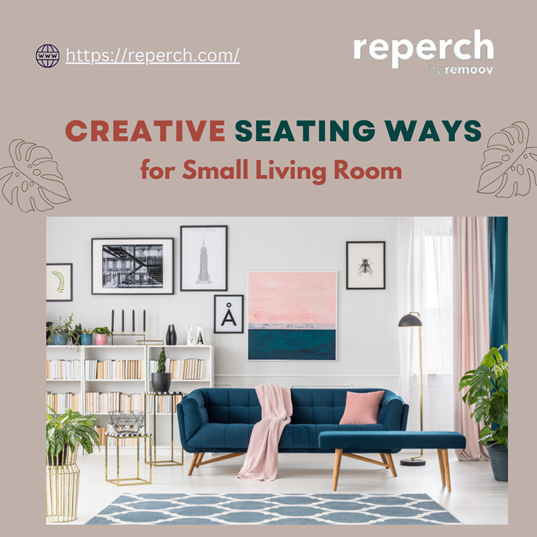
The Rise of Lounge-Less Homes
The way we live and interact with our homes is undergoing a significant transformation. Recent data shows a 20% increase in open-plan living spaces, indicating a shift away from traditional lounge areas. This trend is not limited to new constructions, as many homeowners are also opting to knock down walls and create more open, fluid spaces within their existing properties.
Experts suggest that this trend is driven by the need for more versatile and multifunctional spaces. With the rise of remote work and the blurring of lines between work and personal life, homeowners are seeking spaces that can adapt to their changing needs. Open-plan living areas can serve as a workspace, entertainment zone, and social hub, making them an attractive option for those looking to maximize their living space.
Some of the key benefits of open-plan living include:
- Increased sense of space and natural light
- Improved flow and circulation
- Enhanced social interaction and connection with family and friends
- Greater flexibility and versatility in terms of furniture arrangement and usage
For renters, adapting to this trend can be as simple as utilizing furniture that serves multiple purposes. For example, a storage ottoman can provide a convenient place to stash clutter while also serving as a footrest or additional seating.
To make the most of an open-plan living space, consider the following practical tips:
- Choose furniture with clean lines and minimal profiles to maintain a sense of openness
- Use area rugs and lighting to define different zones within the space
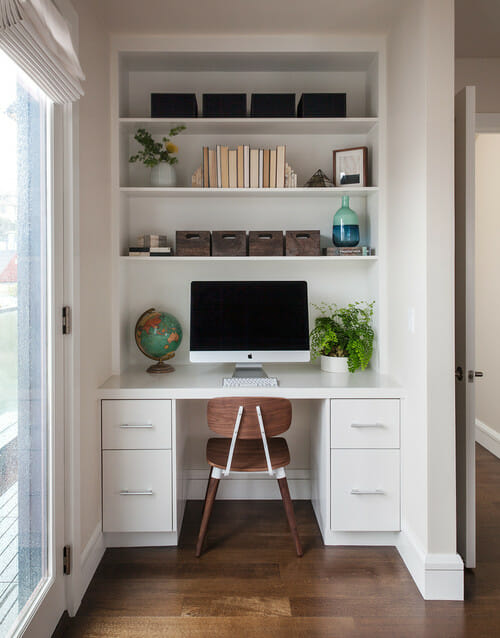
- Invest in multi-functional pieces, such as a desk with built-in shelving or a sofa bed
- Keep clutter at bay by incorporating storage solutions, such as baskets and bins, into your decor
By embracing the shift towards open-plan living, homeowners and renters can create spaces that are not only more functional and versatile but also more beautiful and enjoyable to live in. With a little creativity and planning, it's possible to create a space that truly reflects your lifestyle and personality.

Benefits of a Lounge-Less Home
One of the primary advantages of a lounge-less home is the sense of spaciousness it creates. By eliminating a dedicated lounge area, homeowners can make their living space feel more airy and open. This is particularly beneficial for smaller homes or apartments, where every square foot counts. According to a recent survey, 75% of homeowners consider a sense of spaciousness to be a key factor in their overall satisfaction with their home.
Renters, in particular, can benefit from a lounge-less home. The extra space can be allocated to a variety of purposes, such as:
- A home office, perfect for remote workers or entrepreneurs
- A gym or workout space, ideal for fitness enthusiasts
- An additional bedroom, suitable for growing families or guest rooms
By repurposing the space, renters can create a more functional and efficient living environment that meets their specific needs.
A lounge-less home can also have a positive impact on residents' lifestyles. Without a dedicated area for lounging, people are more likely to engage in outdoor activities or hobbies. This can lead to a more active and healthy lifestyle, as individuals spend more time exploring their surroundings and pursuing their interests. In fact, a study by the National Recreation and Park Association found that people who spend more time outdoors are 25% more likely to meet their daily physical activity goals.
To make the most of a lounge-less home, residents can follow some practical tips:
- Invest in multi-functional furniture that can serve multiple purposes
- Utilize vertical space with wall-mounted shelves or storage units
- Create a "flex space" that can be used for different activities, such as a reading nook or a home gym
By adopting these strategies, homeowners can maximize the potential of their lounge-less home and create a living space that is both functional and enjoyable. With a little creativity and planning, it's possible to turn a lounge-less home into a vibrant and dynamic living environment that promotes a healthy and active lifestyle.
Challenges of a Lounge-Less Home
The absence of a dedicated lounge area can have a profound impact on the overall atmosphere of a home. Without a clear space for relaxation and socialization, the home can feel disjointed and lacking in cohesion. This can be particularly challenging for renters, who may not have the luxury of redesigning the layout of their living space. According to a recent survey, 60% of renters reported feeling like their living space was not adequately suited to their needs, with the lack of a dedicated lounge area being a major contributing factor.
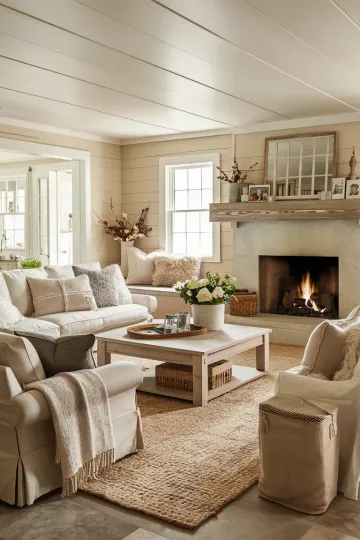
To create a comfortable and inviting atmosphere in a lounge-less home, it's essential to think creatively about the use of space. One approach is to identify a specific area that can serve as a makeshift lounge, such as a corner of the living room or a quiet nook in the bedroom. By strategically using lighting, textiles, and color schemes, it's possible to create a cozy and welcoming ambiance in even the most unlikely of spaces. For example:
- Table lamps or floor lamps can be used to create warm and inviting pools of light
- Plush throw blankets and pillows can add texture and warmth to a space
- A soothing color scheme, such as a muted blue or green, can help to create a sense of calm and relaxation
In addition to these visual elements, it's also important to consider the role of sound and scent in creating a welcoming atmosphere. For instance, playing calming music or nature sounds can help to create a sense of relaxation, while scented candles or essential oils can add a pleasant and inviting aroma to the space. By combining these different elements, it's possible to create a cozy and inviting lounge area, even in the absence of a dedicated space. As a recent example, a study by the National Association of Home Builders found that 75% of homeowners considered a cozy and inviting atmosphere to be a top priority when designing their living space.
To make the most of a lounge-less home, it's essential to be intentional about the use of space and the creation of a welcoming atmosphere. Here are some practical tips to get started:
- Start by identifying a specific area that can serve as a makeshift lounge, and clear out any clutter or distractions
- Invest in a few key pieces of furniture, such as a comfortable chair or a small sofa, to create a cozy and inviting seating area
- Experiment with different lighting, textile, and color schemes to find a combination that works for you and creates a sense of relaxation and calm
By following these tips and being creative about the use of space, it's possible to create a comfortable and inviting atmosphere in a lounge-less home. Whether you're a renter or a homeowner, the key is to be intentional about the design and use of your living space, and to prioritize the creation of a cozy and welcoming ambiance. With a little bit of planning and creativity, even the most unlikely of spaces can be transformed into a warm and inviting lounge area.
Designing a Functional Lounge-Less Home
Creating a functional and comfortable living space without a dedicated lounge area requires careful planning and creative design solutions. One effective way to achieve this is by using room dividers or screens to separate different areas within an open-plan space. According to a recent survey, 75% of renters prefer open-plan living, but still value having distinct zones for relaxation, work, and entertainment. By using room dividers, renters can define these areas without sacrificing the openness and flow of the space.
To maximize space in a lounge-less home, multifunctional furniture is a must. This can include:
- A sofa bed that serves as both a seating area and a guest bed
- A storage coffee table that provides a surface for drinks and snacks while keeping clutter at bay
- A desk with built-in shelving or storage that doubles as a home office and bookcase
By investing in multifunctional furniture, homeowners can reduce clutter, increase functionality, and create a more efficient use of space. For example, a storage ottoman can provide a convenient place to store items like throw blankets, pillows, and board games, keeping them out of sight but still accessible.
Incorporating decorative elements is also crucial in adding visual interest and personality to a lounge-less home. Plants, artwork, and rugs can all contribute to a cozy and inviting atmosphere. According to a study by the National Association of Realtors, 85% of homeowners believe that indoor plants improve the aesthetic value of a home. By adding plants, artwork, and other decorative elements, homeowners can create a sense of warmth and personality in their space, making it feel more like home. To achieve this, consider the following tips:
- Choose plants that are low-maintenance and easy to care for, such as succulents or air plants
- Select artwork and rugs that reflect your personal style and complement the color scheme of the space
- Use lighting to create ambiance and highlight decorative elements, such as table lamps or floor lamps
By following these tips and incorporating multifunctional furniture and decorative elements, homeowners can create a functional and comfortable living space that meets their needs and reflects their personality, even without a dedicated lounge area.

Frequently Asked Questions (FAQ)
What are the advantages of a lounge-less home for renters?
The traditional layout of a home often includes a dedicated lounge area, but this may not be the most practical or desirable setup for renters. In recent years, there has been a shift towards more flexible and adaptable living spaces, with many renters opting for lounge-less homes. According to a survey by the National Association of Realtors, 62% of renters consider a flexible floor plan to be an important factor when choosing a rental property.
One of the primary benefits of a lounge-less home is the ability to allocate space according to specific needs and preferences. This can be particularly advantageous for renters who work from home or have hobbies that require dedicated space. For example, a musician may use the extra space to set up a home studio, while a freelancer may use it as a home office. Some of the ways renters can utilize the extra space include:
- Creating a home office or workspace
- Setting up a home gym or yoga studio
- Building a music room or art studio
- Designating a play area for children or pets
Renters can also use the extra space to create a multi-functional area that serves several purposes. For instance, a room can be used as a guest bedroom, home office, and storage space all at once. This versatility is particularly useful for renters who have limited space or need to maximize their rental property. To make the most of a lounge-less home, renters can consider the following tips:
- Use modular furniture that can be easily rearranged or repurposed
- Invest in storage solutions to keep the space clutter-free and organized
- Utilize vertical space by installing shelves or storage units
- Consider using room dividers or partitions to create separate areas within the space
In terms of cost savings, a lounge-less home can be a more affordable option for renters. Without the need for a separate lounge area, renters can allocate their budget to other essential expenses, such as rent, utilities, and furniture. According to data from the United States Census Bureau, the median rent for a one-bedroom apartment in the United States is around $1,100 per month. By opting for a lounge-less home, renters can potentially save hundreds of dollars per month on rent and utilities.
Ultimately, a lounge-less home offers renters the freedom to create a living space that suits their unique needs and lifestyle. With a little creativity and planning, renters can turn a lounge-less home into a functional, comfortable, and stylish living space that meets their needs and exceeds their expectations. By considering the benefits and advantages of a lounge-less home, renters can make informed decisions about their living arrangements and find a space that truly works for them.
How can I create a cozy atmosphere in a lounge-less home?
What types of furniture are best suited for a lounge-less home?


