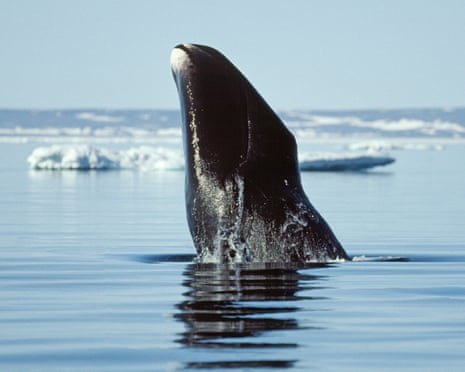
The Secret to Longevity
The discovery of the bowhead whale's extraordinary longevity has sparked significant interest in the scientific community, with researchers eager to unravel the secrets behind its remarkable lifespan. Recent studies have shed light on the unique genetic mutations that contribute to the bowhead whale's ability to live up to 211 years, making it one of the longest-living animals on the planet. By examining the bowhead whale's DNA, experts have identified specific genetic adaptations that may hold the key to promoting healthy aging in humans.
Some of the key genetic mutations found in the bowhead whale include modifications to genes involved in:
- DNA repair and maintenance
- Cellular stress response
- Inflammation and immune function
- Metabolic regulation and energy production
- Engaging in regular physical activity and exercise
- Maintaining a balanced diet rich in fruits, vegetables, and whole grains
- Getting adequate sleep and practicing stress-reducing techniques, such as meditation and yoga
- Staying socially connected and building strong relationships with family and friends

Unlocking the Genetic Code
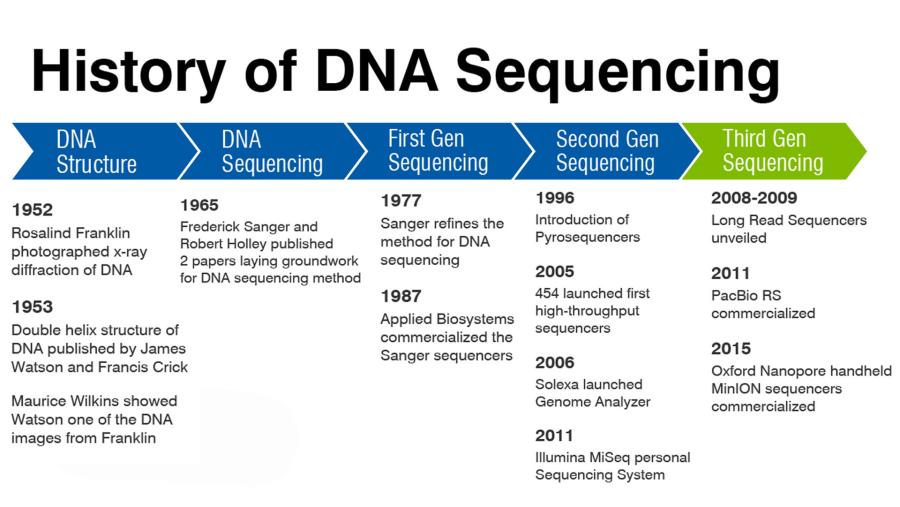
The discovery of the bowhead whale's DNA code is a groundbreaking achievement that has significant implications for our understanding of longevity and age-related diseases. This breakthrough has been made possible by advances in genetic sequencing technology and computational analysis, which have enabled researchers to decipher the complex genetic code of this remarkable species. According to recent studies, the bowhead whale's genome contains a unique combination of genes that contribute to its exceptional longevity, with some individuals estimated to live up to 211 years.
Researchers have identified specific genes and pathways that are associated with the whale's remarkable lifespan, including those involved in:
- DNA repair: genes that help to maintain the integrity of the whale's DNA and prevent damage from environmental stressors
- Cellular stress response: genes that enable the whale to respond to and mitigate the effects of cellular stress, which can contribute to aging and age-related diseases
- Metabolic regulation: genes that help to regulate the whale's metabolism and energy production, which can also contribute to its longevity
- Conduct further studies on the bowhead whale's genes and pathways to gain a deeper understanding of their role in longevity and age-related diseases
- Develop novel therapies that target the genes and pathways identified in the bowhead whale's genome, such as therapies that enhance DNA repair or cellular stress response
- Translate the findings from the bowhead whale's genome into clinical practice, by developing new treatments or preventive strategies for age-related diseases
- Maintaining a healthy lifestyle, including a balanced diet and regular exercise, to reduce the risk of age-related diseases
- Staying up-to-date with the latest research and advancements in the field of aging and age-related diseases
- Supporting research and initiatives that aim to develop new therapies and treatments for age-related diseases
Implications for Human Health
The discovery of the bowhead whale's genetic secrets has significant implications for human health, particularly in the prevention and treatment of age-related diseases. By understanding the genetic mechanisms that contribute to the whale's longevity, researchers may be able to develop new strategies for promoting healthy aging in humans. For instance, studies have shown that bowhead whales can live up to 211 years, making them one of the longest-living vertebrates on the planet. This remarkable longevity is likely due to the whale's unique genetic makeup, which includes genes that help to protect against cellular stress and damage.
Some of the key areas where the bowhead whale's genetic secrets may have an impact on human health include:
- Cancer prevention and treatment: Researchers have identified genes in the bowhead whale that help to suppress cancerous tumors, which could lead to the development of new cancer therapies.
- Age-related disease prevention: The whale's genetic mechanisms may also hold the key to preventing age-related diseases such as Alzheimer's and Parkinson's.
- Regenerative medicine: The bowhead whale's ability to repair damaged tissues and organs could inspire new approaches to regenerative medicine in humans.
- Stay informed about the latest research and developments in the field of genetics and aging.
- Consult with their healthcare provider about genetic testing and personalized medicine approaches.
- Adopt healthy lifestyle habits, such as a balanced diet and regular exercise, to promote healthy aging.

The Future of Aging Research
The study of the bowhead whale's DNA has opened up new avenues for aging research, with scientists eager to uncover the secrets behind this species' remarkable longevity. Bowhead whales can live for over 200 years, making them one of the longest-living animals on the planet. By analyzing their DNA, researchers hope to identify specific genes or genetic mechanisms that contribute to their extended lifespan. This knowledge could potentially be applied to humans, leading to significant advances in our understanding of aging and age-related diseases.
Recent studies have already shed light on the genetic factors that influence longevity in bowhead whales. For example, researchers have found that these whales have a unique genetic profile that helps to protect them against cancer and other age-related diseases. This knowledge has sparked interest in the potential for similar genetic mechanisms to be present in humans. As researchers continue to explore the genetic secrets of longevity, we can expect to see significant breakthroughs in the coming years. Some of the key areas of focus include:
- Identifying specific genes or genetic mechanisms that contribute to longevity
- Developing new therapies or treatments that target age-related diseases
- Uncovering the role of lifestyle and environmental factors in influencing human longevity
- Stay up-to-date with the latest research and findings in the field of aging research
- Adopt a healthy lifestyle, including a balanced diet, regular exercise, and social engagement
- Consider participating in clinical trials or studies focused on aging and age-related diseases


