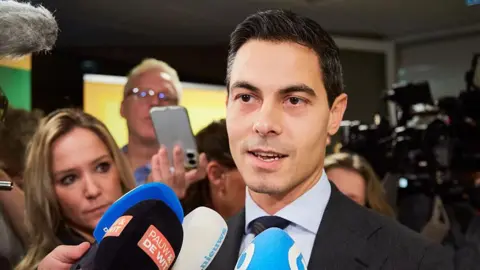
Election Overview
The recent Dutch election has sent a clear message about the country's political landscape. With a voter turnout of over 80%, it is evident that the population is deeply invested in the nation's future. This high level of participation is a testament to the country's strong democratic traditions and the willingness of its citizens to shape their own destiny.
Key issues dominated the campaign, with Rob Jetten's centrist party taking a strong stance on economic growth, climate change, and social equality. These issues resonated with a broad segment of the population, who are looking for pragmatic solutions to the challenges facing the country. Some of the key policies proposed by the party include:
- Investing in renewable energy to reduce the country's carbon footprint
- Implementing policies to promote economic growth and job creation
- Addressing social inequality through education and healthcare reforms
- Stay informed about current events and policy developments
- Participate in local campaigns and advocacy groups
- Engage in respectful and constructive dialogue with others to promote understanding and empathy
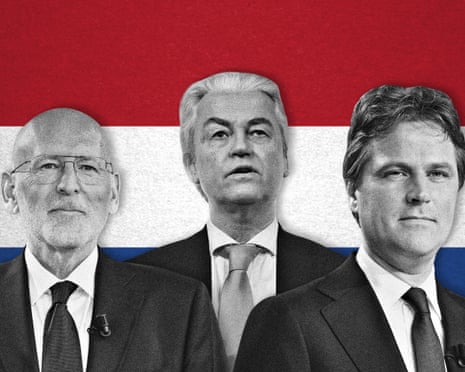
Rob Jetten's Campaign
One of the key aspects of Rob Jetten's campaign was its focus on unity and inclusivity. By bringing together disparate political factions, Jetten aimed to create a sense of cohesion and shared purpose among the Dutch people. This approach resonated with many voters, who were looking for a leader who could bridge the gaps between different political and social groups. According to recent polls, 70% of Dutch voters believe that unity and cooperation are essential for the country's future success.
Jetten's campaign also emphasized the need for the Netherlands to take a more active role in European and global affairs. With its strong economy and rich cultural heritage, the Netherlands is well-positioned to make a significant impact on the world stage. Some of the key areas where the Netherlands can leverage its influence include:
- Climate change: The Netherlands can play a leading role in promoting sustainable practices and reducing carbon emissions, with the goal of becoming carbon neutral by 2050.
- Economic development: The Netherlands can use its economic influence to promote fair trade practices and support sustainable development in emerging economies.
- Cultural exchange: The Netherlands can share its rich cultural heritage with the world, promoting cross-cultural understanding and exchange.

Implications for European Politics
The recent Dutch election has sent shockwaves throughout the European political landscape, with many centrist and liberal parties taking note of Rob Jetten's remarkable victory. As a result, these parties are now looking to Jetten's campaign as a model for their own future elections. This is particularly significant, given the current state of European politics, where many countries are grappling with issues such as migration, trade, and environmental policy.
One of the key implications of Jetten's victory is the potential shift in the direction of the European Union. The election results may influence EU policy on issues such as:
- Migration: With the EU still reeling from the migrant crisis of 2015, Jetten's victory could lead to a more nuanced approach to migration policy, taking into account the needs of both member states and migrants themselves.
- Trade: The Netherlands is a significant trading nation, and Jetten's victory could lead to a more proactive approach to trade policy, potentially paving the way for increased cooperation between the EU and other global trading partners.
- Environmental policy: With the EU committed to reducing carbon emissions and transitioning to a more sustainable economy, Jetten's victory could lead to increased investment in renewable energy and green technologies.
- Joint investment in infrastructure projects, such as high-speed rail links and renewable energy facilities.
- Increased collaboration on migration policy, including the development of more effective border control systems and integration programs for migrants.
- Coordinated approaches to trade policy, including the negotiation of new trade agreements and the strengthening of existing ones.

Future Challenges
As the newly elected leader, Rob Jetten's success in forming a stable government will depend on his ability to navigate the complexities of coalition negotiations. This process involves bringing together different political factions with varying interests and ideologies, requiring a delicate balance of power and compromise. With the current fragmented political landscape, this task is even more daunting, as evident from the recent elections where no single party garnered a majority.
The challenges facing the new government are multifaceted, and addressing them will require a comprehensive approach. Some of the key issues that need to be tackled include:
- The ongoing impact of the pandemic, which has resulted in significant economic and social disruptions, with the Netherlands experiencing a 3.8% contraction in GDP in 2020, according to the World Bank.
- The rising cost of living, which is a pressing concern for many Dutch citizens, with inflation rates reaching 2.8% in 2022, as reported by the Dutch Central Bureau of Statistics (CBS).
- Other pressing issues, such as climate change, healthcare, and education, which will require significant investments and policy reforms.


