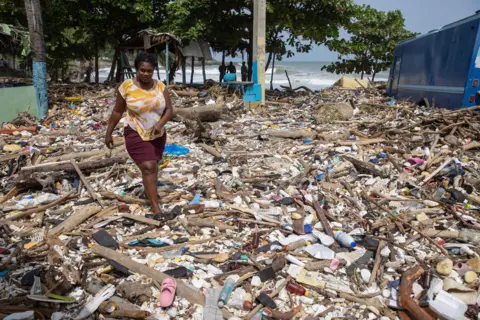
The Current State of Disaster
The world is witnessing an unprecedented rise in natural disasters, with hurricanes being a major concern. In recent years, the frequency and intensity of these storms have increased significantly, leaving a trail of destruction and devastation in their wake. According to data from the National Oceanic and Atmospheric Administration (NOAA), the 2020 hurricane season saw a record 30 named storms, with 12 making landfall in the United States. This surge in hurricane activity has resulted in thousands of people being displaced and struggling to access basic necessities like food, water, and shelter.
Expert analysis suggests that climate change is playing a significant role in exacerbating the severity of these storms. Rising global temperatures are causing sea levels to rise, leading to more frequent and intense flooding. Additionally, warmer ocean temperatures are fueling the development of more powerful hurricanes. For example, a study by the National Center for Atmospheric Research found that the likelihood of a hurricane reaching Category 4 or 5 strength has increased by 25% since the 1980s due to climate change.
To mitigate the impact of these disasters, preparedness and relief efforts are becoming increasingly crucial. Governments, organizations, and individuals must work together to provide support to those affected. Some ways to contribute to the cause include:
- Donating to reputable charities and organizations focused on disaster relief, such as the American Red Cross or the Salvation Army
- Volunteering time and skills to help with relief efforts, such as serving at a shelter or assisting with cleanup efforts
- Spreading awareness about the importance of disaster preparedness and the impact of climate change on hurricane severity
- Creating a disaster emergency kit with essential items like food, water, and first aid supplies
- Developing a family emergency plan, including a communication plan and evacuation route
- Staying informed about weather conditions and evacuation orders through reliable sources like the National Weather Service
UK Relief Efforts and Funding
The recent pledge of £5m by the UK government is a significant contribution to the international relief efforts. This funding is part of a broader strategy to provide immediate aid to those affected and support long-term recovery. According to recent data, the UK's contribution is among the largest from individual countries, demonstrating its commitment to global cooperation and disaster response.
UK officials have emphasized the importance of international collaboration in addressing the disaster's aftermath. As stated by a senior official, "The scale of the disaster requires a collective response, and we are working closely with our international partners to ensure that aid reaches those who need it most." This sentiment is echoed by other officials, who highlight the need for sustained support and cooperation to rebuild and recover from the disaster.
Some key aspects of the UK's relief efforts include:
- Providing emergency shelter and food to affected communities
- Supporting search and rescue operations
- Delivering medical aid and healthcare services
- Helping to restore critical infrastructure, such as water and sanitation systems
- Share updates and information on social media to raise awareness about the disaster and the relief efforts
- Contact local representatives and express support for continued international aid and cooperation
- Consider donating to reputable organizations and charities involved in the relief efforts
- Stay informed about the progress of the relief efforts and the ongoing needs of affected communities

Challenges in Relief Distribution
The aftermath of a disaster often presents a multitude of challenges, particularly when it comes to relief distribution. One of the most significant hurdles is the logistical nightmare that follows. Damaged infrastructure, such as roads, bridges, and airports, can severely limit the ability to transport aid to affected areas. Furthermore, remote island locations can be especially difficult to reach, with limited access to basic necessities like food, water, and medical care.
In recent years, we have seen the devastating impact of natural disasters on communities worldwide. For example, according to the United Nations, the 2020 hurricane season in Central America resulted in over $15 billion in damages, with many communities still recovering today. The human impact of these disasters is evident in the stories of those affected. Local testimonials and case studies highlight the need for adaptable relief strategies that can respond to the unique challenges of each disaster. Some common challenges include:
- Damaged or destroyed infrastructure, making it difficult to transport aid
- Remote locations, limiting access to basic necessities
- Lack of resources, including funding, personnel, and equipment
- Donating to reputable organizations, such as the Red Cross or Doctors Without Borders
- Volunteering time and skills to support relief efforts
- Spreading awareness about the importance of disaster relief and the challenges faced by affected communities

Looking Forward: Recovery and Prevention
As we move forward from the aftermath of disasters, it's essential to focus on rebuilding efforts that prioritize resilience and sustainability. This approach can significantly mitigate the impact of future disasters, reducing the risk of damage to communities and the environment. According to recent data, the United Nations estimates that investing in disaster risk reduction can save up to $7 in economic losses for every $1 invested. By incorporating sustainable materials, green infrastructure, and climate-resilient design, we can create stronger, more adaptable communities.
To develop effective strategies for disaster prevention and response, international partnerships and knowledge sharing are crucial. By collaborating with global experts, governments, and organizations, we can leverage best practices, cutting-edge technologies, and innovative solutions to enhance our disaster management capabilities. Some notable examples include:
- The Sendai Framework for Disaster Risk Reduction, a global initiative that aims to reduce disaster losses and promote sustainable development
- The International Federation of Red Cross and Red Crescent Societies' (IFRC) efforts to strengthen community resilience and disaster response through targeted programs and training
- The United Nations Office for Disaster Risk Reduction's (UNDRR) work in promoting disaster risk reduction and management through policy, advocacy, and technical support
- Support organizations working on climate change mitigation and disaster risk reduction, such as the Climate Resilience Fund or the Disaster Relief Fund
- Volunteer with local community groups or NGOs focused on environmental conservation, disaster response, and community development
- Stay informed about disaster risk reduction and climate change through reputable sources, such as the National Oceanic and Atmospheric Administration (NOAA) or the Intergovernmental Panel on Climate Change (IPCC)
- Make environmentally conscious choices in daily life, such as reducing energy consumption, using eco-friendly products, and promoting sustainable practices
Frequently Asked Questions (FAQ)
How can I donate to Caribbean disaster relief?
When considering donations to Caribbean disaster relief, it's essential to choose reputable charities and organizations. This ensures that your support reaches those in need directly, rather than being diverted or misused. Reputable charities have a proven track record of providing effective aid and are transparent about their operations and finances. Some notable organizations that have been involved in Caribbean disaster relief include the American Red Cross, the International Rescue Committee, and the Caribbean Disaster Emergency Management Agency (CDEMA). These organizations work tirelessly to provide essential services such as food, shelter, and medical care to those affected by disasters.
- The American Red Cross has a long history of responding to disasters in the Caribbean, providing critical support to affected communities.
- The International Rescue Committee has been working in the region to provide emergency assistance and support to those affected by hurricanes and other disasters.
- CDEMA is a regional organization that coordinates disaster response and relief efforts across the Caribbean, working closely with governments and other stakeholders to ensure effective support.


