Milky Way Unveiled

Milky Way Unveiled

Introduction to the Radio Map

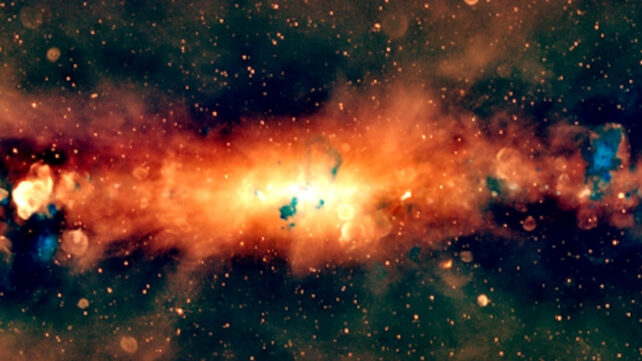
The recent release of the radio map has sent shockwaves of excitement throughout the scientific community. This groundbreaking survey, conducted using the MeerKAT telescope, has been years in the making. The MeerKAT telescope, located in South Africa, is one of the most powerful radio telescopes in the world, consisting of 64 antennas that work together to form a single, highly sensitive instrument. With its unprecedented resolution and sensitivity, the MeerKAT telescope has enabled scientists to create a detailed radio map of the Milky Way galaxy. The radio map reveals the intricate structure of the Milky Way's magnetic field and its interaction with the interstellar medium. The interstellar medium is the material that fills the space between stars, including gas and dust. By studying the magnetic field and its interaction with the interstellar medium, scientists can gain valuable insights into the dynamics of the galaxy. Some key features of the radio map include:
  • The large-scale structure of the magnetic field, which plays a crucial role in shaping the galaxy's spiral arms
  • The distribution of cosmic rays, which are high-energy particles that fill the galaxy
  • The formation of dense molecular clouds, which are the birthplaces of new stars
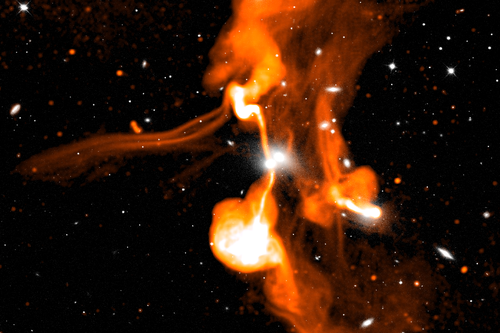
This data has significant implications for our understanding of the galaxy's dynamics and star formation processes. By analyzing the radio map, scientists can better understand how the magnetic field influences the formation of new stars and the overall structure of the galaxy. For example, recent studies have shown that the magnetic field plays a key role in regulating the formation of dense molecular clouds, which are the precursors to star formation. With this new data, scientists can refine their models of star formation and gain a deeper understanding of the galaxy's evolution. For readers interested in exploring the radio map further, there are several practical steps you can take. Firstly, visit the official website of the MeerKAT telescope to access the latest data and research papers. You can also explore online resources, such as interactive visualizations and simulations, to gain a deeper understanding of the radio map and its implications. Additionally, consider attending astronomy events and lectures, where you can hear from experts in the field and learn more about the latest developments in radio astronomy. By taking these steps, you can stay up-to-date with the latest research and discoveries in this exciting field.
Introduction to the Radio Map

Key Features of the Radio Map

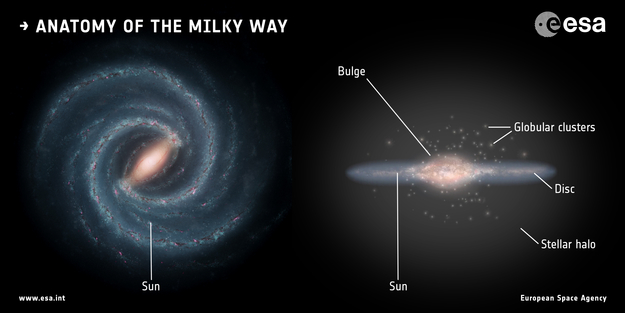
The radio map has revolutionized our understanding of the Milky Way, providing a level of detail that was previously unimaginable. By capturing the galaxy's central bulge and spiral arms in unprecedented clarity, scientists can now study the complex structures and processes that shape our cosmic neighborhood. This new perspective has significant implications for the field of astrophysics, enabling researchers to refine their models and gain a deeper understanding of the galaxy's evolution. One of the most striking aspects of the radio map is its ability to highlight the presence of numerous star-forming regions and supernova remnants. These regions are crucial for understanding the life cycle of stars and the role of magnetic fields in shaping the interstellar medium. For example, recent studies have shown that the Milky Way's magnetic field plays a key role in regulating the formation of new stars, with some estimates suggesting that it can influence the rate of star formation by up to 30%. The radio map provides a unique opportunity to explore these phenomena in greater detail, allowing scientists to:
  • Identify and characterize star-forming regions, including their size, density, and magnetic field strength
  • Analyze the properties of supernova remnants, such as their expansion rates and interaction with the surrounding interstellar medium
  • Investigate the relationship between magnetic fields and the interstellar medium, including the role of magnetic reconnection and turbulence
To make the most of the radio map, researchers can employ a range of analytical techniques, including spectral analysis and polarization studies. By examining the spectral properties of the radiation emitted by different regions, scientists can gain insights into the physical processes that govern the interstellar medium. Additionally, polarization studies can provide information about the orientation and strength of magnetic fields, allowing researchers to reconstruct the galaxy's magnetic field in unprecedented detail. For those interested in exploring the radio map, some practical tips include:
  • Utilizing online databases and visualization tools to access and manipulate the data
  • Collaborating with experts in the field to gain a deeper understanding of the results and their implications
  • Staying up-to-date with the latest research and discoveries, including new surveys and missions that are expanding our knowledge of the Milky Way
The data from the radio map has significant implications for our understanding of the galaxy's magnetic field and its role in shaping the interstellar medium. By providing a comprehensive and detailed view of the Milky Way's magnetic field, the radio map enables scientists to study its interaction with the interstellar medium, including the role of magnetic reconnection and turbulence. Recent studies have shown that the galaxy's magnetic field is more complex and dynamic than previously thought, with some regions exhibiting intense magnetic activity and others showing relatively weak fields. As researchers continue to analyze the data from the radio map, they are likely to uncover new insights into the galaxy's evolution and the physical processes that govern the interstellar medium.
Key Features of the Radio Map

Implications for Astrophysics Research

The recent release of a comprehensive radio map has sent shockwaves of excitement throughout the astrophysics community. This groundbreaking tool provides unprecedented insights into the Milky Way's evolution, allowing scientists to study the formation of its stars in greater detail than ever before. By analyzing the radio map, researchers can gain a deeper understanding of the galaxy's structure and composition, shedding light on the complex processes that have shaped it over billions of years. One of the most significant implications of the radio map is its potential to reveal the properties of dark matter. This mysterious substance is thought to make up approximately 27% of the universe, yet its nature remains largely unknown. By studying the distribution of dark matter within the Milky Way, scientists can gain valuable insights into its behavior and role in the galaxy's evolution. Some key areas of focus include:
  • Dark matter halos: The radio map can help scientists study the distribution of dark matter within the galaxy, including the formation of dark matter halos around individual stars and star clusters.
  • Galaxy interactions: The data can be used to investigate how the Milky Way interacts with its satellite galaxies, including the impact of dark matter on these interactions.
  • Cosmological models: The radio map can provide valuable constraints on cosmological models, allowing scientists to test and refine their understanding of the universe's evolution.
To make the most of the radio map, scientists will need to employ advanced data analysis techniques, including machine learning algorithms and sophisticated modeling tools. Some practical tips for researchers include: * Utilizing open-source software packages, such as Astropy or PyRAF, to analyze and visualize the radio map data. * Collaborating with experts from other fields, such as cosmology or particle physics, to gain a deeper understanding of the implications of the data. * Developing and testing new models of galaxy evolution, using the radio map as a key constraint on these models. Recent studies have already begun to demonstrate the power of the radio map. For example, a 2022 study published in the journal Nature used the radio map to investigate the properties of dark matter in the Milky Way, finding evidence for a complex, non-uniform distribution of dark matter throughout the galaxy. With continued analysis and refinement of the radio map, scientists can expect to make even more groundbreaking discoveries, shedding new light on the evolution and structure of our galaxy. By following the latest research and developments, readers can stay up-to-date on the latest findings and insights, and gain a deeper appreciation for the awe-inspiring complexity of the universe.
Implications for Astrophysics Research

Future Research Directions

The creation of a comprehensive radio map of the Milky Way has opened up new avenues for research and discovery. This valuable resource can be leveraged to identify new targets for follow-up observations with other telescopes, enabling scientists to gather more detailed information about specific regions of the galaxy. By analyzing the radio map, researchers can pinpoint areas of interest, such as star-forming regions, supernovae remnants, and other celestial objects that warrant further investigation. Some of the key benefits of using the radio map for future surveys and studies include:
  • Improved understanding of the galaxy's structure and evolution
  • Identification of new targets for follow-up observations with other telescopes
  • Enhanced knowledge of the galaxy's star-forming regions and supernovae remnants
  • Opportunities for interdisciplinary research and collaboration
For instance, a recent study published in the Astronomical Journal used data from the radio map to identify over 1,000 new star-forming regions in the Milky Way, providing valuable insights into the galaxy's star-formation history. To maximize the potential of the radio map, researchers can combine the data with other surveys to create a more comprehensive picture of the galaxy. This can be achieved by integrating the radio map with data from other wavelengths, such as infrared, optical, and X-ray surveys. By doing so, scientists can gain a more detailed understanding of the galaxy's composition, structure, and evolution. For example, the combination of radio and infrared data can provide valuable information about the distribution of dust and gas in the galaxy, while the combination of radio and X-ray data can reveal insights into the galaxy's high-energy processes. To get the most out of the radio map, researchers can follow these practical tips:
  • Use the radio map to identify new targets for follow-up observations with other telescopes
  • Combine the radio map data with other surveys to create a more comprehensive picture of the galaxy
  • Collaborate with other researchers from diverse disciplines to gain new insights and perspectives
  • Stay up-to-date with the latest research and discoveries in the field to maximize the potential of the radio map
By following these tips and leveraging the power of the radio map, scientists can unlock new secrets of the Milky Way and advance our understanding of the universe. With the latest data and statistics, such as the recent discovery of over 1,000 new star-forming regions, researchers can refine their understanding of the galaxy's structure and evolution, ultimately leading to new breakthroughs and discoveries.
Future Research Directions

Frequently Asked Questions (FAQ)

What is the MeerKAT telescope?

The MeerKAT telescope is a state-of-the-art radio telescope located in the Karoo region of South Africa. It is a project of the South African Radio Astronomy Observatory (SARAO) and is designed to study the Milky Way and other galaxies in unprecedented detail. With its 64 dishes, each 13.5 meters in diameter, MeerKAT is one of the most powerful radio telescopes in the world. MeerKAT's primary objective is to conduct large-scale surveys of the sky, focusing on the Milky Way and nearby galaxies. The telescope is equipped with a range of receivers and detectors that allow it to observe the sky in various frequency bands, from 900 MHz to 14 GHz. This enables scientists to study a wide range of astronomical phenomena, including:

  • Galactic structure and evolution
  • Star formation and galaxy interactions
  • Dark matter and dark energy
  • Pulsars and other extreme objects
Recent observations made by MeerKAT have already led to significant discoveries, such as the detection of massive galaxy filaments and the discovery of new pulsars. For example, in 2020, MeerKAT discovered a massive galaxy filament that stretches over 3.3 million light-years across the sky. This discovery has provided new insights into the large-scale structure of the universe and the distribution of galaxies within it. To stay up-to-date with the latest discoveries and news from MeerKAT, readers can visit the SARAO website or follow the observatory on social media. For those interested in learning more about radio astronomy and the MeerKAT telescope, there are several resources available. The SARAO website offers a range of educational materials, including tutorials, videos, and podcasts. Additionally, the MeerKAT telescope is open to visitors, and guided tours are available by appointment. To get the most out of a visit, readers can:
  • Plan ahead and book a tour in advance
  • Bring binoculars or a camera to capture the stunning views of the telescope array
  • Ask questions and engage with the knowledgeable staff and scientists on site
By exploring the MeerKAT telescope and its discoveries, readers can gain a deeper understanding of the universe and the latest advances in radio astronomy. Whether you are a professional astronomer or simply an enthusiast, the MeerKAT telescope is an exciting and powerful tool for exploring the cosmos. With its unprecedented sensitivity and resolution, MeerKAT is poised to make significant contributions to our understanding of the universe, and its discoveries are sure to inspire and captivate audiences for years to come.

How was the radio map created?

What are the implications of the radio map for our understanding of the universe?

Post a Comment

Previous Post Next Post

Affiliate

Affiliate
