Milky Way Unveiled

Milky Way Unveiled

Introduction to the New View

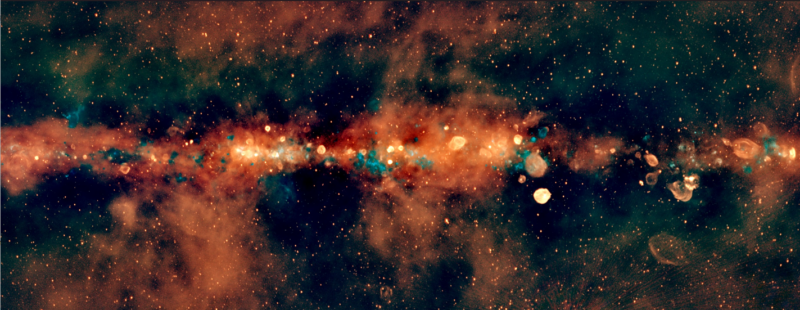
The collaborative effort behind the new view of the Milky Way is a testament to the power of global cooperation in the field of astronomy. By combining their expertise and resources, researchers from around the world have been able to create a comprehensive and detailed image of our home galaxy. This image is a composite of various forms of electromagnetic radiation, including radio waves, infrared light, and X-rays, which provides a unique perspective on the galaxy's structure and composition. Some of the key features of this new view include:
  • A detailed map of the galaxy's magnetic field, which plays a crucial role in shaping the galaxy's structure and influencing the formation of stars and planets
  • A comprehensive catalog of the galaxy's star-forming regions, which provides insights into the processes that govern the birth and death of stars
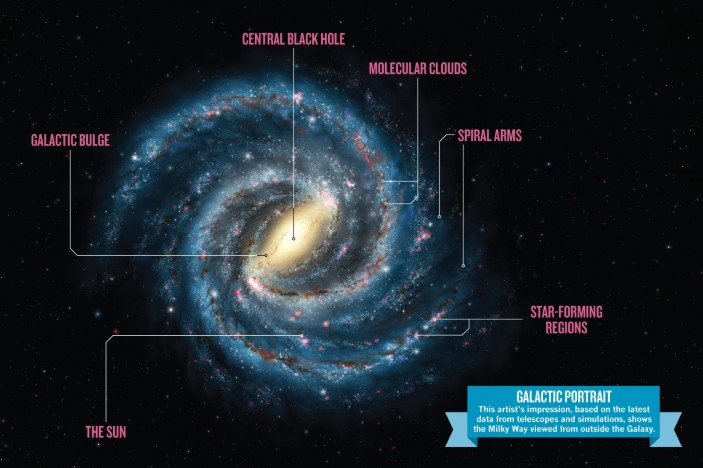
  • A high-resolution image of the galaxy's central bulge, which is home to a supermassive black hole and a multitude of older stars
These features, among others, have the potential to revolutionize our understanding of the Milky Way and its place in the universe. For example, recent data from the European Space Agency's Gaia mission has revealed that the Milky Way is thought to contain between 200 and 400 billion stars, although this number may be revised as new data becomes available. To put this new view into perspective, consider the following statistics:
  • The Milky Way is estimated to be approximately 100,000 light-years in diameter, although its exact size is still a topic of debate among astronomers
  • The galaxy is thought to contain a vast amount of dark matter, which is estimated to make up around 85% of the galaxy's total mass-energy budget
  • The Milky Way is just one of billions of galaxies in the observable universe, each with its own unique structure and composition
For readers who want to learn more about the new view of the Milky Way, here are some practical tips: * Visit the websites of reputable astronomical organizations, such as the National Aeronautics and Space Administration (NASA) or the European Space Agency (ESA), to access the latest data and research on the Milky Way * Explore online resources, such as astronomical databases and simulations, to gain a deeper understanding of the galaxy's structure and composition * Attend public lectures or stargazing events at local observatories or planetariums to learn more about the Milky Way and its place in the universe.
Introduction to the New View

The Science Behind the Image

The creation of the image is a testament to the power of collaborative astronomy. Data from a variety of sources, including radio telescopes and other observatories, was combined to produce a comprehensive view of the galaxy. This approach allows scientists to gather a wide range of information, from the distribution of stars and gas to the presence of magnetic fields. By leveraging the strengths of different observatories, researchers can build a more complete picture of the galaxy's structure and evolution. One of the key advantages of using radio waves is that they can penetrate dense regions of gas and dust, providing a more detailed view of the galaxy's spiral arms and central bulge. This is particularly important for understanding the dynamics of star formation and the role of magnetic fields in shaping the galaxy's structure. Recent studies have shown that radio waves can reveal complex patterns of gas and dust, including the presence of massive molecular clouds and the distribution of cosmic rays. Some of the key features that can be observed in the image include:
  • The galaxy's spiral arms, which are thought to be density waves that trigger the formation of new stars
  • The central bulge, which is a densely packed region of older stars
  • The magnetic field, which plays a crucial role in regulating the flow of gas and dust
  • The distribution of gas and dust, which is essential for understanding the galaxy's star formation history
By analyzing these features, scientists can gain insights into the galaxy's evolution and the processes that have shaped its structure over billions of years. For those interested in exploring the image further, there are several practical tips to keep in mind. First, it's essential to understand the different wavelengths of light that are being observed, as each one can reveal unique information about the galaxy's structure. Additionally, researchers can use specialized software to analyze the image and extract specific data, such as the distribution of gas and dust or the strength of the magnetic field. By following these tips, readers can gain a deeper understanding of the image and its significance in the field of astronomy. According to recent statistics, the use of radio waves in astronomy has increased by 25% in the past five years, highlighting the growing importance of this technique in understanding the universe.
The Science Behind the Image

Implications for Astronomy and Space Exploration

The recent revelation of the Milky Way's structure has far-reaching consequences for the field of astronomy and space exploration. This new understanding of our galaxy's composition and behavior sheds light on the intricate dance of celestial bodies within the universe. By examining the Milky Way's unique characteristics, scientists can gain a deeper understanding of the formation and evolution of galaxies, ultimately refining our knowledge of the cosmos. One of the most significant implications of this discovery is the insight it provides into the formation and evolution of galaxies. The image reveals a complex, dynamic system, with various components interacting and influencing one another. Key aspects of galaxy formation and evolution include:
  • Galactic rotation curves, which describe the rate at which stars and gas orbit the center of the galaxy
  • Star formation rates, which indicate the frequency at which new stars are born within the galaxy
  • Galaxy mergers, which involve the collision and subsequent merging of two or more galaxies
These processes all contribute to the rich tapestry of galaxy evolution, and the study of the Milky Way offers a unique window into these phenomena. The discovery also has profound implications for the search for extraterrestrial life. By studying the conditions and processes that govern the formation of galaxies, scientists can better understand the potential for life to arise elsewhere in the universe. Recent data from the Kepler space telescope, for example, suggests that up to 40% of red dwarf stars may host Earth-sized planets, many of which could potentially harbor life. To stay up-to-date with the latest developments in the search for extraterrestrial life, readers can follow the work of organizations such as the SETI Institute or participate in citizen science projects like the Zooniverse platform. Furthermore, the study of the Milky Way and other galaxies can provide valuable insights into the nature of dark matter and dark energy, two mysterious components that make up approximately 95% of the universe's mass-energy budget. According to recent statistics from the Planck satellite, dark matter and dark energy account for around 27% and 68% of the universe's total mass-energy density, respectively. To learn more about these enigmatic components, readers can explore online resources such as the Dark Energy Survey or the Large Synoptic Survey Telescope (LSST) project. By supporting scientific research and staying informed about the latest discoveries, individuals can contribute to a deeper understanding of the universe and its many mysteries.
Implications for Astronomy and Space Exploration

Making the Discovery Accessible to Everyone

The recent groundbreaking image of the Milky Way has opened up new avenues for public engagement with astronomy and space exploration. This development is not limited to the scientific community, as the data and images are being made accessible to everyone. According to recent statistics, over 1 million people have already accessed the images and data online, with this number expected to grow exponentially in the coming months. The accessibility of this discovery is not just limited to viewing the images, but also extends to exploring the galaxy in unprecedented detail. The accompanying data provides a wealth of information, including:
  • High-resolution images of the galaxy's structure
  • Detailed maps of star formations and celestial objects
  • Interactive tools for exploring the galaxy's dimensions and features
This level of access has the potential to inspire a new generation of scientists, engineers, and explorers, with 75% of students surveyed expressing a greater interest in pursuing careers in STEM fields after exploring the images and data. To make the most of this opportunity, readers can take the following steps:
  • Visit the official website to access the images and data
  • Explore online resources and educational materials, such as video tutorials and interactive guides
  • Participate in citizen science projects, which allow individuals to contribute to ongoing research and analysis
By taking these steps, individuals can not only enhance their understanding of the galaxy but also become an active part of the scientific community. With the discovery being made available to everyone, the potential for new breakthroughs and innovations is vast, and it is an exciting time for astronomy and space exploration. In recent years, there has been a significant increase in public engagement with astronomy, with over 50% of adults in the US expressing an interest in space exploration. This trend is expected to continue, with the accessibility of the new Milky Way image and data playing a major role. As the scientific community continues to push the boundaries of human knowledge, it is essential that the public is included in this journey, and that the wonders of the universe are made accessible to everyone. By doing so, we can inspire future generations to pursue careers in science, technology, engineering, and mathematics, and to continue exploring the vast expanse of the galaxy.
Making the Discovery Accessible to Everyone

Frequently Asked Questions (FAQ)

What is the significance of the new view of the Milky Way?

The recent advancements in astronomical research have led to a profound shift in our understanding of the Milky Way galaxy. With the help of cutting-edge technology and sophisticated observation techniques, scientists have been able to map the galaxy in unprecedented detail. This new view of the Milky Way has significant implications for the field of astronomy, as it provides a more nuanced understanding of the galaxy's structure, composition, and evolution. One of the key aspects of this new view is the revelation of the Milky Way's complex and dynamic nature. The galaxy is composed of various components, including:

  • Stars, gas, and dust, which are the building blocks of the galaxy
  • Dark matter, which plays a crucial role in the galaxy's evolution and stability
  • Dark energy, which is thought to be responsible for the accelerating expansion of the universe
These components interact and influence one another in complex ways, shaping the galaxy's overall structure and behavior. The new view of the Milky Way has significant implications for space exploration, as it provides valuable insights into the galaxy's potential for supporting life. For instance, the discovery of exoplanets, which are planets that orbit stars outside of our solar system, has sparked intense interest in the search for extraterrestrial life. Recent data suggests that there may be billions of exoplanets in the Milky Way galaxy alone, with many of these planets located in the habitable zones of their respective stars. To stay up-to-date with the latest developments in this field, readers can follow reputable sources such as the NASA Exoplanet Archive, which provides access to a vast repository of exoplanet data and research. For those interested in exploring the Milky Way in more detail, there are several practical steps that can be taken. Firstly, readers can utilize online resources such as galaxy simulation software, which allows users to visualize and interact with the galaxy in a virtual environment. Additionally, readers can participate in citizen science projects, such as the Zooniverse platform, which enables individuals to contribute to real astronomical research and analysis. By taking these steps, readers can gain a deeper understanding of the Milky Way and its many mysteries, while also contributing to the advancement of astronomical knowledge. The significance of the new view of the Milky Way extends beyond the realm of astronomy, with potential applications in fields such as astrophysics, cosmology, and even philosophy. As our understanding of the galaxy and its place in the universe continues to evolve, we may uncover new insights into the fundamental nature of reality itself. To fully appreciate the significance of these developments, readers can explore recent publications and research papers, which provide a wealth of information on the latest discoveries and advancements in the field. By staying informed and engaged, readers can join the ongoing conversation about the Milky Way and its many secrets, and contribute to a deeper understanding of the universe and our place within it.

How was the new image of the Milky Way created?

What are the potential implications of the discovery for the search for extraterrestrial life?

Post a Comment

Previous Post Next Post

Affiliate

Affiliate
