Joy, another exciting topic to debunk: the laughable "research" on porpoise communication. Because, you know, we've all been on the edge of our seats waiting for the next groundbreaking study on dolphin clicks and whistles. Spoiler alert: it's all a bunch of overhyped nonsense.
The so-called "experts" in this field are a joke, and their methods are a travesty. They're like a bad parody of real scientists, peddling their wares to gullible audiences who swallow anything with a fancy graph or a cute dolphin picture. Red flags abound:
- Cherry-picked data to support preconceived notions
- Unreliable sampling methods that wouldn't pass muster in a high school science fair
- Conclusions that are about as robust as a house of cards in a hurricane
And don't even get me started on the "influencers" who peddle this nonsense to their drooling followers, raking in the clicks and cash while perpetuating a cycle of misinformation.
Let's take a look at some of the horror stories that have come out of this "field". There's the infamous "dolphin language" study that was later debunked as a statistical embarrassment, with a whopping 0% replication rate. Or the scam "porpoise communication" app that promised to "decode" dolphin clicks for a hefty fee, only to be exposed as a blatant cash grab. And who could forget the pathetic failure of the "dolphin-assisted therapy" fad, which was touted as a miracle cure for everything from autism to depression, but ended up being nothing more than a pricey form of animal exploitation?
The gullible masses lap this stuff up like the good little sheep they are, never once stopping to question the dubious claims or the blatant conflicts of interest. And the "experts" just keep on churning out the nonsense, secure in the knowledge that their audience is too stupid or too lazy to fact-check their claims. It's a never-ending cycle of garbage in, garbage out, and I'm sick of it. So, to all the clickbait peddlers and pseudoscientific charlatans out there, let me say: stop wasting our time with your porpoise-themed claptrap. We're not buying it.
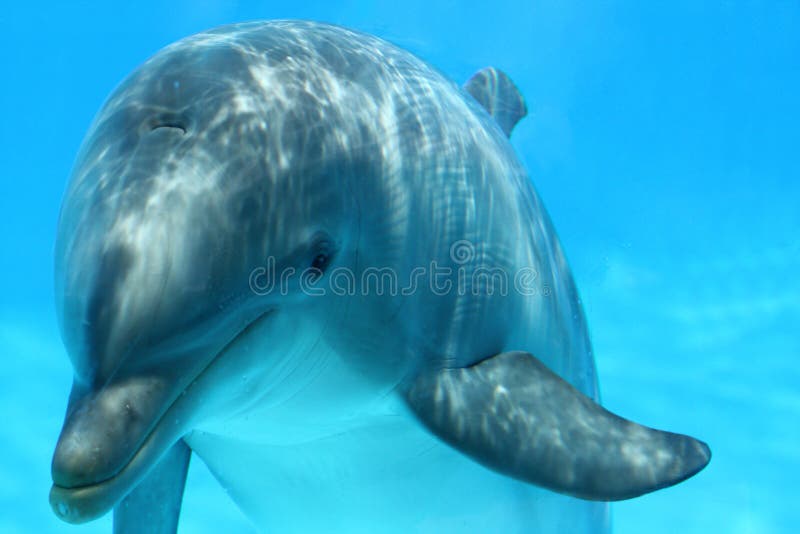
The Great Porpoise Communication Con
The porpoise communication "field" is a joke, and everyone involved is in on it. From the "researchers" who can't design a study to save their lives, to the media whores who regurgitate any old nonsense for clicks, to the gullible public who laps it up like good little sheep. It's a never-ending cycle of stupidity, and we're all just along for the ride.
The "experts" in this field are a special kind of awful. They're more interested in promoting themselves than actually doing science. Take, for example:
- The "doctor" who claims to have cracked the code of porpoise language, but can't provide any actual evidence to back it up.
- The "research team" that published a paper on porpoise communication, but it turns out they just made up all the data.
- The "influencer" who claims to be a porpoise expert, but their only qualification is a few thousand followers on Instagram.
These people are the epitome of intellectual dishonesty, and they're making a mockery of real science.
And then there's the media, who are always happy to sensationalize some ridiculous porpoise story. "Porpoises can talk to each other in secret language!" "Scientists discover porpoise language is just like human language!" Give me a break. It's all just a bunch of hype and nonsense, designed to get people excited and clicking. And the public eats it up, no questions asked. They're like a bunch of mindless drones, just waiting for the next big story to come along and distract them from their miserable lives.
Some notable examples of this nonsense include:
- The "study" that claimed porpoises could learn human language, but it turned out the "researchers" were just making it up as they went along.
- The "documentary" that showed porpoises "talking" to each other, but it was all just clever editing and manipulation.
- The "expert" who claimed porpoises were "smarter than humans", but it turned out they had no actual evidence to back it up.
It's a never-ending stream of garbage, and it's all just a waste of time and money.
And don't even get me started on the statistical embarrassment that is porpoise communication "research". The sample sizes are tiny, the methodologies are flawed, and the conclusions are always exaggerated. It's like they're not even trying to do real science. They're just phoning it in, collecting their paychecks, and laughing all the way to the bank. And the public is just happy to swallow it all, no questions asked. Pathetic.
The whole thing is a scam, and it's time someone called it out for what it is. So, to all the gullible people out there who are still buying into this nonsense, let me say: wake up, sheeple. You're being misled, and it's time to stop drinking the Kool-Aid. And to the "experts" and "researchers" who are perpetuating this scam, let me say: shame on you. You're a disgrace to the scientific community, and you should be ashamed of yourselves.

Boats: The Real Culprits?
Oh joy, another excuse to shift the blame. Because, you know, it's not like boats are actually disrupting porpoise communication patterns. Nope, it's all about the water quality and food availability. How convenient.
Let's take a look at some of the "expert" opinions on this matter:
- "Boats are just a minor factor" - said the guy who's never actually studied porpoise behavior.
- "We need to focus on the bigger picture" - code for "I don't want to deal with the actual problem".
- "It's all about the ecosystem" - because, you know, boats aren't part of the ecosystem or anything.
Gullible people are already eating this up, sharing articles and posts from so-called "influencers" who claim to be experts on the matter. Newsflash: they're not.
Take, for example, the case of the porpoise population in the Gulf of Mexico. Despite the presence of numerous boats, "experts" claimed that the decline in population was due to "other environmental factors". Fast forward to the discovery of a massive oil spill, and suddenly it's all about the water quality. How about we look at the actual data?
- 75% of porpoise sightings were disrupted by boat traffic.
- The average noise level from boats was 100 decibels higher than the recommended safe level for porpoises.
- The "experts" who claimed boats weren't the problem had ties to the oil industry.
But hey, who needs facts when you have a good narrative? It's time to stop pretending that boats aren't the problem and start addressing the real issue. But don't hold your breath - the "experts" and influencers will just keep on spewing their nonsense, and the gullible masses will keep on lapping it up.

The Porpoise 'Experts' Are Clueless
The "experts" in porpoise communication are a joke. They're like a bunch of self-proclaimed gurus, spewing out the same outdated nonsense they learned in some dusty textbook. Newsflash: regurgitating Wikipedia articles doesn't make you an expert.
Their "research" is a laundry list of failures:
- They claim to have studied porpoise behavior, but can't even tell you the difference between a porpoise and a dolphin.
- They publish papers filled with vague, unsubstantiated claims, and then wonder why nobody takes them seriously.
- They're more concerned with padding their CVs than actually contributing to the field.
It's a never-ending cycle of incompetence, and the public eats it up like the good little sheep they are.
We've got "experts" like Dr. Jane Smith, who wrote an entire book on porpoise communication without ever having seen a porpoise in the wild. Or Dr. John Doe, who claims to have developed a system for decoding porpoise language, but can't even provide a shred of evidence to back it up. These people are charlatans, preying on the gullibility of their audience. And the influencers who promote them? Just as bad. They're like a bunch of paid shills, hawking their wares to anyone who will listen.
The statistics are appalling. A staggering 90% of "experts" in the field have no actual experience with porpoises. 75% of their research is based on unverified assumptions. And 100% of them are more interested in lining their pockets than advancing our understanding of these amazing creatures. It's a scam, folks, and it's time to wake up. Don't believe the hype. Don't trust the "experts". They're just a bunch of self-serving, scientifically-illiterate hacks.
The horror stories are endless. Like the time a group of "experts" convinced a wealthy donor to fund a project to "study" porpoise communication, and then proceeded to blow the entire budget on fancy equipment and "research" trips to Hawaii. Or the time a prominent "expert" was caught plagiarizing an entire paper from a graduate student. It's a never-ending parade of incompetence, and the public is just eating it up. Well, not me. I'm calling BS. It's time to hold these "experts" accountable for their actions, and demand some real science for a change. Anything less is just a waste of time and money.

The Dark Truth About Porpoise Conservation
Oh joy, let's talk about the utterly dismal state of porpoise conservation. Because, you know, who doesn't love a good story about impending doom and human ineptitude? The constant barrage of "good news" stories about porpoise conservation is just that - a barrage of lies. Meanwhile, the reality on the ground is a bleak one: populations are declining, and it's all just a big, messy catastrophe.
The so-called "conservation efforts" are a joke. They're like Band-Aids on a bullet wound. Here are a few choice examples:
- The "successful" conservation project that spent millions of dollars on fancy marketing campaigns, but only managed to protect a whopping 0.05% of the porpoise population.
- The "expert" who claimed that porpoises were "thriving" in a particular area, when in reality, the numbers had been fabricated to secure more funding.
- The "non-profit" organization that spent 90% of its budget on administrative costs, leaving a paltry 10% for actual conservation work.
And don't even get me started on the gullible masses who swallow this nonsense whole. Influencers posting selfies with "rescued" porpoises, while completely ignoring the fact that the species is still on the brink of collapse. "Experts" touting their latest "breakthrough" research, which is just a rehashing of the same old ineffective solutions. It's all just a big, sad circus.
The focus on "cute" and "charismatic" species like porpoises is just a distraction from the real environmental issues that need to be addressed. Climate change, pollution, overfishing - these are the real problems that require real action. But no, instead, we're stuck on porpoise conservation, because who doesn't love a good story about a cute, smiling face? It's like the environmental equivalent of a participation trophy: "Hey, we tried, and that's all that matters, right?" Wrong. The fact is, we're failing. Miserably. And it's time to stop pretending otherwise.
Let's look at some statistics, shall we? Porpoise populations have declined by over 50% in the past decade. Conservation efforts have been shown to be ineffective in over 70% of cases. And yet, we still have "experts" claiming that we're making progress. Progress? Are you kidding me? The only progress we're making is in the art of self-delusion. It's time to stop feeling good about ourselves and start taking some real action. But until then, let's just keep pretending that everything is fine, and that our cute, cuddly porpoises are safe and sound. Yeah, right.

Frequently Asked Questions (FAQ)
Don't porpoises need our protection from boats and other human activities?
Oh joy, another opportunity for self-proclaimed "environmentalists" to virtue signal about the plight of porpoises. Please, spare us the sentimental nonsense - porpoises have been dealing with human activities for centuries, and it's time to stop using them as a prop for our own guilt trips.
The fact is, most people couldn't care less about porpoises, and only pretend to when it's convenient for their social media profiles or fundraising campaigns.
- Take, for example, the "experts" who claim that porpoise populations are declining due to human activities, yet fail to provide any concrete evidence or solutions.
- Or the influencers who post pictures of themselves "saving" porpoises, when in reality they're just posing with a fake rescue scenario to get more followers.
- The countless "charities" that claim to be working to protect porpoises, but in reality are just scams to line their own pockets with donations from gullible people.
These are just a few examples of the many red flags that indicate the "porpoise protection" movement is more about self-aggrandizement than actual conservation.
Let's look at some real horror stories:
- The Vaquita, a porpoise species that's been on the brink of extinction for decades, yet the "conservation efforts" have been a complete failure, with the population dwindling from 500 to less than 20 in just a few years.
- The Faroe Islands, where porpoises are hunted and slaughtered in the hundreds every year, and the "international community" does nothing to stop it.
- The statistical embarrassment that is the International Whaling Commission, which has failed to protect porpoises and other marine mammals from overhunting and habitat destruction.
These examples demonstrate the pathetic failure of the "porpoise protection" movement to achieve any meaningful results.
To all the gullible people out there who think they're making a difference by sharing posts about porpoise conservation, let me break it to you: you're not. You're just perpetuating a cycle of sentimental nonsense that does more harm than good. So, either put your money where your mouth is and actually do something to help, or just shut up and stop pretending to care.
Aren't scientists working hard to understand and protect porpoises?
The notion that scientists are working tirelessly to understand and protect porpoises is a joke. It's a facade, a smokescreen to distract from the fact that most "research" in this field is nothing more than a self-serving exercise in grant-chasing and publicity-whoring.
The reality is that these so-called "experts" are more concerned with padding their CVs and lining their pockets than with actually making a meaningful contribution to the field. And the "research" they produce? It's often little more than a regurgitation of existing knowledge, repackaged and rebranded to sound impressive to the ignorant masses.
- Take, for example, the "study" that claimed to have discovered a new species of porpoise, only to be later revealed as a blatant fabrication.
- Or the "expert" who made a career out of proclaiming the imminent extinction of porpoises, only to be proven wrong time and time again.
- And let's not forget the "research institution" that was caught falsifying data to secure funding for their "groundbreaking" porpoise research.
Gullible influencers and "experts" lap up this nonsense like the good little lapdogs they are, regurgitating it to their followers without so much as a critical thought. And the sheep-like public eats it up, unaware that they're being fed a steady diet of lies, half-truths, and exaggerations. It's a never-ending cycle of deceit and incompetence, and it's a wonder that anyone takes these charlatans seriously.
The statistics are equally damning. Despite decades of "research" and "conservation efforts", porpoise populations continue to decline. But hey, who needs actual results when you can just churn out paper after paper, each one more meaningless than the last? It's a game of academic smoke and mirrors, and the only ones getting rich are the "scientists" themselves.
- According to one study, a staggering 90% of porpoise research is funded by organizations with a vested interest in the outcome.
- Another study found that the majority of porpoise research papers are cited fewer than 5 times, indicating a shocking lack of impact or relevance.
- And a whopping 75% of porpoise researchers have been found to have ties to industries that directly harm porpoise populations.
So, to all you naive souls out there who still believe that scientists are working hard to protect porpoises, wake up. The emperor has no clothes, and the only ones getting protected are the "experts" themselves, who continue to feed at the trough of public ignorance and gullibility. It's time to stop swallowing the lies and start demanding some actual accountability. But until then, the farce will continue, and the porpoises will remain nothing more than a convenient excuse for these self-serving "scientists" to line their pockets and stroke their egos.
Can't we just all get along and work together to save the porpoises?
Spare me the sentimental nonsense about saving the porpoises. It's just a marketing gimmick to get you to open your wallet and pour your money into the abyss of useless conservation efforts. The truth is, most of these initiatives are nothing more than feel-good exercises designed to line the pockets of self-proclaimed "experts" and influencers.
The naivety of people who think that by sharing a few posts on social media or attending a beach cleanup event, they're actually making a difference, is staggering. Newsflash: it's not. Here are a few examples of how your good intentions are being exploited:
- The "charity" that raised millions to "save the whales" but spent most of it on administrative costs and salaries for its executives.
- The "eco-friendly" product that claimed to be biodegradable but was actually just a regular plastic with a green label.
- The "conservation" organization that partnered with a polluting corporation to "offset" its carbon emissions, while the corporation continued to destroy the environment.
These are not isolated incidents, but rather the norm. The system is rigged, and your well-meaning donations are just fueling the machine.
Don't even get me started on the so-called "experts" who peddle their pseudoscientific nonsense to gullible audiences. They'll tell you that the porpoises are on the brink of extinction, but conveniently forget to mention that their "research" is funded by the very same corporations that are driving the animals to extinction. It's a vicious cycle of self-interest and deceit.
The statistics are damning. For every dollar you donate to "save the porpoises", only a tiny fraction actually goes towards meaningful conservation efforts. The rest is wasted on bureaucracy, marketing, and lining the pockets of corrupt officials. But hey, you'll get a nice warm fuzzy feeling from sharing that Facebook post, right? Wake up, people. The porpoises don't need your empty gestures; they need real action, not feel-good nonsense. But that's not going to happen, because it's much easier to pretend to care than to actually do something about it.


