Background and Context
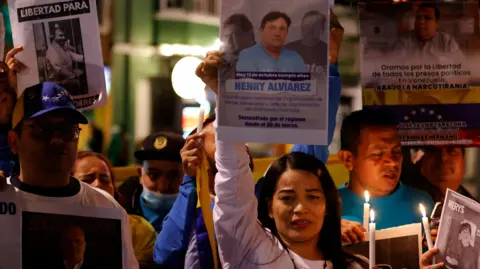
The Venezuelan government's decision to release prisoners is a significant development in the country's ongoing political saga. For years, the government has faced intense scrutiny over its human rights record, with numerous reports of arbitrary detentions, torture, and mistreatment of political opponents. According to recent data, there are currently over 300 political prisoners being held in Venezuela, many of whom have been detained without trial or due process.
The release of these prisoners is seen as a crucial step towards easing tensions between the government and the opposition. In recent years, the opposition has been vocal in its demands for the government to release all political prisoners and respect human rights. The government's decision to concede to these demands is likely an attempt to improve its relationships with the international community, which has imposed significant sanctions on the country. Some of the key sanctions imposed on Venezuela include:
- US sanctions on the Venezuelan oil industry, which have severely impacted the country's economy
- EU sanctions on high-ranking government officials, which have limited their ability to travel and conduct business abroad
- International isolation, with many countries refusing to recognize the legitimacy of the Maduro government
Experts believe that the release of prisoners could pave the way for further negotiations and potential reforms. However, they also caution that much work remains to be done to address the country's deep-seated political and economic challenges. For example, the country's economy has contracted by over 60% in recent years, and the inflation rate has soared to over 10,000%. To move forward, the government will need to implement significant reforms, including:
- Improving the business environment and encouraging foreign investment
- Addressing the country's chronic shortages of food and medicine
- Respecting human rights and the rule of law
For readers looking to stay up-to-date on the situation in Venezuela, there are several steps you can take. Firstly, follow reputable news sources, such as the BBC or Al Jazeera, which provide regular updates on the country's political and economic situation. Secondly, consider supporting organizations that work to promote human rights and democracy in Venezuela, such as the Venezuelan Observatory of Human Rights. Finally, stay informed about the impact of sanctions on the country and its people, and consider advocating for policies that support the Venezuelan people and promote a peaceful resolution to the crisis. By taking these steps, you can help to promote a better understanding of the situation in Venezuela and support efforts to bring about positive change.
Key Players and Reactions
The recent release of prisoners by the Venezuelan government has been met with a mix of reactions from various stakeholders. The Venezuelan opposition has cautiously welcomed the move, but remains skeptical about the government's true intentions. They have called for further concessions, including the release of all remaining political prisoners and the implementation of meaningful reforms to address the country's ongoing humanitarian crisis.
International organizations have praised the government's decision, with the United Nations and the European Union viewing it as a positive step towards improving the human rights situation in the country. These organizations have:
- Urged the government to release all remaining political prisoners, estimated to be over 300 individuals
- Called for an end to the persecution of opposition leaders and human rights activists
- Emphasized the need for a comprehensive and inclusive dialogue to address the country's political and economic challenges
According to recent data, the number of political prisoners in Venezuela has increased significantly over the past year, with many detainees facing harsh conditions and limited access to medical care.
Human rights groups have emphasized the importance of continued vigilance and pressure on the government to ensure the rights and safety of all citizens. They have highlighted the need for:
- Regular monitoring of the situation of released prisoners to ensure their safety and well-being
- Support for human rights defenders and opposition leaders who continue to face persecution and intimidation
- International cooperation to address the root causes of the humanitarian crisis, including corruption, mismanagement, and economic instability
For readers who want to stay informed about the situation in Venezuela, it is essential to follow reputable news sources and human rights organizations, such as the Venezuelan Observatory of Human Rights and the International Crisis Group. Additionally, supporting organizations that provide humanitarian aid and advocacy for human rights in Venezuela can help make a tangible difference in the lives of those affected by the crisis. By staying informed and taking action, individuals can contribute to promoting positive change and ensuring that the rights and dignity of all Venezuelans are respected and protected.
Implications and Next Steps
The release of prisoners in Venezuela marks a significant step towards easing tensions between the government and opposition. This move could potentially lead to renewed dialogue, fostering an environment conducive to electoral reforms and other democratic initiatives. According to recent reports, over 200 prisoners have been released, including high-profile opposition figures, since the beginning of 2022. This development has been welcomed by the international community, which views it as a positive step towards reconciliation and stability in the country.
However, despite this progress, numerous challenges persist. The country's severe economic crisis remains a pressing concern, with widespread poverty and migration affecting millions of Venezuelans. As of 2022, the poverty rate in Venezuela stands at approximately 94%, with over 5 million people having migrated to neighboring countries in search of better living conditions. To address these issues, the government will need to implement comprehensive economic reforms, including measures to stabilize the currency, reduce inflation, and promote private sector growth.
Some key areas that require attention include:
- Electoral reform: Implementing changes to the electoral system to ensure free and fair elections, including the establishment of an independent electoral commission.
- Economic stabilization: Introducing policies to stabilize the economy, such as currency reform, monetary policy adjustments, and fiscal discipline.
- Human rights: Strengthening institutions and mechanisms to protect human rights, including the establishment of an independent judiciary and the promotion of freedom of expression.
Experts recommend that the international community continue to engage with Venezuela, providing support and incentives for further reforms and human rights improvements. This can include:
* Providing economic assistance and investment to support the country's recovery
* Offering technical expertise and capacity-building programs to strengthen institutions
* Encouraging dialogue and negotiation between the government and opposition to resolve outstanding issues
* Promoting transparency and accountability in governance and economic management
Readers can support these efforts by staying informed about developments in Venezuela and advocating for policies that promote human rights, democracy, and economic stability. They can also support organizations working on the ground to provide humanitarian assistance and promote community development. By working together, it is possible to help Venezuela overcome its challenges and build a more stable and prosperous future for its citizens.
Regional and Global Significance
The Venezuelan crisis has far-reaching consequences that extend beyond its borders, affecting the stability and security of the entire region. The country's economic meltdown, characterized by hyperinflation and scarcity of basic goods, has triggered a massive migration of Venezuelans to neighboring countries. According to the United Nations, over 4.6 million Venezuelans have fled the country since 2015, with many settling in Colombia, Peru, and Ecuador. This exodus has put a significant strain on the resources and infrastructure of these countries, highlighting the need for a coordinated regional response to address the crisis.
The recent release of prisoners in Venezuela may have a ripple effect on the region, influencing the stance of other countries towards the Venezuelan government. For instance:
- Colombia, which has been a vocal critic of the Venezuelan government, may reassess its relations with Venezuela in light of these developments.
- Brazil, which has provided humanitarian aid to Venezuelan migrants, may also adjust its approach to the crisis.
- Other countries in the region, such as Chile and Argentina, may follow suit, leading to a shift in the regional dynamics.
As the situation continues to evolve, it is essential for readers to stay informed about the latest developments and their potential implications for the region.
Global powers are also closely monitoring the situation in Venezuela, with significant implications for their foreign policy and economic interests. The United States, for example, has imposed economic sanctions on Venezuela, while China has provided significant financial support to the Venezuelan government. According to recent data, China has invested over $50 billion in Venezuela since 2007, making it one of the country's largest creditors. As the crisis deepens, global powers will need to navigate the complex geopolitical landscape, balancing their interests with the need to address the humanitarian crisis. To stay ahead of the curve, readers can:
- Follow reputable news sources for updates on the crisis and its regional and global implications.
- Monitor the responses of global powers, including the United States, China, and the European Union.
- Support organizations providing humanitarian aid to Venezuelan migrants and refugees.
By taking a proactive and informed approach, readers can better understand the complex dynamics at play and make a positive impact on the lives of those affected by the crisis.
In conclusion, the situation in Venezuela has significant implications for the wider region and the world. As the crisis continues to unfold, it is essential to stay informed, support those affected, and promote a coordinated and effective response to address the humanitarian, economic, and security challenges posed by the crisis. By working together, we can mitigate the negative impacts of the crisis and promote a more stable and prosperous future for the region.
Frequently Asked Questions (FAQ)
What prompted the Venezuelan government to release political prisoners?
How many political prisoners remain in detention in Venezuela?
The situation of political prisoners in Venezuela is a pressing concern that has garnered significant attention from human rights organizations and the international community. As of 2022, it is estimated that over 300 individuals remain detained for their political beliefs or activities. These prisoners face harsh conditions, including inadequate access to food, water, and medical care, which has led to numerous reports of ill-treatment and human rights abuses.
The release of these prisoners is a complex issue that requires sustained pressure and negotiation. Human rights groups have been working tirelessly to raise awareness about the plight of these individuals and to advocate for their freedom. The international community also plays a crucial role in this process, with many countries and organizations calling for the Venezuelan government to release all political prisoners and respect human rights. Recent data suggests that the number of political prisoners has decreased slightly in recent years, but much work remains to be done to ensure the release of all those detained.
Some key facts about the situation of political prisoners in Venezuela include:
- According to a report by the Venezuelan Observatory of Prisons, the majority of political prisoners are being held in facilities that are not designed for long-term detention, leading to overcrowding and poor living conditions.
- A study by the human rights organization, Foro Penal, found that over 70% of political prisoners have been subjected to some form of torture or ill-treatment.
- The Venezuelan government has been criticized for its use of arbitrary detention and lack of due process, with many prisoners being held without trial or access to legal representation.
To support the release of political prisoners in Venezuela, readers can take several steps:
- Stay informed about the situation and raise awareness among friends and family about the importance of respecting human rights.
- Support organizations that are working to advocate for the release of political prisoners, such as human rights groups and non-governmental organizations.
- Contact your local representatives and express your concern about the situation of political prisoners in Venezuela, urging them to take action to support their release.
It is essential for the international community to continue to apply pressure on the Venezuelan government to release all political prisoners and respect human rights. By working together and advocating for the freedom of these individuals, we can help to bring an end to this humanitarian crisis and promote a more just and equitable society. As the situation continues to evolve, it is crucial to remain vigilant and committed to supporting the release of all those who are unjustly detained.
What are the potential implications of the prisoner release for Venezuela's economy and politics?


