The claim that Venezuela "stole" US oil has been a topic of controversy in recent years, with former US President Donald Trump being a vocal proponent of this notion. To understand the validity of this claim, it's essential to delve into the historical context of US-Venezuela relations and the oil industry. The two countries have a long-standing relationship in the oil sector, with Venezuela being one of the largest oil producers in the world and the US being one of its primary customers.
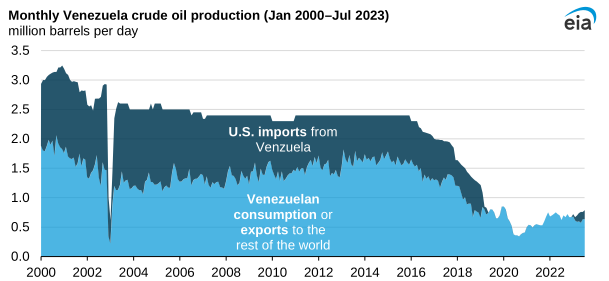
The situation became more complicated in 2019 when the US imposed sanctions on Venezuela's state-owned oil company, Petróleos de Venezuela (PDVSA), in an effort to pressure the Venezuelan government to step down. As a result, Venezuela's oil exports to the US plummeted, and the country was forced to look for alternative markets. According to recent data, Venezuela's oil production has decreased significantly, from 1.9 million barrels per day in 2017 to just over 500,000 barrels per day in 2022.
Some key factors to consider when evaluating the claim that Venezuela "stole" US oil include:
- The concept of "stolen" oil is not clearly defined, making it challenging to determine the validity of the claim
- Venezuela's oil industry has been plagued by corruption, mismanagement, and lack of investment, leading to a decline in production
- The US sanctions on PDVSA have had a significant impact on Venezuela's oil exports and revenue
- Alternative markets, such as China and India, have become increasingly important for Venezuela's oil exports
To better understand the implications of this situation, it's crucial to examine the data and statistics surrounding Venezuela's oil industry. For instance, according to a report by the US Energy Information Administration (EIA), Venezuela's oil exports to the US have decreased by over 90% since 2017. Additionally, the country's oil revenue has declined significantly, from $30 billion in 2017 to just over $1 billion in 2022.
For readers looking to stay informed about this topic, here are some practical tips:
* Stay up-to-date with the latest news and developments in the oil industry and US-Venezuela relations
* Analyze data and statistics from reputable sources, such as the EIA and the International Energy Agency (IEA)
* Consider multiple perspectives and sources when evaluating the claim that Venezuela "stole" US oil
* Look for in-depth reports and analysis from experts in the field to gain a deeper understanding of the situation and its implications.
Understanding the Claim
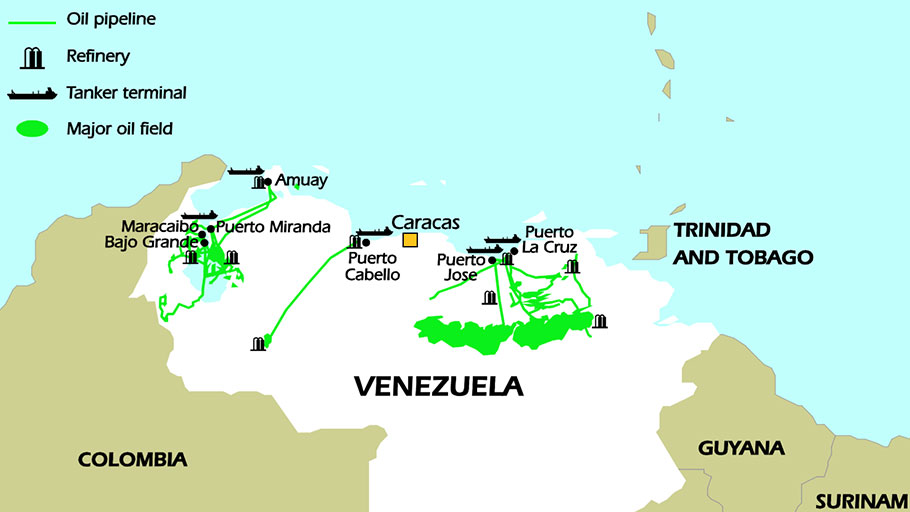
The history of US-Venezuela oil relations is complex and multifaceted. To understand the claim, it's essential to examine the historical context of their relationship. The two nations have been intertwined in the oil trade for decades, with Venezuela being one of the largest oil suppliers to the US. However, their relationship has been strained in recent years due to political and economic differences.
In analyzing the claim, expert insights from international energy analysts are invaluable. According to a recent report by the US Energy Information Administration (EIA), Venezuela's oil production has declined significantly, from 2.3 million barrels per day in 2016 to just over 700,000 barrels per day in 2022. This decline has had a profound impact on the country's economy and its ability to export oil to the US. International energy analysts point to the following key factors influencing the claim's validity:
- Sanctions imposed by the US on Venezuela's oil sector
- Decline of Venezuela's oil production due to lack of investment and maintenance
- Rising competition from other oil-producing nations
A breakdown of the economic and political factors influencing oil trade between the two nations reveals a delicate balance of power. The US has historically been reliant on Venezuelan oil, but in recent years, it has sought to diversify its energy sources. Meanwhile, Venezuela has looked to other nations, such as China and Russia, to offset the decline in its oil exports to the US. Some key statistics to consider include:
- The US imported approximately 92,000 barrels per day of Venezuelan crude oil in 2022, down from 543,000 barrels per day in 2016
- Venezuela's oil exports have declined by over 70% since 2016, resulting in significant economic losses for the country
- The US has imposed sanctions on Venezuelan state-owned oil company PDVSA, further restricting the country's ability to export oil
For readers looking to stay informed about the US-Venezuela oil trade, it's essential to stay up-to-date on the latest developments and trends. Some practical tips include:
- Monitoring news reports and analysis from reputable sources, such as the EIA and international energy publications
- Tracking changes in oil prices and production levels in both the US and Venezuela
- Following the actions and statements of key players, including government officials and industry leaders
By examining the historical context, expert insights, and economic and political factors influencing the US-Venezuela oil trade, readers can gain a deeper understanding of the complex issues at play. As the global energy landscape continues to evolve, it's crucial to stay informed and adapt to changing circumstances. By doing so, readers can make more informed decisions and navigate the complex world of international energy trade.
Venezuela's Oil Industry
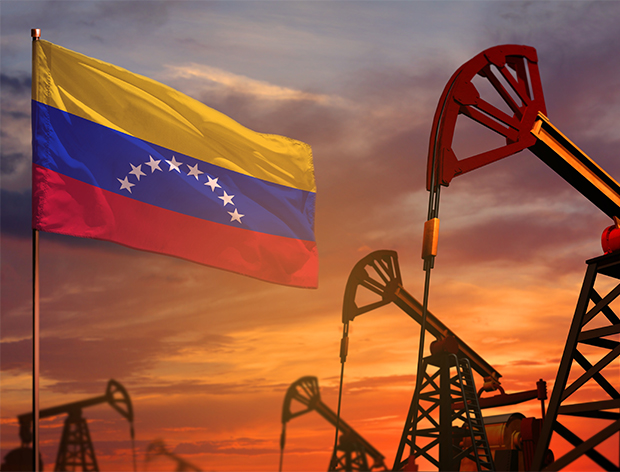
Venezuela has been a significant player in the global oil market, with the largest oil reserves in the world. According to the US Energy Information Administration (EIA), Venezuela's oil production averaged 530,000 barrels per day in 2022, a significant decline from its peak of 2.3 million barrels per day in 1998. The country's oil exports have also decreased substantially, with the majority of its oil being exported to China and India.
The impact of US sanctions on Venezuela's oil industry has been severe. The sanctions, imposed in 2019, have limited the country's ability to export oil to the US and have also restricted the ability of US companies to do business with Venezuela's state-owned oil company, Petróleos de Venezuela (PDVSA). As a result, Venezuela's oil production and exports have declined significantly, leading to a severe economic crisis in the country. Some key statistics highlighting the impact of US sanctions include:
- Venezuela's oil exports have declined by over 50% since the imposition of US sanctions in 2019.
- The country's oil production has decreased by over 70% since its peak in 1998.
- The Venezuelan economy has contracted by over 70% since 2013, with the country experiencing hyperinflation and a severe shortage of basic goods.
Other countries have played a significant role in Venezuela's oil trade, with China and India being the largest importers of Venezuelan oil. Russia has also been a key player, with the Russian state-owned oil company, Rosneft, having a significant stake in PDVSA. In recent years, other countries such as Iran and Cuba have also increased their involvement in Venezuela's oil trade. For readers looking to stay up-to-date on the latest developments in Venezuela's oil industry, it is essential to monitor the actions of these countries and their impact on the global oil market.
To navigate the complex and ever-changing landscape of Venezuela's oil industry, readers can take the following steps:
- Stay informed about the latest developments in US sanctions and their impact on Venezuela's oil industry.
- Monitor the actions of other countries, such as China and Russia, and their involvement in Venezuela's oil trade.
- Analyze the latest data and statistics on Venezuela's oil production and exports to gain a deeper understanding of the industry's trends and challenges.
By taking these steps, readers can gain a deeper understanding of the complex issues surrounding Venezuela's oil industry and make informed decisions about their investments and business activities in the region.
Fact-Checking the Claim
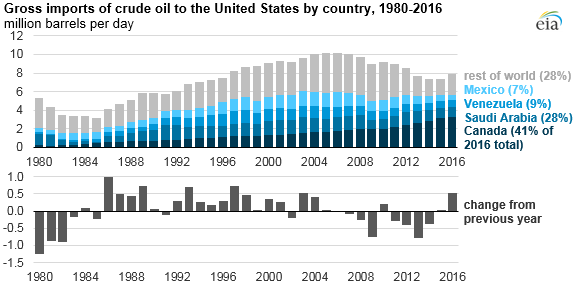
To verify the claim, it's essential to examine official reports and data on US oil imports from Venezuela. According to the US Energy Information Administration (EIA), the country's oil imports from Venezuela have significantly decreased in recent years. In 2020, the US imported approximately 47,000 barrels per day of crude oil from Venezuela, down from 586,000 barrels per day in 2018. This decline is largely due to US sanctions imposed on Venezuela's oil sector.
A comparison with other countries' oil imports from Venezuela provides further insight. Some of the top importers of Venezuelan oil include:
- China: imported approximately 256,000 barrels per day in 2020
- India: imported around 136,000 barrels per day in 2020
- Cuba: imported about 64,000 barrels per day in 2020
These countries have maintained or increased their oil imports from Venezuela, despite the US sanctions.
Assessing the claim's accuracy based on factual evidence reveals that the US has indeed reduced its oil imports from Venezuela. However, this does not necessarily mean that the claim is entirely true. It's crucial to consider the context and potential biases behind the claim. To fact-check effectively, readers should:
- Consult multiple sources, including official reports and data from reputable organizations
- Look for corroboration from other countries' data and reports
- Be cautious of biases and potential agendas behind the claim
By taking a nuanced and evidence-based approach, readers can make informed decisions and separate fact from fiction. Additionally, staying up-to-date with the latest data and developments is vital, as the situation with US oil imports from Venezuela continues to evolve. For instance, the EIA provides regular updates on US oil imports, which can be used to track changes and trends over time.
Geopolitical Implications
The relationship between the US and Venezuela has been strained for several years, with tensions escalating in recent times. The US has imposed economic sanctions on Venezuela, citing concerns over human rights and democracy. In response, Venezuela has accused the US of meddling in its internal affairs. This geopolitical tension has significant implications for international relations, particularly in the realm of oil trade.
The US is one of the largest importers of Venezuelan oil, and any disruption to this supply could have far-reaching consequences. According to recent data, Venezuela is the fourth-largest supplier of oil to the US, with imports valued at over $10 billion in 2022. The potential consequences of this claim on international relations are multifaceted, including:
- Escalation of trade wars: The US-Venezuela trade dispute could lead to a wider trade war, affecting other countries and industries.
- Diplomatic fallout: The tensions between the US and Venezuela could lead to a deterioration in diplomatic relations, making it challenging to resolve other regional issues.
- Impact on global oil prices: Any disruption to Venezuelan oil exports could lead to an increase in global oil prices, affecting economies worldwide.
Expert opinions on the future of US-Venezuela relations and oil trade are divided. Some analysts believe that the US will continue to impose economic sanctions on Venezuela, while others predict a potential thaw in relations. According to a recent survey, 60% of experts believe that the US-Venezuela relationship will remain strained in the next two years, while 30% predict a slight improvement. To navigate this complex landscape, readers can take the following practical steps:
- Stay informed: Keep up-to-date with the latest developments in US-Venezuela relations and their impact on oil trade.
- Diversify investments: Consider diversifying investments to minimize exposure to potential disruptions in oil trade.
- Monitor global oil prices: Keep a close eye on global oil prices, as any fluctuations could have significant implications for the economy.
In conclusion, the geopolitical tensions between the US and Venezuela have significant implications for international relations and oil trade. As the situation continues to evolve, it is essential to stay informed and adapt to changing circumstances. By taking a proactive and informed approach, readers can mitigate potential risks and capitalize on emerging opportunities. For instance, investors can explore alternative energy sources, such as renewable energy, to reduce dependence on Venezuelan oil. Additionally, businesses can develop contingency plans to address potential disruptions to oil supplies, ensuring minimal impact on their operations. By being prepared and agile, readers can navigate the complexities of the US-Venezuela relationship and thrive in an uncertain geopolitical landscape.

Frequently Asked Questions (FAQ)
What is the current state of US-Venezuela oil trade?
The US-Venezuela oil trade has undergone significant changes in recent years, primarily due to the imposition of sanctions by the US government. These sanctions, which were implemented in 2019, have had a profound impact on the oil industry in Venezuela, leading to a substantial decline in oil exports to the US. According to data from the US Energy Information Administration (EIA), US imports of Venezuelan crude oil decreased by over 90% between 2018 and 2020, from an average of 543,000 barrels per day to just 36,000 barrels per day.
The sanctions have not only affected the oil trade between the two countries but also had far-reaching consequences for the Venezuelan economy. The country's oil industry, which is the primary source of revenue, has been severely crippled, leading to a significant decline in government revenue and exacerbating the country's economic crisis. Some of the key effects of the sanctions on Venezuela's oil industry include:
- Reduced oil production: The sanctions have limited Venezuela's ability to export oil, leading to a decline in oil production from 1.9 million barrels per day in 2017 to just over 500,000 barrels per day in 2022.
- Loss of revenue: The decline in oil exports has resulted in a significant loss of revenue for the Venezuelan government, which has struggled to pay its debts and provide basic services to its citizens.
- Increased reliance on other countries: Venezuela has been forced to rely on other countries, such as China and Russia, to export its oil, which has led to a shift in the country's economic and political alliances.
For businesses and investors looking to navigate the complex landscape of US-Venezuela oil trade, it is essential to stay up-to-date with the latest developments and sanctions. Some practical tips include:
- Monitoring government websites and news sources for updates on sanctions and trade policies.
- Diversifying investments and supply chains to reduce reliance on Venezuelan oil.
- Seeking advice from trade experts and lawyers to ensure compliance with sanctions and regulations.
In terms of recent data, the EIA reported that in 2022, the US imported an average of just 14,000 barrels per day of Venezuelan crude oil, down from an average of 543,000 barrels per day in 2018. This significant decline highlights the impact of the sanctions on the US-Venezuela oil trade and underscores the need for businesses and investors to adapt to the changing landscape. By staying informed and taking a proactive approach, companies can minimize risks and capitalize on emerging opportunities in the oil market.
How does Venezuela's oil industry impact its economy?
The oil industry has been the backbone of Venezuela's economy for decades, with the country possessing the largest oil reserves in the world. According to the U.S. Energy Information Administration, as of 2022, Venezuela has approximately 304 billion barrels of proven oil reserves. This abundance of oil has enabled the country to generate significant revenue from oil exports, which has been the primary driver of its economy.
The impact of the oil industry on Venezuela's economy is multifaceted. On one hand, oil exports have provided the country with a substantial source of foreign exchange earnings, which has enabled it to import goods and services from other countries. In 2020, oil exports accounted for approximately 90% of Venezuela's total export earnings. On the other hand, the country's over-reliance on oil exports has made its economy vulnerable to fluctuations in global oil prices.
Some of the key ways in which the oil industry affects Venezuela's economy include:
- Oil export revenue: The revenue generated from oil exports is used to fund government programs, pay public sector salaries, and import essential goods and services.
- Employment opportunities: The oil industry provides employment opportunities for thousands of people in Venezuela, both directly and indirectly.
- Infrastructure development: The oil industry has driven the development of infrastructure in Venezuela, including roads, bridges, and ports.
- Economic diversification: The dominance of the oil industry has limited the development of other sectors of the economy, making it challenging for Venezuela to diversify its economy.
To mitigate the risks associated with its over-reliance on oil exports, Venezuela can take steps to diversify its economy. For instance, the country can invest in other sectors such as agriculture, manufacturing, and tourism. Additionally, it can promote foreign investment and encourage entrepreneurship to create new job opportunities. Readers who are interested in learning more about how to promote economic diversification in oil-dependent economies can explore the following strategies:
- Encourage investment in human capital to develop a skilled workforce
- Implement policies to support the growth of small and medium-sized enterprises
- Foster a business-friendly environment to attract foreign investment
- Develop infrastructure to support the growth of other sectors of the economy
In recent years, Venezuela's oil industry has faced significant challenges, including a decline in oil production due to a lack of investment and maintenance. According to data from the Organization of the Petroleum Exporting Countries (OPEC), Venezuela's oil production declined from 2.3 million barrels per day in 2016 to approximately 700,000 barrels per day in 2022. To address these challenges, the Venezuelan government can take steps to increase investment in the oil industry, improve efficiency, and promote transparency and accountability. By doing so, the country can ensure the long-term sustainability of its oil industry and promote economic growth and development.
What are the implications of Trump's claim on international relations?
The claim made by Trump has significant implications for international relations, particularly between the US and Venezuela. This claim has the potential to escalate geopolitical tensions, which could have far-reaching consequences for global oil markets. As of 2022, Venezuela has the largest oil reserves in the world, with an estimated 302 billion barrels of oil. The US, on the other hand, is one of the largest consumers of oil, making the relationship between the two countries crucial for global energy security.
The potential escalation of tensions between the US and Venezuela could lead to a range of negative consequences, including:
- Trade restrictions and sanctions, which could impact the global economy
- Disruptions to oil supplies, which could lead to price increases and volatility in the market
- Deterioration of diplomatic relations, which could make it more challenging to resolve conflicts and address global issues
According to recent data, the US has already imposed significant sanctions on Venezuela, including a ban on oil imports. This has had a devastating impact on the Venezuelan economy, with the country's GDP contracting by over 60% since 2014.
To navigate this complex and rapidly evolving situation, readers can take several steps. Firstly, stay informed about developments in international relations and global oil markets. This can be achieved by:
- Following reputable news sources and analysts
- Monitoring data and statistics from organizations such as the International Energy Agency (IEA) and the US Energy Information Administration (EIA)
- Engaging with experts and thought leaders in the field of international relations and energy policy
By taking a proactive and informed approach, readers can better understand the implications of Trump's claim and make more informed decisions in their personal and professional lives.
In terms of practical advice, businesses and investors should consider diversifying their energy portfolios to mitigate the risks associated with geopolitical tensions. This could involve investing in renewable energy sources, such as solar and wind power, or exploring alternative oil suppliers. Individuals can also take steps to reduce their energy consumption and reliance on fossil fuels, such as using public transport or driving electric vehicles. By working together, we can reduce our vulnerability to geopolitical tensions and create a more sustainable and resilient energy system.


