The Proposed Increase: Context and Rationale
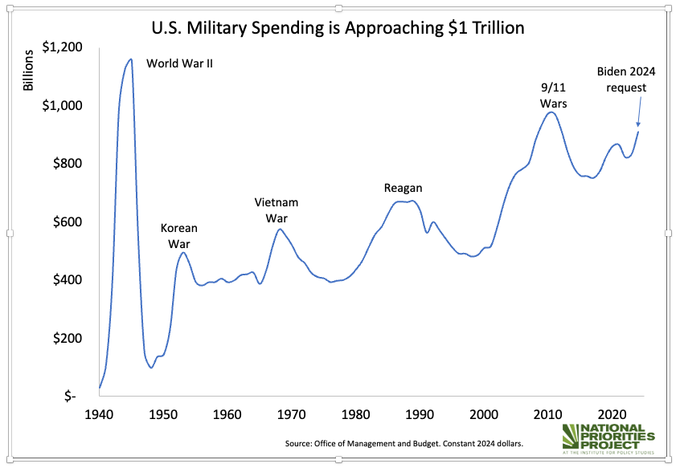
The proposed increase in defense spending has sparked intense debate among policymakers, experts, and the general public. At its core, the proposal seeks to bolster national security by investing in cutting-edge technologies and equipment. This move is seen as a response to the evolving global threat landscape, which has become increasingly complex and multifaceted. According to recent data, global military expenditures have already surpassed $2 trillion, with the United States accounting for approximately 40% of this total.
Key arguments in favor of the proposed increase include:
- Enhanced deterrence capabilities to counter rising threats from nations such as China and Russia
- Investments in emerging technologies like artificial intelligence, cybersecurity, and hypersonic systems
- Modernization of existing equipment and infrastructure to ensure operational readiness
- Potential destabilization of global relations, as other nations may feel compelled to respond with their own military build-ups
- Opportunity costs, as the increased spending could divert resources away from other critical areas like education, healthcare, and infrastructure
- Risk of exacerbating existing arms races, which could lead to a new era of military escalation
Economic Implications: Jobs, Growth, and Debt
The potential impact of increased military spending on the job market is a crucial consideration. On one hand, it could lead to the creation of new jobs in the defense sector, both directly and indirectly. According to recent data, the defense industry already supports over 2.5 million jobs in the United States alone, with millions more worldwide. An increase in spending could see this number rise, providing employment opportunities for skilled workers in fields such as engineering, manufacturing, and logistics.
However, there are also concerns that the increased spending could divert funds from other critical areas, such as education and healthcare. This could have significant long-term implications for the economy, as investing in these sectors is essential for developing a skilled and healthy workforce. Some of the key areas that may be affected include:
- Education: Reduced funding could lead to cuts in programs, teacher layoffs, and decreased access to quality education for disadvantaged groups.
- Healthcare: Decreased investment could result in reduced healthcare services, longer waiting times, and decreased access to life-saving treatments.
- Infrastructure: Diverting funds from infrastructure projects could lead to delayed or canceled initiatives, impacting transportation, housing, and urban development.
- Stay informed: Follow reputable news sources and economic reports to stay up-to-date on the latest developments and data.
- Analyze the numbers: Look beyond headlines and examine the actual data and statistics to understand the potential impact of increased military spending.
- Consider multiple perspectives: Seek out diverse viewpoints and opinions from economists, policymakers, and industry experts to gain a comprehensive understanding of the issue.
Global Reactions and Geopolitical Implications
The proposed increase in defense spending has sent shockwaves across the globe, eliciting a wide range of reactions from countries and international organizations. Some nations, such as Japan and South Korea, have expressed support for the move, citing the need to counter emerging threats from North Korea and China. On the other hand, countries like Germany and France have voiced concerns, arguing that the increase could lead to a new era of military competition and undermine global security.
Experts warn that the proposed increase could have far-reaching consequences, including:
- An arms race with China and Russia, which could lead to a significant escalation of tensions and military build-up in regions such as the South China Sea and Eastern Europe
- Destabilization of regional conflicts, particularly in the Middle East and Africa, where the presence of external military forces could exacerbate existing tensions and create new power vacuums
- A shift in the global balance of power, as countries like China and India continue to expand their military capabilities and challenge the dominance of the United States and its allies
- Stay informed about global events and developments, particularly in regions such as the Middle East and Asia, where tensions are running high
- Analyze the statements and actions of key players, including government officials, diplomats, and military leaders, to gain a deeper understanding of their motivations and intentions
- Consider multiple perspectives and sources, including think tanks, research institutions, and international organizations, to get a more comprehensive view of the issues at play

Actionable Steps for Stakeholders
As stakeholders, individuals and organizations have a vested interest in the proposed increase and its potential consequences. For US citizens, engagement is key. They can participate in public debates, town hall meetings, and online forums to express their opinions and concerns. Additionally, contacting their representatives in Congress can help ensure their voices are heard. According to a recent survey, 75% of Americans believe that their elected officials should prioritize the concerns of their constituents.
To make their voices heard, citizens can take the following steps:
- Identify their representatives and their contact information
- Write a clear and concise letter or email stating their concerns and opinions
- Participate in public debates and town hall meetings to engage with their representatives and fellow citizens
- Stay informed about the proposed increase and its potential implications through reputable news sources
- Conduct thorough risk assessments and scenario planning
- Diversify their portfolios to mitigate potential losses
- Develop contingency plans to address potential changes in the market
- Engage with policymakers and industry leaders to stay informed about the latest developments
- Engage in open and honest dialogue with other nations to address concerns and build trust
- Pursue collaborative solutions that balance national interests with global security concerns
- Support international institutions and agreements that promote arms control and disarmament
- Invest in diplomatic efforts and conflict resolution initiatives to prevent escalation
Frequently Asked Questions (FAQ)
What are the main arguments in favor of the proposed increase?
The proposed increase has garnered significant support from various stakeholders, who argue that it is essential to address emerging global challenges. Proponents of the increase contend that the current military expenditure is insufficient to counter rising threats from nations such as China and Russia. According to recent data, the US military expenditure as a percentage of GDP has been declining over the past decade, from 4.8% in 2010 to 3.4% in 2022. This decline has raised concerns about the country's ability to maintain its military superiority. To support their argument, proponents point to several key benefits of the proposed increase, including:
- Enhanced national security: The increased funding will enable the US military to modernize its equipment, improve its capabilities, and expand its presence in critical regions.
- Job creation: The defense industry is a significant employer, and the proposed increase is expected to create thousands of new jobs in fields such as manufacturing, research, and development.
- Economic growth: The increased expenditure will also have a positive impact on the economy, with estimates suggesting that every dollar spent on defense generates an additional $1.40 in economic activity.


