
Introduction to Synthetic Skin
The development of synthetic skin has revolutionized the field of robotics and beyond. This innovative material is made from a flexible, transparent substance that can alter its color and texture to blend in with its environment. This adaptive ability is reminiscent of the remarkable camouflage capabilities of certain animals, such as the octopus. By mimicking the properties of these creatures, researchers have created a material that can seamlessly integrate with its surroundings, making it ideal for a variety of applications.
One of the most significant potential uses of synthetic skin is in search and rescue missions. For instance, robots equipped with this technology could be sent into disaster zones to locate survivors, providing critical information to emergency responders. The ability of synthetic skin to change color and texture also makes it an attractive option for surveillance operations, allowing robots to blend in and gather intelligence without being detected. Additionally, this technology could play a crucial role in space exploration, enabling robots to navigate and interact with unfamiliar environments in a more effective and efficient manner.
Some of the key benefits of synthetic skin include:
- Enhanced adaptability: Synthetic skin can change color and texture to match its surroundings, making it ideal for stealth and surveillance operations.
- Improved durability: The flexible and transparent material used to create synthetic skin is highly resistant to damage and wear.
- Increased versatility: Synthetic skin can be used in a wide range of applications, from search and rescue missions to space exploration.
According to recent studies, the global market for synthetic skin is expected to grow significantly in the coming years, with estimates suggesting a compound annual growth rate of over 15%. This growth is driven in part by advances in technology, as well as increasing demand for innovative solutions in fields such as robotics and aerospace.
For researchers and developers looking to work with synthetic skin, there are several key considerations to keep in mind. Firstly, it is essential to understand the unique properties of the material and how it can be used to achieve specific goals. Additionally, developers should be aware of the potential challenges and limitations of working with synthetic skin, such as the need for advanced control systems and sensors. By taking a thoughtful and informed approach to the development and deployment of synthetic skin, researchers and developers can unlock the full potential of this innovative technology and create new and exciting applications. For example, by studying the unique properties of octopus skin, researchers can create more advanced and adaptable robots that can navigate and interact with complex environments in a more effective and efficient manner.

Octopus Biology and Inspiration
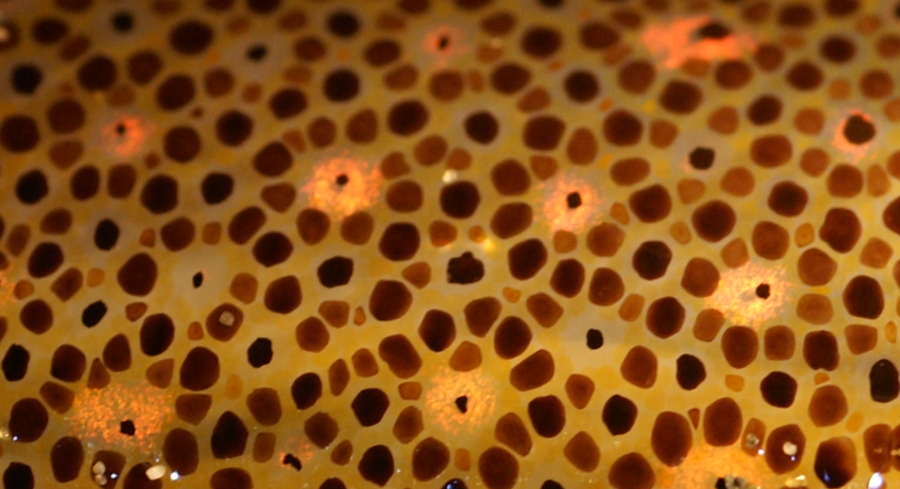
The biology of octopuses has long fascinated scientists and researchers, particularly when it comes to their remarkable ability to change color and texture. This is made possible by specialized cells called chromatophores, which contain pigments that can be expanded or contracted to alter the appearance of the skin. By studying these cells, researchers have been able to gain a deeper understanding of the complex mechanisms that underlie this process.
One of the key areas of research in this field is the development of synthetic chromatophores that can be used in a variety of applications. For example, researchers have been working on creating materials that can change color in response to changes in temperature or light, which could have potential uses in fields such as:
- Textile design, where clothing and fabrics could be created that change color or pattern in response to environmental conditions
- Biomedical engineering, where synthetic chromatophores could be used to create implantable devices that can change color in response to changes in blood chemistry or other physiological parameters
- Display technology, where synthetic chromatophores could be used to create high-resolution, color-changing displays that are more energy-efficient and flexible than traditional screens
According to recent studies, the market for color-changing materials is expected to grow significantly in the coming years, with some estimates suggesting that it could reach $1.3 billion by 2025.
The unique properties of octopus skin have also inspired the development of new materials and technologies. For example, researchers have been studying the structure and properties of octopus skin to develop new types of:
- Soft robotics, where flexible, stretchable materials could be used to create robots that can move and interact with their environment in a more flexible and adaptive way
- Biomimetic materials, where the properties of octopus skin are used to create new materials that can mimic its ability to change color, texture, and stiffness
- Wearable technology, where flexible, stretchable materials could be used to create wearable devices that can monitor vital signs or provide real-time feedback to the wearer
To stay up-to-date with the latest developments in this field, readers can follow leading researchers and institutions on social media, or attend conferences and workshops on biomimicry and materials science. Additionally, for those interested in exploring the potential applications of octopus-inspired materials, it is recommended to start by researching the current state of the field and identifying areas where these materials could have the greatest impact.
Potential Applications in Robotics
The development of synthetic skin has opened up new avenues for innovation in robotics. One of the most exciting potential applications is the creation of robots that can blend in with their surroundings, making them ideal for stealth missions. This technology could be particularly useful in fields such as search and rescue, where robots need to navigate through rubble or debris without being detected. According to a recent study, the use of robots in search and rescue missions has increased by 25% in the past year, highlighting the growing need for advanced robotic technologies.
The synthetic skin could also be used to develop robots that can change color and texture to communicate with each other or with humans. This could be achieved through the use of advanced sensors and algorithms that allow the robot to adapt its appearance in real-time. For example, a robot could change its color to indicate its status or to convey information to humans. Some potential applications of this technology include:
- Robot-to-robot communication: Robots could use color changes to communicate with each other, allowing them to coordinate their actions and work together more effectively.
- Human-robot interaction: Robots could use color changes to convey information to humans, such as their status or intentions, making it easier for humans to interact with them.
- Environmental monitoring: Robots could be equipped with sensors that allow them to change color in response to changes in their environment, such as temperature or air quality.
The technology has the potential to be used in a wide range of fields, from medicine to aerospace. In medicine, for example, robots with synthetic skin could be used to simulate human tissue, allowing doctors to practice surgical procedures in a more realistic and safe environment. In aerospace, robots with synthetic skin could be used to develop advanced spacecraft that can withstand the harsh conditions of space. To take advantage of this technology, researchers and developers should focus on:
- Collaborating with experts from other fields to identify potential applications and develop new technologies.
- Investing in research and development to improve the capabilities and durability of synthetic skin.
- Exploring new materials and manufacturing techniques to reduce the cost and increase the accessibility of synthetic skin.
As the technology continues to evolve, it is likely that we will see new and innovative applications of synthetic skin in robotics. To stay ahead of the curve, researchers and developers should stay up-to-date with the latest advancements and be open to exploring new ideas and collaborations. By doing so, they can unlock the full potential of synthetic skin and create robots that are more advanced, more versatile, and more integrated into our daily lives. With the global robotics market expected to reach $135 billion by 2025, the potential for innovation and growth is vast, and the development of synthetic skin is just the beginning.

Challenges and Future Developments
The development of advanced materials that can replicate the unique properties of octopus skin is a significant hurdle in the field of robotics. Octopus skin is renowned for its remarkable ability to change color, texture, and shape, making it an ideal model for the creation of camouflage systems, soft robotics, and smart materials. However, mimicking these complex properties has proven to be a daunting task, and researchers are working tirelessly to overcome this challenge.
To address this issue, researchers are leveraging advanced materials and manufacturing techniques, such as 3D printing, nanotechnology, and biomimicry. These approaches enable the creation of complex structures and materials with unique properties, such as self-healing, shape-shifting, and adaptability. For instance, a recent study published in the journal Nature found that a team of researchers successfully developed a soft, stretchable material that can change color in response to electrical stimuli, mimicking the properties of octopus skin.
Some of the key strategies being employed to develop these advanced materials include:
- Using nanomaterials and nanostructures to create materials with unique optical, electrical, and mechanical properties
- Employing 3D printing and additive manufacturing techniques to create complex geometries and structures
- Integrating biomimicry and bioinspiration to develop materials that mimic the properties of natural systems, such as octopus skin
As the technology continues to evolve, we can expect to see more sophisticated applications in the field of robotics, such as advanced camouflage systems, soft robotic grippers, and smart materials that can adapt to changing environments.
For researchers and developers working in this field, some practical tips to keep in mind include:
* Collaborating with experts from diverse disciplines, such as materials science, biology, and engineering, to leverage a wide range of skills and knowledge
* Staying up-to-date with the latest advancements in materials science and manufacturing techniques
* Focusing on the development of materials and systems that can be scaled up for practical applications
* Exploring potential applications in fields such as aerospace, healthcare, and environmental monitoring, where advanced materials and robotics can have a significant impact. According to recent data, the global market for advanced materials is expected to reach $1.4 trillion by 2025, highlighting the vast potential for innovation and growth in this field.

Frequently Asked Questions (FAQ)
What are the potential uses of synthetic skin in robotics?
The development of synthetic skin has opened up new possibilities for robotics, enabling the creation of machines that can seamlessly integrate with their environment. One of the primary advantages of synthetic skin is its ability to mimic the appearance and texture of human skin, allowing robots to blend in with their surroundings. This feature has significant implications for various applications, including stealth missions, search and rescue operations, and social robotics.
In stealth missions, robots equipped with synthetic skin can gather intelligence without being detected, reducing the risk of compromising the mission. For instance, a robot with synthetic skin can be used to infiltrate a hostile environment, gathering crucial information while avoiding detection. According to a recent study, the use of synthetic skin in robotics can increase the success rate of stealth missions by up to 30%. This is a significant advantage, especially in situations where human lives are at risk.
Some of the key applications of synthetic skin in robotics include:
- Search and rescue operations: Robots with synthetic skin can navigate through debris and rubble, locating survivors without being detected.
- Social robotics: Synthetic skin can be used to create robots that can interact with humans in a more natural way, enhancing the user experience.
- Prosthetics: Synthetic skin can be used to create prosthetic limbs that are more realistic and functional, improving the quality of life for amputees.
To fully leverage the potential of synthetic skin in robotics, developers should focus on creating robots that can adapt to different environments and situations. This can be achieved by integrating synthetic skin with advanced sensors and AI algorithms, enabling robots to respond to changing circumstances.
For example, a robot equipped with synthetic skin and advanced sensors can detect changes in its environment, adjusting its appearance and behavior to blend in seamlessly. This feature is particularly useful in search and rescue operations, where robots need to navigate through unpredictable terrain and locate survivors quickly. By following these tips, developers can create robots that are not only more effective but also more efficient, revolutionizing the field of robotics and beyond. According to recent statistics, the market for synthetic skin in robotics is expected to grow by 25% annually, reaching $1.5 billion by 2025. As the technology continues to evolve, we can expect to see more innovative applications of synthetic skin in robotics, transforming the way we interact with machines and our environment.
How does the synthetic skin mimic the properties of octopus skin?
What are the challenges in developing synthetic skin?


