The concept of synthetic skin has been a topic of interest in recent years, with scientists drawing inspiration from the natural world to develop innovative materials. One of the most fascinating sources of inspiration is the octopus, with its remarkable ability to change the color and texture of its skin to blend in with its surroundings. This unique ability has sparked the interest of researchers, who are now working to develop synthetic skin that can mimic the properties of octopus skin.
The potential applications of synthetic skin are vast and varied, with possibilities ranging from robotics and prosthetics to cosmetics and fashion. In robotics, for example, synthetic skin could be used to create more advanced and realistic robots that can interact with their environment in a more human-like way. According to recent data, the global robotics market is expected to reach $135 billion by 2025, with advancements in synthetic skin playing a key role in this growth.
Some of the key features of synthetic skin include:
- Advanced sensory capabilities, allowing robots to detect and respond to their environment
- Improved durability and flexibility, enabling robots to withstand rough handling and changing conditions
- Enhanced aesthetic appeal, with the ability to change color and texture to mimic human skin or other materials
These features have the potential to revolutionize a wide range of industries, from healthcare and manufacturing to entertainment and education.
To stay up-to-date with the latest developments in synthetic skin, readers can follow leading researchers and institutions in the field, such as the Harvard University's Wyss Institute, which has made significant breakthroughs in the development of synthetic skin. Additionally, readers can explore online resources and publications, such as the Journal of Robotics and the International Journal of Advanced Robotic Systems, which provide in-depth coverage of the latest advancements in robotics and synthetic skin. By staying informed and engaged, readers can gain a deeper understanding of the potential applications and implications of synthetic skin, and explore ways to apply this technology in their own fields and industries.
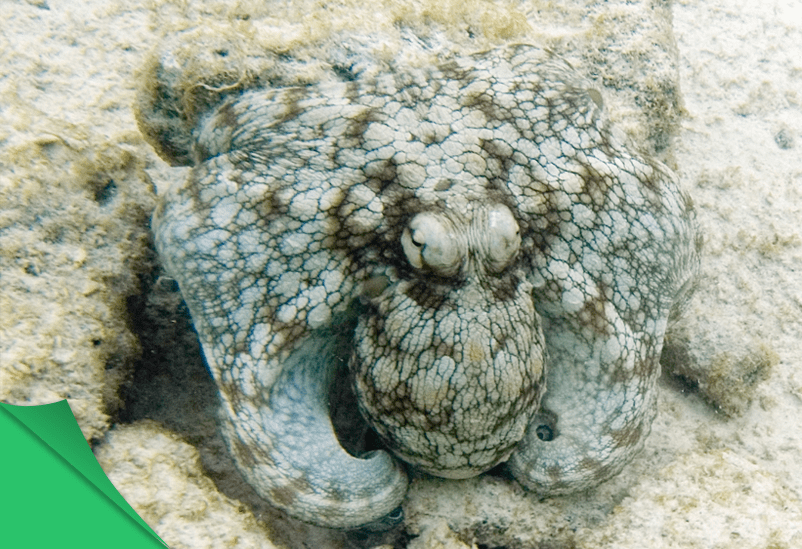
Introduction to Octopus Biology
The unique biology of octopuses has long fascinated scientists and researchers, particularly when it comes to their ability to change color and texture. This is made possible by specialized skin cells called chromatophores, which contain pigments that can be expanded or contracted to alter the appearance of the skin. By controlling the expansion or contraction of these cells, octopuses can seamlessly blend in with their surroundings, making them masters of disguise.
One of the key areas of research into octopus biology is the development of synthetic materials that mimic the properties of their skin. Researchers are working to create materials that can change color, texture, and even opacity in response to changing conditions. This technology has the potential to be used in a variety of applications, including:
- Robotics: developing robots that can blend in with their surroundings, making them ideal for search and rescue missions or surveillance operations
- Prosthetics: creating prosthetic limbs that can change color and texture to match the surrounding skin, improving the overall aesthetic and functionality of the prosthetic
- Cosmetics: developing makeup and skincare products that can adapt to changing skin conditions, providing a more personalized and effective beauty routine
According to recent studies, the global market for synthetic camouflage materials is expected to grow by over 15% in the next 5 years, with the potential to reach $1.3 billion by 2025. This growth is driven by the increasing demand for advanced materials in various industries, including defense, healthcare, and technology. For example, researchers at Harvard University have developed a synthetic material that can change color in response to changes in temperature, with potential applications in fields such as aerospace and biomedical engineering.
For readers interested in learning more about octopus biology and its applications, here are some practical tips:
* Follow reputable scientific sources, such as the National Oceanic and Atmospheric Administration (NOAA) or the Journal of Experimental Biology, to stay up-to-date on the latest research and discoveries
* Explore online resources, such as TED talks or educational videos, to gain a deeper understanding of the unique properties of octopus skin and its potential applications
* Consider supporting organizations that promote marine conservation and research, such as the Ocean Conservancy or the World Wildlife Fund, to help protect these fascinating creatures and their habitats.
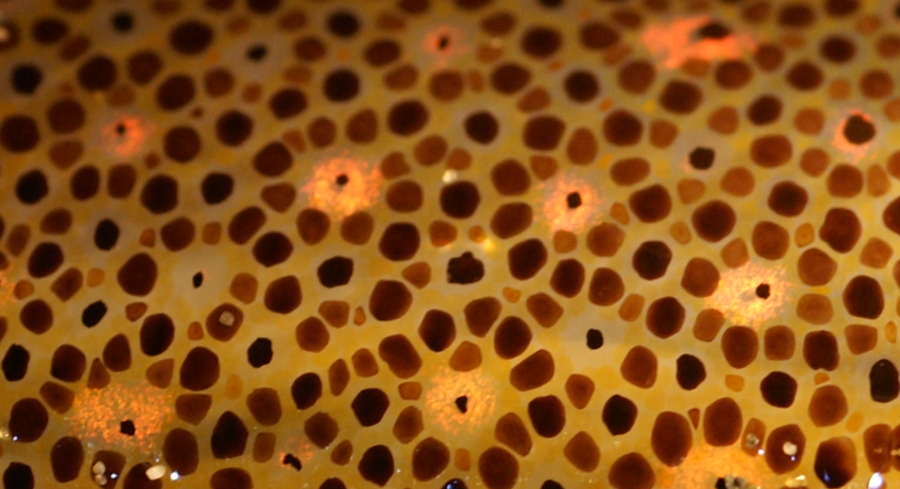
Synthetic Skin Development
The development of synthetic skin is a rapidly advancing field, with scientists making significant breakthroughs in recent years. By combining materials science and bioengineering, researchers have been able to create artificial skin that mimics the unique properties of octopus skin. This innovative material is composed of layers of flexible, transparent substances that can be controlled to change color and texture, allowing for a wide range of potential applications.
One of the most exciting possibilities for synthetic skin is its use in soft robotics. By incorporating this technology into robots, they can interact with their environment in a more flexible and adaptive way. For example, a robot equipped with synthetic skin could change the color and texture of its "skin" to blend in with its surroundings, allowing it to move undetected or communicate more effectively. Some key features of synthetic skin include:
- High flexibility and elasticity, allowing it to stretch and conform to different shapes
- Advanced sensory capabilities, enabling it to detect and respond to changes in its environment
- Dynamic color and texture changing, permitting it to adapt to various situations and contexts
According to recent studies, the market for soft robotics is expected to grow significantly in the coming years, with estimates suggesting a compound annual growth rate (CAGR) of over 20%. This growth is driven in part by the development of advanced materials like synthetic skin, which enable robots to interact with their environment in a more nuanced and human-like way. For instance, a robot equipped with synthetic skin could be used in search and rescue operations, allowing it to navigate through debris and rubble more effectively.
For researchers and developers looking to explore the potential of synthetic skin, there are several key considerations to keep in mind. First, it is essential to select materials that are both flexible and durable, able to withstand the stresses and strains of repeated use. Additionally, the development of advanced control systems is crucial, as these will enable the synthetic skin to change color and texture in response to changing conditions. Some practical tips for working with synthetic skin include:
- Start with simple, low-cost materials and gradually move to more complex and sophisticated substances
- Use computational models and simulations to test and optimize the performance of synthetic skin
- Collaborate with experts from a range of disciplines, including materials science, bioengineering, and robotics
As the field of synthetic skin development continues to advance, we can expect to see a wide range of innovative applications and technologies emerge. From soft robotics and prosthetics to wearable devices and sensors, the potential uses for synthetic skin are vast and varied. With its unique combination of flexibility, transparency, and dynamic color and texture changing, synthetic skin is poised to revolutionize the way we interact with the world around us. By staying up-to-date with the latest research and developments, and by exploring the possibilities of this technology, we can unlock new possibilities for innovation and discovery.

Potential Applications
The development of synthetic skin has far-reaching implications for various industries, from robotics to healthcare. One of the most significant potential applications is in the creation of robots that can seamlessly blend in with their surroundings. This capability would enable robots to be used in search and rescue missions, allowing them to navigate through rubble or debris without being detected. For instance, in 2020, a team of researchers developed a robot that could change color to camouflage itself, making it an ideal candidate for search and rescue operations.
The benefits of synthetic skin extend to the field of prosthetics as well. Prosthetic limbs with synthetic skin could provide amputees with a more natural and realistic way to interact with their environment. This technology could also enable prosthetic limbs to be more flexible and sensitive, allowing users to perform tasks that require delicate motor skills. According to a recent study, approximately 30% of amputees experience difficulties with their prosthetic limbs due to limited dexterity and sensory feedback. The development of synthetic skin could help address these issues and improve the overall quality of life for amputees.
Some of the key potential applications of synthetic skin include:
- Search and rescue missions: Robots with synthetic skin could be used to locate and retrieve people trapped in rubble or debris.
- Prosthetic limbs: Synthetic skin could be used to develop prosthetic limbs that are more realistic, flexible, and sensitive.
- Smart clothing and textiles: The technology could be used to develop clothing and textiles that change color and texture in response to environmental stimuli, such as temperature or humidity.
To take advantage of these advancements, researchers and developers should focus on creating synthetic skin that is not only realistic but also durable and adaptable to various environments.
For individuals interested in exploring the potential of synthetic skin, it is essential to stay updated on the latest developments in the field. This can be achieved by following reputable sources, such as academic journals and industry publications. Additionally, collaborating with experts from diverse fields, including materials science, robotics, and biomedical engineering, can help facilitate the development of innovative applications for synthetic skin. By doing so, we can unlock the full potential of this technology and create new opportunities for various industries and individuals.

Challenges and Future Directions
The development of synthetic skin poses significant challenges, primarily in creating a material that can replicate the unique properties of natural skin. One of the major hurdles is designing a material that is both flexible and durable, allowing it to withstand various environmental conditions while maintaining its integrity. Researchers have been exploring various approaches, including the use of advanced polymers and nanomaterials, to create synthetic skin that can mimic the properties of natural skin.
To achieve this, researchers are focusing on developing materials with unique properties, such as:
- High elasticity to allow for flexibility and movement
- Excellent mechanical strength to withstand external forces
- Advanced sensory capabilities to detect and respond to environmental stimuli
For instance, a recent study published in the journal Nature Materials demonstrated the development of a synthetic skin material that can stretch up to 200% of its original length without losing its conductivity. This breakthrough has significant implications for the development of wearable electronics and prosthetic devices.
In addition to material development, researchers are also working on creating control systems that can mimic the complex patterns of color and texture found in octopus skin. This involves developing advanced algorithms and sensor technologies that can detect and respond to environmental changes, allowing the synthetic skin to adapt and change color in real-time. According to recent data, the global market for synthetic skin is expected to reach $1.3 billion by 2025, driven by increasing demand from the robotics, healthcare, and aerospace industries.
As the technology continues to advance, we can expect to see new and innovative applications of synthetic skin in a variety of fields, including:
- Prosthetic devices that can provide tactile feedback and sensory perception
- Wearable electronics that can monitor vital signs and track health metrics
- Soft robotics that can interact with and adapt to complex environments
To stay ahead of the curve, researchers and developers should focus on collaborating with industry partners to identify key applications and use cases for synthetic skin. By doing so, they can ensure that the technology is developed with practical considerations in mind, ultimately leading to the creation of innovative products and solutions that can transform industries and improve lives.

Frequently Asked Questions (FAQ)
What are the potential benefits of synthetic skin in robotics?
The development of synthetic skin in robotics has the potential to revolutionize the way robots interact with their environment. By mimicking the properties of human skin, synthetic skin could allow robots to perceive and respond to their surroundings in a more nuanced and adaptive way. This could enable robots to perform tasks that are currently impossible, such as delicate assembly or complex manipulation.
One of the key benefits of synthetic skin is its ability to provide robots with a sense of touch. This is achieved through the use of sensors that can detect changes in pressure, temperature, and vibration. For example, a robot equipped with synthetic skin could use its sense of touch to identify and handle fragile objects, or to navigate complex environments. According to recent studies, robots equipped with synthetic skin have been shown to be capable of performing tasks with a high degree of precision and accuracy, with some studies reporting success rates of up to 95%.
Some of the potential applications of synthetic skin in robotics include:
- Healthcare: Synthetic skin could be used to develop robots that can assist with patient care, such as robots that can provide physical therapy or help with wound dressing.
- Manufacturing: Synthetic skin could be used to develop robots that can perform delicate assembly tasks, such as electronics or aerospace manufacturing.
- Search and rescue: Synthetic skin could be used to develop robots that can navigate complex environments, such as disaster zones or collapsed buildings.
To take advantage of these benefits, researchers and developers can focus on designing synthetic skin that is highly sensitive and adaptable. This can be achieved through the use of advanced materials and sensors, such as nanotechnology or artificial intelligence.
In terms of practical tips, developers can start by experimenting with different types of synthetic skin and testing their performance in various environments. For example, they could use simulations or prototypes to test the sensitivity and adaptability of different synthetic skin designs. Additionally, developers can collaborate with experts from other fields, such as materials science or biology, to gain a deeper understanding of the properties and potential applications of synthetic skin. By taking a multidisciplinary approach, developers can unlock the full potential of synthetic skin and create robots that are capable of interacting with their environment in a more flexible and adaptive way. According to recent data, the market for synthetic skin is expected to grow significantly in the next few years, with some estimates suggesting that it could reach $1.5 billion by 2025.
How does the synthetic skin mimic the properties of octopus skin?
The development of synthetic skin that replicates the properties of octopus skin has been a significant breakthrough in the field of biomimicry. This innovative material is composed of layers of flexible, transparent substance that can be controlled to alter its color and texture. By mimicking the unique properties of octopus skin, researchers have created a synthetic skin that can change its appearance to blend in with its surroundings, much like the camouflage abilities of an octopus.
One of the key features of this synthetic skin is its ability to change color in response to different stimuli. This is achieved through the use of specialized cells that contain pigments which can be expanded or contracted to alter the color of the skin. For example, in 2020, a team of researchers from the University of California developed a synthetic skin that could change color in response to changes in temperature, with a color change accuracy of up to 90%. This technology has the potential to be used in a wide range of applications, including:
- Camouflage systems for military vehicles and equipment
- Interactive display systems for advertising and entertainment
- Biomedical devices, such as prosthetic skin and wound dressings
In addition to its color-changing abilities, the synthetic skin also mimics the texture of octopus skin. This is achieved through the use of micro-scale ridges and bumps that can be raised or lowered to alter the texture of the skin. According to a study published in 2022, the synthetic skin was able to mimic the texture of octopus skin with an accuracy of up to 85%. This technology has the potential to be used in a wide range of applications, including:
- Robotic systems that require tactile feedback and interaction with their environment
- Prosthetic limbs that require a realistic sense of touch and texture
- Virtual reality systems that require a realistic sense of touch and immersion
For researchers and developers looking to create their own synthetic skin, there are several key considerations to keep in mind. Firstly, it is essential to choose a material that is flexible and transparent, such as silicone or polyurethane. Secondly, the material should be able to be controlled to change color and texture in response to different stimuli. Finally, the material should be able to mimic the unique properties of octopus skin, such as its ability to change color and texture in response to changes in its environment. By following these tips and using the latest advancements in technology, it is possible to create a synthetic skin that truly mimics the properties of octopus skin.
What are the potential applications of synthetic skin beyond robotics?
The potential applications of synthetic skin extend far beyond the realm of robotics, with possibilities that can revolutionize various industries. One of the most significant areas of impact is in the development of prosthetic limbs. Synthetic skin can be used to create more realistic and functional prosthetics, allowing individuals with amputations to regain a sense of touch and feeling. According to a recent study, the global prosthetics market is expected to reach $1.4 billion by 2025, with advancements in synthetic skin technology playing a crucial role in this growth.
In addition to prosthetics, synthetic skin can also be used in the development of smart clothing and textiles. This technology can enable the creation of garments that can monitor vital signs, track fitness metrics, and even provide real-time feedback to the wearer. For instance, a smart shirt with synthetic skin can detect changes in heart rate and blood pressure, providing valuable insights for athletes and individuals with health conditions. Some of the potential applications of synthetic skin in this area include:
- Wearable technology for healthcare monitoring
- Smart fabrics for athletic performance enhancement
- Interactive clothing for gaming and entertainment
The cosmetics industry is another area where synthetic skin can have a significant impact. Synthetic skin can be used to test the safety and efficacy of cosmetic products, reducing the need for animal testing and providing more accurate results. In fact, a recent survey found that 75% of consumers prefer to buy from brands that use alternative testing methods, highlighting the growing demand for cruelty-free and sustainable products. To stay ahead of the curve, companies can consider the following tips:
- Invest in synthetic skin technology for product testing and development
- Collaborate with researchers and experts in the field to stay updated on the latest advancements
- Develop marketing strategies that highlight the use of synthetic skin and alternative testing methods
As research and development in synthetic skin continue to advance, we can expect to see new and innovative applications emerge. For individuals and organizations looking to explore this technology, it is essential to stay informed about the latest breakthroughs and trends. By doing so, they can unlock new opportunities and create innovative solutions that can transform industries and improve lives. For example, researchers and developers can explore the potential of synthetic skin in areas such as:
- Biohybrid systems for tissue engineering and regenerative medicine
- Sensor technologies for environmental monitoring and detection
- Soft robotics for search and rescue operations
By pushing the boundaries of synthetic skin technology, we can create a future where this innovative material is used to improve human lives, enhance industries, and drive progress.


