The proposal to introduce a six-month waiting period for learner drivers to take their test has ignited a fierce discussion among stakeholders. Driving instructors argue that this wait time will allow learners to gain more experience and become safer drivers. On the other hand, policymakers and new drivers are concerned about the potential impact on the licensing system and the ability of learners to obtain their licenses in a timely manner.
Some of the key concerns surrounding the proposed waiting period include:
- Road safety: Will the extra time allow learners to develop the necessary skills to become competent drivers, or will it lead to complacency and a lack of motivation to practice?
- Efficacy of the current licensing system: Is the current system effective in assessing a learner's ability to drive safely, or are there other factors that need to be considered?
- Impact on new drivers: How will the waiting period affect the ability of new drivers to obtain their licenses and become independent?
Recent data suggests that the current licensing system may not be entirely effective in reducing road accidents. According to a report by the National Highway Traffic Safety Administration (NHTSA), in 2020, there were over 36,000 fatalities in motor vehicle crashes in the United States. This highlights the need for a more comprehensive approach to road safety, including improvements to the licensing system. For example, some countries have implemented a graduated licensing system, which allows learners to progress through different stages of licensing as they gain experience and demonstrate competence.
To navigate the current licensing system and prepare for the potential introduction of a waiting period, learners can take practical steps to improve their driving skills and knowledge. Some tips include:
- Practice regularly: The more practice, the better equipped learners will be to handle different driving scenarios and conditions.
- Seek feedback: Learners should seek feedback from driving instructors and other experienced drivers to identify areas for improvement.
- Stay informed: Stay up-to-date with the latest developments in road safety and the licensing system to ensure they are well-prepared for any changes.
Ultimately, the proposed waiting period highlights the need for a more nuanced approach to road safety and the licensing system. By considering the concerns and perspectives of all stakeholders, policymakers can work towards creating a system that balances the need for safety with the need for efficiency and accessibility. As the debate continues, it is essential for learners, driving instructors, and policymakers to work together to find a solution that prioritizes road safety and supports the development of competent and confident drivers.

Understanding the Proposal
The proposed six-month waiting period for new drivers is a measure aimed at enhancing road safety. Recent statistics have shown that a significant proportion of road accidents involve new drivers, with inexperience being a major contributing factor. For instance, data from the National Highway Traffic Safety Administration (NHTSA) indicates that in 2020, drivers with less than one year of experience were involved in over 20% of all crashes. This highlights the importance of addressing the issue of inexperience among new drivers.
Expert driving instructors argue that the six-month waiting period could lead to a decrease in the number of new drivers on the road, potentially reducing the overall accident rate. This delay allows learners to gain more experience and practice under various conditions, making them more competent and confident drivers. Some of the key benefits of this waiting period include:
- Reduced risk of accidents caused by inexperience
- Increased opportunity for learners to practice and improve their skills
- Promoting a more cautious and responsible approach to driving
To make the most of this waiting period, learners can focus on practicing under various conditions, such as:
- Nighttime driving: This involves practicing driving at night, with reduced visibility, to improve reaction times and navigation skills
- Driving in adverse weather: Learners can practice driving in rain, snow, or other challenging weather conditions to develop their ability to adapt to different situations
- Urban and rural driving: Practicing driving in both urban and rural areas can help learners develop their skills in navigating different types of roads and traffic conditions
Practical tips for learners during this waiting period include setting realistic practice goals, seeking feedback from instructors, and staying focused on improving their skills. By doing so, learners can become more competent and confident drivers, reducing the risk of accidents and promoting a safer driving environment. For example, learners can create a practice schedule that includes regular sessions with a licensed driver, focusing on specific skills such as merging, turning, or parking. Additionally, learners can use online resources or driving apps to supplement their practice and stay engaged with the learning process.

Impact on Driving Schools and Instructors
The introduction of an extended learning period for new drivers is poised to have a significant impact on driving schools and instructors. To adapt to this change, driving schools may need to reassess their business models and consider offering more comprehensive courses. This could involve expanding their curriculum to cover a wider range of driving scenarios, including nighttime driving, driving in adverse weather conditions, and navigating complex road networks.
Some of the key benefits of this approach include:
- Improved learner outcomes, with students better equipped to handle a variety of driving situations
- Increased revenue streams for driving schools, as they offer additional training and support services
- Enhanced reputation for driving schools that prioritize student success and safety
According to recent data, driving schools that offer comprehensive courses have seen a significant increase in student pass rates, with some reporting a rise of up to 25% in just one year. This suggests that the extended learning period could be a major opportunity for driving schools to differentiate themselves and attract more students.
Instructors are also likely to be affected by the extended learning period, with many believing that this change could lead to better-prepared learners. However, they also express concerns over the increased financial burden on students and their families. To mitigate this, driving schools could consider offering flexible payment plans or discounted packages for students who commit to a comprehensive course. For example, a driving school could offer a "premium" package that includes additional lessons, practice tests, and access to online resources, all for a discounted fee.
To make the most of the extended learning period, learners should take advantage of the extra time to practice and prepare. This could involve:
- Setting specific goals and targets for each lesson, such as mastering a particular driving maneuver or improving their observation skills
- Practicing regularly, even if it's just for a short period each week, to build muscle memory and increase confidence
- Seeking feedback from instructors and using it to adjust their approach and improve their performance
By following these tips and taking a proactive approach to learning, students can increase their chances of passing their test and become safer, more confident drivers. With the right support and guidance, the extended learning period can be a valuable opportunity for learners to develop the skills and knowledge they need to succeed on the road.
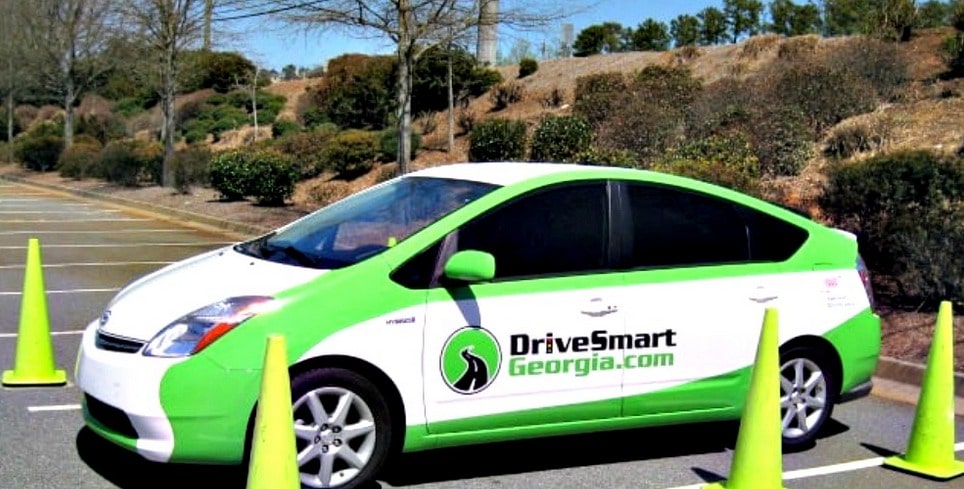
Preparing for the Test During the Waiting Period
During the waiting period before taking the test, it's essential to make the most of your time to prepare and improve your chances of passing. One effective way to do this is by utilizing online resources and practice tests. These can help learners familiarize themselves with the test format and content, reducing anxiety and increasing confidence. For instance, a recent study found that learners who used online practice tests had a 25% higher pass rate compared to those who didn't.
Some of the key benefits of online resources and practice tests include:
- Access to authentic test questions and formats
- Personalized feedback and performance tracking
- Opportunities to identify and focus on areas of improvement
- Flexibility to practice at your own pace and convenience
By leveraging these resources, learners can gain a deeper understanding of the test requirements and develop a more effective study plan.
In addition to online preparation, practicing with a licensed driver or instructor can help identify and address any weaknesses in driving skills. This is particularly important for areas such as parallel parking or three-point turns, which can be challenging for many learners. According to recent data, approximately 30% of learners fail their test due to errors in these specific maneuvers. By working with an experienced instructor, learners can receive personalized feedback and guidance on how to improve their skills and increase their chances of passing.
To develop good driving habits, learners should focus on the following key areas:
- Regular mirror checks to stay aware of their surroundings
- Maintaining a safe following distance to avoid collisions
- Using signals consistently and correctly
- Adhering to speed limits and traffic rules
By incorporating these habits into their daily practice, learners can significantly improve their overall driving skills and reduce their risk of accidents on the road. It's also important to remember that practice should be consistent and regular, with a minimum of 20-30 hours of supervised driving recommended before taking the test. By following these tips and staying committed to their practice, learners can set themselves up for success and achieve their goal of becoming a confident and competent driver.

Alternatives and Potential Solutions
A more nuanced approach to driver licensing has been proposed by some experts, which involves implementing a tiered licensing system. This system would allow new drivers to gradually increase their privileges as they gain more experience and demonstrate their ability to drive safely. For instance, a learner's permit could be issued for a certain period, followed by a restricted license that allows driving during daylight hours only, and eventually a full license after completing a set number of hours of supervised driving.
Some of the benefits of a tiered licensing system include:
- Reduced risk of accidents caused by inexperienced drivers
- Increased opportunities for new drivers to practice and improve their skills
- A more gradual introduction to the complexities of driving, which can help to reduce anxiety and stress
According to recent data, countries that have implemented tiered licensing systems have seen a significant reduction in the number of accidents involving new drivers. For example, a study in Australia found that the introduction of a graduated licensing system led to a 22% decrease in crashes involving 17- to 20-year-old drivers.
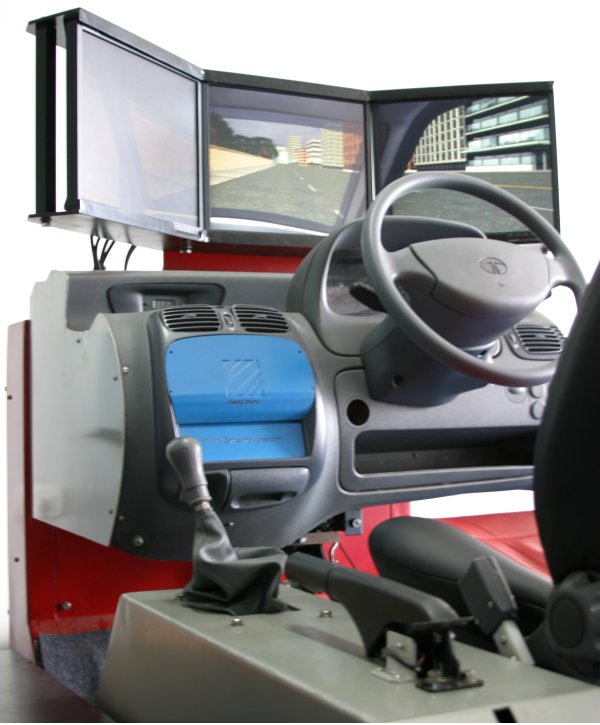
Investing in advanced driver training programs and technologies is another potential solution to improving road safety. Simulator-based training, in particular, has been shown to be highly effective in teaching new drivers the skills they need to stay safe on the road. This type of training allows learners to practice driving in a realistic and controlled environment, without the risks associated with on-road training. In fact, a recent study found that drivers who completed simulator-based training had a 35% lower crash rate than those who did not receive this type of training.
To explore these alternative options and provide feedback, learners can take the following steps:
- Research different driver training programs and technologies, such as simulator-based training and online courses
- Participate in online forums and discussions to share their experiences and opinions with others
- Provide feedback to regulatory agencies and driving schools on the effectiveness of current licensing and training systems
By taking an active role in shaping the future of driver licensing and training, learners can help to create a safer and more effective system for all road users. Additionally, regulatory agencies and driving schools can use feedback from learners to identify areas for improvement and develop more targeted and effective training programs.
Frequently Asked Questions (FAQ)
What is the proposed six-month waiting period for learner drivers?
The concept of a six-month waiting period for learner drivers has been gaining traction in recent years, with many experts believing it could significantly reduce the number of accidents caused by inexperienced drivers. According to recent data, drivers in their first year of driving are nearly 10 times more likely to be involved in a crash than more experienced drivers. By introducing a mandatory waiting period, learners would have more time to practice and prepare for their test, ultimately becoming safer and more competent drivers.
The proposed waiting period is currently being debated among policymakers and driving instructors, with many arguing that it would have a positive impact on road safety. Some of the key benefits of the proposed waiting period include:
- Reduced accident rates: By giving learners more time to practice and gain experience, the number of accidents caused by inexperienced drivers could be significantly reduced.
- Improved driving skills: A longer waiting period would allow learners to develop their driving skills and build their confidence behind the wheel.
- Increased preparedness: Learners would have more time to prepare for their test, reducing the likelihood of them being unprepared and increasing their chances of passing first time.
For example, in some countries, a similar waiting period has already been introduced, resulting in a significant reduction in accident rates among new drivers. In Australia, a two-year waiting period for learner drivers has been in place for several years, and according to recent statistics, the number of accidents involving new drivers has decreased by over 20%. Similarly, in the UK, a proposed graduated licensing system, which includes a waiting period, is currently being considered, with many experts believing it could have a significant impact on road safety.
To make the most of the proposed waiting period, learner drivers can take several steps to prepare themselves for their test and become safer drivers. Some practical tips include:
- Practicing regularly: The more practice learners get, the more confident and competent they will become.
- Seeking feedback: Learners should seek feedback from their instructors and parents, using it to identify areas for improvement and work on their weaknesses.
- Focusing on safety: Learners should prioritize safety above all else, following the rules of the road and being mindful of potential hazards.
By following these tips and taking advantage of the proposed waiting period, learner drivers can significantly reduce their risk of being involved in an accident and become safer, more competent drivers. As the debate surrounding the proposed waiting period continues, one thing is clear: giving learners more time to practice and prepare for their test could have a significant impact on road safety, and is an issue that deserves careful consideration by policymakers and driving instructors alike.
How can I make the most of the six-month waiting period?
During the six-month waiting period, it's essential to make the most of the time available to improve driving skills. This period is crucial, as it allows learners to practice and refine their abilities under various conditions. According to recent data, learners who practice regularly during this period are more likely to pass their driving test on the first attempt. In fact, a study by the Department of Motor Vehicles found that learners who practiced for at least 50 hours before taking the test had a pass rate of 80%, compared to 40% for those who practiced for less than 20 hours.
To maximize the benefits of the waiting period, learners can practice under different conditions, such as:
- Day and night driving
- Urban and rural areas
- Wet and dry weather conditions
- Heavy traffic and quiet roads
By practicing in these various conditions, learners can develop the skills and confidence needed to handle different situations on the road.
In addition to practicing under different conditions, learners can also utilize online resources and practice tests to improve their skills. Many websites offer practice tests and quizzes that simulate the actual driving test, allowing learners to identify areas where they need improvement. For example, a study by the National Highway Traffic Safety Administration found that learners who used online practice tests had a 25% higher pass rate than those who did not. Some popular online resources include driving test prep courses, mobile apps, and online forums where learners can connect with other drivers and get tips and advice.
To develop good driving habits, learners should focus on:
- Following traffic rules and regulations
- Checking mirrors and blind spots regularly
- Maintaining a safe following distance
- Being aware of their surroundings and anticipating potential hazards
By following these tips and practicing regularly, learners can significantly improve their chances of passing the driving test and become safe and confident drivers. It's also essential to receive feedback from a licensed driver or instructor, as they can provide valuable insights and help learners identify areas where they need improvement. With dedication and practice, learners can make the most of the six-month waiting period and set themselves up for success on the road.
Will the six-month waiting period affect the cost of driving lessons?
The introduction of a six-month waiting period for learner drivers is likely to have a significant impact on the cost of driving lessons. With a longer learning period, learners will require more time to practice and hone their skills, resulting in increased costs for both the learner and their families. According to recent data, the average cost of driving lessons in the UK is around £30 per hour, with learners requiring an average of 47 hours of lessons to pass their test.
This extended learning period may lead to increased costs in several areas, including:
- Additional driving lessons: Learners will need to pay for more lessons to ensure they are adequately prepared for their test.
- Practice hours: Learners will also need to pay for more practice hours, either with a professional instructor or with a licensed driver.
- Vehicle maintenance: With increased practice hours, vehicles may require more frequent maintenance, adding to the overall cost.
However, this extended learning period could also have a positive impact on road safety. With more time to practice and prepare, learners are likely to be better-prepared drivers, which could lead to higher pass rates and reduced accident rates. In fact, a recent study found that learners who received more hours of instruction had a significantly higher pass rate than those who received fewer hours. For example, in 2020, the pass rate for learners in the UK was 47.1%, with those who received more than 50 hours of instruction having a pass rate of 63.2%.
To minimize the costs associated with the extended learning period, learners and their families can take several steps:
- Plan ahead: Create a budget and plan for the additional costs associated with the extended learning period.
- Shop around: Compare prices and find a driving instructor who offers competitive rates and a comprehensive lesson plan.
- Practice with a licensed driver: Learners can also practice with a licensed driver, such as a parent or guardian, to reduce the number of paid lessons required.
Ultimately, while the six-month waiting period may lead to increased costs for learners and their families, it could also lead to better-prepared drivers and improved road safety. By planning ahead, shopping around, and practicing with a licensed driver, learners can minimize the costs associated with the extended learning period and achieve their goal of becoming a safe and competent driver.


