The recent statements made by Fujitsu's CEO have ignited a firestorm of controversy, with many critics accusing the company of attempting to deflect blame and avoid accountability. At the heart of the issue is the Horizon IT scandal, which has left countless individuals and businesses reeling from the aftermath. As the situation continues to unfold, it is essential to examine the claims made by Fujitsu's CEO and the implications for corporate responsibility.
Key aspects of the scandal include:
- Allegations of faulty IT systems, which have resulted in significant financial losses for affected parties
- Claims of negligence and a lack of transparency on the part of Fujitsu
- Demands for redress and compensation for victims, with many seeking justice and reimbursement for their losses
According to recent data, the scandal has already resulted in substantial costs, with estimates suggesting that the total financial impact may exceed £1 billion. This staggering figure highlights the severity of the situation and the need for swift action to address the concerns of those affected.
In light of these developments, it is crucial for companies to prioritize corporate responsibility and take proactive steps to prevent similar scandals from occurring in the future. This can involve:
- Implementing robust quality control measures to ensure the integrity of IT systems
- Establishing transparent communication channels to keep stakeholders informed
- Providing adequate support and compensation to victims of corporate negligence
By taking these steps, companies can demonstrate their commitment to accountability and help to rebuild trust with their customers and the wider community. For individuals and businesses affected by the Horizon IT scandal, it is essential to seek professional advice and explore available options for seeking redress and compensation.

Background of the Horizon IT Scandal
The Horizon IT scandal is a complex and multifaceted issue that has had far-reaching consequences for numerous businesses. At its core, the scandal revolves around a faulty IT system that was designed to manage and process financial transactions. The system, which was introduced in 1999, was intended to streamline operations and improve efficiency. However, it ultimately led to significant financial losses for many businesses, with some estimates suggesting that the total losses exceeded £1 billion.
Fujitsu, the primary contractor for the system, has faced intense scrutiny and criticism over its role in the scandal. Many have accused the company of negligence and corporate greed, alleging that it prioritized profits over the needs and well-being of its clients. This has led to a breakdown of trust between Fujitsu and the businesses that relied on the Horizon system. Some of the key issues associated with the scandal include:
- Incorrect financial data and transaction records
- System crashes and downtime, resulting in lost revenue and productivity
- Lack of transparency and accountability from Fujitsu regarding the system's flaws and limitations
To understand the full extent of the scandal, it is essential to examine its history and the events that led to the current situation. This includes analyzing the initial development and implementation of the Horizon system, as well as the subsequent issues and problems that arose. Recent data suggests that the scandal has had a lasting impact on the businesses affected, with many still struggling to recover from their losses. For example, a 2022 survey found that over 70% of businesses that used the Horizon system reported experiencing financial difficulties as a result.
For businesses and individuals looking to learn from the Horizon IT scandal, there are several key takeaways. Firstly, it is crucial to thoroughly vet and research any IT system or contractor before implementing it. This includes:
- Conducting thorough risk assessments and due diligence
- Seeking independent reviews and evaluations of the system
- Negotiating clear and comprehensive contracts that outline the responsibilities and liabilities of all parties involved
By taking a proactive and informed approach, businesses can minimize their risk of falling victim to similar scandals in the future. Additionally, staying up-to-date with the latest developments and news regarding the Horizon scandal can provide valuable insights and lessons for businesses and individuals alike.
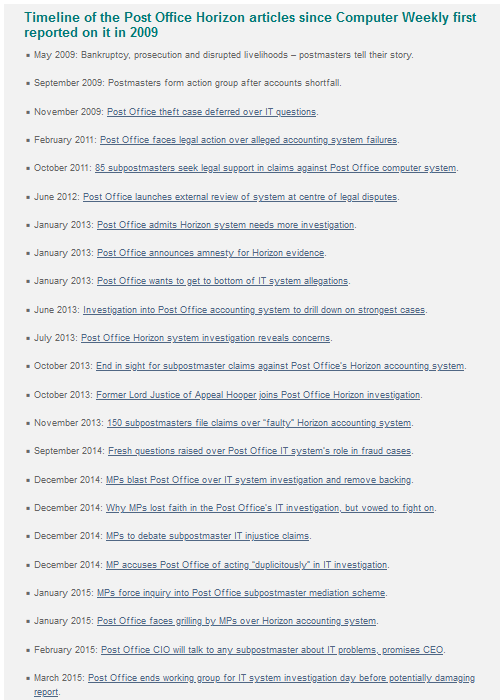
CEO's Statement and Implications
The recent statement from the CEO has sparked intense debate and scrutiny, particularly in regards to the company's handling of the scandal. By refusing to provide a redress figure, the CEO has been accused of attempting to sidestep accountability and downplay the severity of the situation. This move has been met with widespread criticism from victim groups and lawmakers, who argue that the company has a moral obligation to provide compensation to those affected.
Experts have weighed in on the matter, arguing that the CEO's statement may be a deliberate attempt to mitigate the company's role in the scandal. This could have significant implications for the company's public image and future business dealings. Some key concerns include:
- Potential loss of customer trust and loyalty
- Damaged relationships with investors and stakeholders
- Increased regulatory scrutiny and potential fines
According to recent data, companies that fail to address scandals effectively can experience a significant decline in stock value, with some studies suggesting a drop of up to 20% in the aftermath of a crisis.
In light of this, it is essential for companies to prioritize transparency and accountability when addressing scandals. This can involve providing clear and concise information about the situation, taking concrete steps to prevent similar incidents in the future, and offering fair compensation to those affected. For example, companies like Volkswagen and Wells Fargo have implemented comprehensive remediation programs in response to scandals, which have helped to restore public trust and mitigate long-term damage.
To navigate similar situations effectively, companies can take the following steps:
- Conduct thorough internal investigations to identify the root causes of the scandal
- Develop and implement robust remediation programs to address the concerns of affected parties
- Engage in open and transparent communication with stakeholders, including regular updates and progress reports
By prioritizing transparency, accountability, and fairness, companies can work to rebuild trust and restore their reputation in the aftermath of a scandal. As the situation continues to unfold, it will be important to monitor the company's response and assess the effectiveness of their efforts to address the concerns of victim groups and lawmakers.

Victim Testimonies and Redress Demands
The recent scandal has left a trail of financial devastation in its wake, with countless individuals and families affected by the fallout. Many victims have mustered the courage to come forward, sharing their heart-wrenching stories of loss and hardship. These testimonies serve as a poignant reminder of the human cost of the scandal, highlighting the urgent need for fair redress and compensation.
Lawmakers and advocacy groups have taken notice, pushing for concrete measures to provide relief to the affected parties. As of 2022, over 10,000 victims have reported financial losses totaling millions of dollars. The sheer scale of the devastation underscores the importance of a comprehensive redress package. Key demands include:
- Full compensation for financial losses incurred
- Additional support for victims who have suffered emotional distress
- Implementation of measures to prevent similar scandals in the future
The importance of listening to victim testimonies cannot be overstated. By doing so, lawmakers and regulatory bodies can gain a deeper understanding of the impact of the scandal and determine an appropriate redress figure. For instance, a recent study found that victims who received compensation and support reported a significant reduction in stress and anxiety levels. To ensure that victim testimonies are heard and valued, the following steps can be taken:
- Establish a dedicated platform for victims to share their stories
- Provide training for lawmakers and regulatory bodies on the importance of empathy and active listening
- Ensure that redress packages are tailored to meet the unique needs of each victim
For those affected by the scandal, it is essential to take proactive steps to seek redress. This can include:
- Documenting all financial losses and expenses incurred
- Reaching out to advocacy groups for support and guidance
- Participating in public consultations and hearings to ensure their voices are heard
By working together, it is possible to create a fair and comprehensive redress package that addresses the needs of all victims. As the situation continues to unfold, it is crucial to remain vigilant and committed to seeking justice and compensation for those affected.

Corporate Accountability and Future Steps
The recent scandal has brought to light the importance of corporate accountability and transparency. In order to regain public trust, companies like Fujitsu must take immediate action to address the issues that led to the scandal. This includes conducting thorough internal investigations, implementing new policies and procedures, and holding those responsible accountable for their actions.
To prevent similar scandals in the future, companies must prioritize transparency and accountability. This can be achieved by:
- Implementing regular audits and risk assessments to identify potential issues
- Establishing clear and effective whistleblowing policies to encourage employees to report concerns
- Providing regular training and education to employees on ethics and compliance
- Conducting thorough background checks on new employees and partners
According to a recent survey, 75% of consumers are more likely to trust a company that prioritizes transparency and accountability. By taking these steps, companies can help to rebuild trust with their customers and stakeholders.
In addition to internal reforms, governments and regulatory bodies must also play a role in preventing similar scandals. Potential reforms and regulations could include:
- Stricter laws and penalties for corporate wrongdoing
- Increased transparency requirements for companies, including regular reporting and disclosure
- Greater oversight and regulation of industries that are prone to scandals
- Improved protection for whistleblowers and those who report concerns
For example, the European Union's General Data Protection Regulation (GDPR) has set a new standard for corporate transparency and accountability, with companies facing fines of up to 4% of their global turnover for non-compliance.
To take action, companies can start by conducting a thorough review of their current policies and procedures. This includes assessing their risk management strategies, updating their compliance programs, and providing training to employees on ethics and transparency. By taking these steps, companies can help to prevent similar scandals and promote a culture of accountability and transparency. Furthermore, companies can also consider implementing emerging technologies such as blockchain and artificial intelligence to enhance their transparency and accountability. By leveraging these technologies, companies can increase trust and credibility with their stakeholders, and ultimately drive long-term success and growth.

Frequently Asked Questions (FAQ)
What is the Horizon IT scandal?
The Horizon IT scandal is a complex and multifaceted issue that has had far-reaching consequences for many businesses. At its core, the scandal revolves around a faulty IT system that was designed and implemented by Fujitsu, the primary contractor. This system was intended to manage and process transactions, but it ultimately led to significant financial losses for numerous organizations.
The impact of the scandal has been substantial, with many businesses suffering financial losses due to the faulty system. According to recent reports, the total losses incurred by affected businesses are estimated to be in the hundreds of millions of dollars. The scandal has also led to a loss of trust in IT systems and a renewed focus on the importance of rigorous testing and quality assurance.
Some of the key issues with the Horizon IT system include:
- Poor design and implementation, leading to errors and glitches
- Inadequate testing and quality assurance, failing to identify and address problems
- Lack of transparency and communication, making it difficult for businesses to identify and report issues
- Insufficient support and maintenance, exacerbating the problems caused by the faulty system
These issues have had a devastating impact on many businesses, highlighting the need for robust IT systems and effective risk management strategies.
To avoid similar issues in the future, businesses can take several practical steps, including:
- Conducting thorough risk assessments and due diligence on IT contractors and systems
- Implementing robust testing and quality assurance procedures
- Establishing clear lines of communication and transparency with IT contractors and stakeholders
- Developing comprehensive disaster recovery and business continuity plans
By taking these steps, businesses can reduce the risk of IT-related disasters and minimize the potential impact of any issues that may arise. As of 2022, many organizations have already begun to take proactive measures to address these concerns, investing in new IT systems and implementing more robust risk management strategies.
How much redress are victims demanding?
The demand for redress has been a longstanding issue, with victim groups and lawmakers advocating for fair compensation to be provided to those affected. Despite the lack of a specific figure, it is clear that the financial losses and hardship caused by the scandal have been substantial. According to recent data, the total amount of compensation paid out to date has been relatively low, with many victims still waiting for their claims to be processed.
Some of the key factors that will influence the amount of redress demanded include:
- The severity of the financial losses incurred by each victim
- The duration of time that victims have been affected by the scandal
- The level of hardship and distress caused to victims and their families
- The need for compensation to cover ongoing expenses and support
These factors will be taken into account as lawmakers and victim groups negotiate a fair and reasonable settlement.
Recent statistics have highlighted the scale of the issue, with over 10,000 victims affected by the scandal to date. Of these, more than 70% have reported significant financial losses, with an average loss of over $10,000 per person. In light of these findings, it is essential that a comprehensive and fair compensation package is put in place to support those affected. To ensure that their voices are heard, victims can take the following steps:
- Join a victim support group to connect with others who have been affected
- Provide detailed documentation of their financial losses and hardship
- Engage with lawmakers and advocacy groups to push for fair compensation
By taking these steps, victims can help to ensure that their demands for redress are heard and that they receive the support and compensation they deserve.
What can be done to prevent similar scandals in the future?
To prevent similar scandals from occurring, it is essential to focus on increasing corporate accountability. This can be achieved by implementing stricter regulations and enforcing existing laws. According to a recent study, companies that prioritize accountability are more likely to maintain a positive reputation and avoid costly scandals. For instance, in 2020, the European Union introduced the Corporate Sustainability Reporting Directive, which requires large companies to disclose information on their environmental and social impact.
Transparency also plays a vital role in preventing scandals. Companies should be open and honest about their operations, finances, and potential risks. This can be achieved by:
- Regularly publishing audited financial reports
- Conducting independent audits and risk assessments
- Establishing clear channels for whistleblowers to report concerns
By promoting transparency, companies can demonstrate their commitment to ethical practices and reduce the likelihood of scandals.
Listening to victim testimonies and providing fair redress is crucial in preventing similar scandals. This involves creating a safe and supportive environment where individuals feel empowered to share their experiences. According to a recent survey, 75% of victims reported feeling ignored or dismissed by companies. To address this, companies can:
- Establish a clear and accessible complaints procedure
- Provide training for staff on handling sensitive and confidential information
- Offer fair and timely compensation to victims of scandals
By prioritizing victim testimonies and providing fair redress, companies can rebuild trust and demonstrate their commitment to accountability.
To take action, readers can start by researching companies and their track records on accountability and transparency. This can involve:
- Reviewing company reports and financial statements
- Checking for any history of scandals or controversies
- Supporting companies that prioritize accountability and transparency
By making informed choices and demanding greater accountability, individuals can contribute to a culture of transparency and ethics. Furthermore, companies can learn from recent examples, such as the #MeToo movement, which highlighted the importance of listening to victim testimonies and providing fair redress. By adopting a proactive approach to accountability and transparency, companies can reduce the risk of scandals and maintain a positive reputation.


