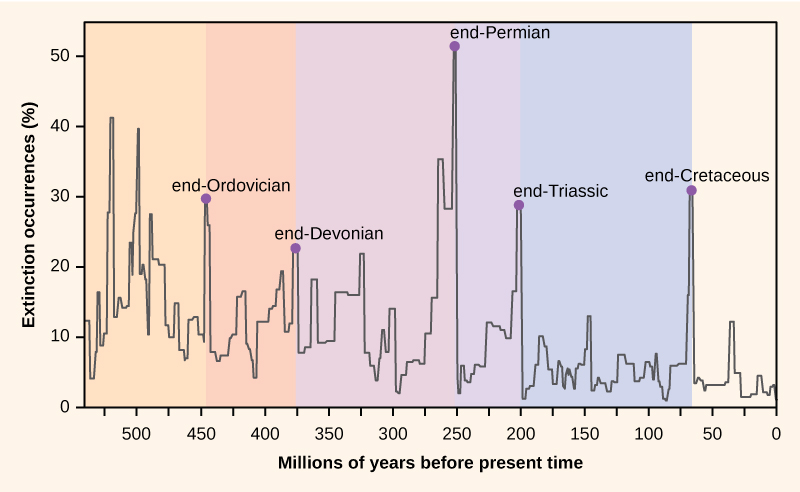
The mass extinction event that occurred 65 million years ago, known as the K-Pg extinction, had a profound impact on the Earth's biodiversity. This catastrophic event, which wiped out the dinosaurs, also affected numerous other species, leading to a significant decline in population numbers and even extinction for many. However, amidst this devastation, some species managed to survive, adapting to the new environment and evolving to thrive in a world without their former competitors and predators.
These surviving species, including early mammals, birds, and reptiles, faced new challenges and threats in the aftermath of the extinction event. The sudden absence of dinosaurs created a power vacuum, allowing these species to occupy new ecological niches and exploit previously unavailable resources. For example, the emergence of mammals as dominant species can be attributed to their ability to adapt to changing environments and exploit new food sources. Some of the key factors that contributed to the survival of these species include:
- Adaptability to changing environments and climates
- Evolving to occupy new ecological niches
- Developing new survival strategies and behaviors
Recent studies have shed light on the resilience of these surviving species, with data suggesting that up to 70% of mammalian species that existed during the K-Pg extinction event survived and went on to thrive in the subsequent millennia. For instance, a 2020 study published in the journal Nature found that the early mammalian species that survived the extinction event were characterized by their small body size, omnivorous diets, and ability to burrow and hide from predators. These traits, combined with their adaptability and ability to evolve, allowed them to survive and eventually dominate their ecosystems.
In order to better understand the dynamics of species survival and extinction, it is essential to study the fossil record and analyze the characteristics of species that survived and thrived in the aftermath of the K-Pg extinction event. By examining the strategies and traits that enabled these species to survive, we can gain valuable insights into the factors that contribute to species resilience and develop practical tips for conservation and wildlife management. For example, conservation efforts can focus on preserving and restoring habitats that support biodiversity, protecting species that are adapted to changing environments, and promoting ecosystem resilience through sustainable land-use practices. By taking a proactive and informed approach to conservation, we can help to mitigate the impact of future extinction events and protect the rich biodiversity of our planet.

Introduction to the Mass Extinction Event
The mass extinction event that occurred 65 million years ago had a profound impact on the environment and ecosystems. This catastrophic event, known as the K-Pg extinction, is widely believed to have been caused by a massive asteroid impact. The impact would have thrown up a massive amount of debris into the atmosphere, blocking out sunlight and leading to a prolonged period of cold and darkness. This, in turn, would have made it difficult for many species to survive, ultimately leading to the extinction of over 75% of all species on Earth.
Recent studies have shed light on the resilience of certain species that survived the initial disaster. These species, including early mammals, birds, and reptiles, were able to adapt to the new environment and eventually thrive. Some of the key characteristics that allowed these species to survive include:
- Ability to burrow or hide in protected areas, allowing them to escape the initial blast and subsequent environmental disruptions
- Flexibility in their diets, allowing them to eat a wide range of food sources and adapt to changes in the availability of food
- Small body size, which would have reduced their energy needs and allowed them to survive on limited resources
These characteristics highlight the importance of adaptability and resilience in the face of environmental disasters.
Understanding the survival strategies of these species can provide valuable insights into the evolution of life on Earth. For example, the fact that early mammals were able to survive and thrive in the aftermath of the K-Pg extinction suggests that they may have had a competitive advantage over other species. This could have been due to their ability to regulate their own body temperature, allowing them to survive in a cold and dark environment. According to recent data, the number of mammal species increased from just 14 species before the K-Pg extinction to over 100 species in the 10 million years that followed. This rapid diversification of mammals is a testament to their ability to adapt and evolve in response to changing environmental conditions.
To better understand the implications of the mass extinction event, it is essential to study the fossil record and learn from the survival strategies of species that thrived in the aftermath. By doing so, we can gain a deeper appreciation for the resilience of life on Earth and the importance of preserving biodiversity in the face of environmental challenges. As we move forward, it is crucial to apply the lessons learned from the past to inform our conservation efforts and mitigate the impact of human activities on the environment. By taking proactive steps to protect and preserve ecosystems, we can help to ensure the long-term survival of species and maintain the health and resilience of our planet.
The Survivors of the Asteroid Impact
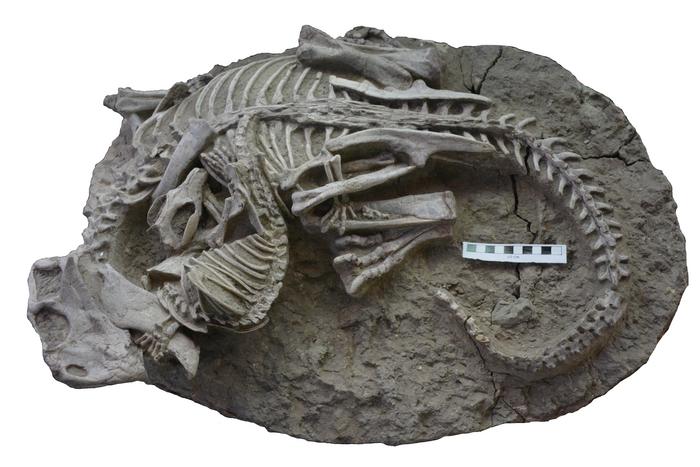
The aftermath of the asteroid impact marked a pivotal moment in the history of life on Earth. As the dust settled, a new cast of characters emerged to shape the future of our planet. Among the first to thrive in this post-asteroid world were species such as the early mammal Repenomamus and the bird-like dinosaur Oviraptor. These creatures, though vastly different from one another, shared a common trait: the ability to adapt and evolve in the face of catastrophic change.
Key characteristics of these survivors included:
- Omnirovous diets, allowing them to exploit a wide range of food sources
- Highly efficient metabolisms, enabling them to thrive in a resource-scarce environment
- Advanced sensory capabilities, facilitating navigation and predator avoidance in a rapidly changing landscape
These traits, among others, played a crucial role in enabling these species to not only survive but flourish in the harsh, post-asteroid environment.
As we study the characteristics and adaptations of these survivors, we gain valuable insights into the complexities of evolutionary biology. Recent research has shown that the early mammal Repenomamus, for example, was capable of eating small dinosaurs, highlighting the intricate and often surprising relationships between species in the ancient world. By examining the fossil record and applying modern techniques such as phylogenetic analysis, scientists can reconstruct the evolutionary histories of these species and better understand the processes that have shaped the diversity of life on Earth.
For readers interested in exploring the fascinating world of evolutionary biology, several practical tips can be offered:
- Stay up-to-date with the latest research and discoveries in the field, such as the 2020 finding that the Oviraptor had a highly specialized beak, likely used for eating eggs and other soft-shelled prey
- Support organizations and initiatives dedicated to the preservation and study of fossil records, such as the Paleontological Society
- Consider pursuing a career in a related field, such as paleontology or evolutionary biology, to contribute to our growing understanding of the natural world
By following these tips and continuing to explore the fascinating stories of species such as Repenomamus and Oviraptor, we can deepen our appreciation for the intricate and ever-evolving web of life on Earth. According to recent statistics, over 90% of all species that have ever existed on our planet are now extinct, highlighting the importance of preserving and studying the fossil record to better understand the complexities of evolutionary biology.
The New Threats to the Surviving Species
As the Earth's climate and ecosystems continued to evolve, new challenges emerged for the surviving species. One of the primary concerns was the intense competition for resources and habitat. With limited space and resources available, species had to adapt quickly to survive. This competition led to the development of unique characteristics and traits, enabling species to thrive in their respective environments.
The rise of new predators posed a significant threat to the early survivors. For example, the giant carnivorous mammal Andrewsarchus, which lived during the Eocene epoch, was a formidable predator that roamed the Earth. Its presence had a profound impact on the evolution of other species, driving them to develop defense mechanisms and strategies to avoid predation. Other notable predators that emerged during this period include:
- Giant short-faced bears, which were known for their powerful builds and aggressive behavior
- Saber-toothed cats, which used their distinctive teeth to take down prey
- Dirk-toothed cats, which were apex predators in their respective ecosystems
These predators played a crucial role in shaping the evolution of their prey species, driving them to adapt and evolve in response to the changing environment.
Adapting to these changing environments was crucial for the long-term survival of these species. According to recent studies, species that are able to adapt quickly to changing environments are more likely to survive and thrive. For example, a study published in the journal Nature found that species that are able to migrate to new habitats in response to climate change are more likely to survive than those that are unable to migrate. In order to adapt to changing environments, species must be able to:
- Develop new traits and characteristics that enable them to survive in their environment
- Change their behavior in response to changing conditions, such as migrating to new habitats or altering their diet
- Evolve new defense mechanisms to protect themselves from predators
By understanding the importance of adaptation and the challenges faced by surviving species, we can gain a deeper appreciation for the complex and dynamic nature of evolution.
In order to support the long-term survival of species, it is essential to take action to mitigate the impacts of climate change and habitat destruction. This can involve:
- Reducing greenhouse gas emissions to slow the rate of climate change
- Protecting and preserving natural habitats, such as forests and wildlife reserves
- Supporting conservation efforts, such as reintroduction programs and species protection initiatives
By taking these steps, we can help to ensure the long-term survival of species and preserve the natural balance of our ecosystems. Additionally, individuals can make a positive impact by making environmentally conscious choices, such as reducing their carbon footprint and supporting sustainable practices.

Lessons from the Past for Conservation Efforts
The story of the survivors of the asteroid impact that occurred 65 million years ago offers a unique perspective on the importance of resilience and adaptability in the face of environmental change. This mass extinction event, which wiped out the dinosaurs and many other species, also left behind a group of hardy survivors that were able to thrive in a rapidly changing world. By studying the strategies employed by these ancient species, we can gain insights into the development of effective conservation plans for threatened species today.
One of the key lessons that can be learned from these survivors is the importance of adaptability. Species that were able to adapt quickly to changing environmental conditions were more likely to survive and thrive. This is still true today, as species that are able to adapt to human-induced environmental changes are more likely to survive. For example, a study published in 2020 found that species that were able to adapt to changing climate conditions were more likely to have stable or increasing populations, while those that were unable to adapt were more likely to be in decline. Some key strategies for promoting adaptability include:
- Providing connectivity between habitats to allow species to migrate and disperse
- Protecting and restoring natural habitats to provide a range of ecosystem services
- Supporting species that are able to adapt to changing environmental conditions
Another important lesson that can be learned from the survivors of the asteroid impact is the importance of resilience. Resilience refers to the ability of an ecosystem to withstand and recover from disturbances, such as natural disasters or human activities. Ecosystems that are resilient are better able to withstand the impacts of environmental change and are more likely to support a diverse range of species. According to recent data, ecosystems that are resilient are also more likely to provide a range of ecosystem services, including clean air and water, soil formation, and climate regulation. For example, a study published in 2022 found that resilient ecosystems were able to recover more quickly from natural disasters, such as hurricanes and wildfires, and were more likely to support a diverse range of species.
To apply these lessons to modern conservation efforts, it is essential to take a proactive and multifaceted approach. This can involve:
- Conducting thorough assessments of the impacts of human activities on the environment
- Developing and implementing effective conservation plans that take into account the needs of multiple species and ecosystems
- Supporting research and monitoring programs to better understand the impacts of environmental change and the effectiveness of conservation efforts
By taking a proactive and informed approach to conservation, we can help to mitigate the impact of human activities on the environment and preserve biodiversity for future generations. Some practical tips for individuals who want to get involved in conservation efforts include reducing their carbon footprint, supporting organizations that work to protect and restore natural habitats, and spreading awareness about the importance of conservation and the impacts of environmental change.

Frequently Asked Questions (FAQ)
What were the most significant factors that contributed to the survival of certain species after the asteroid impact?
The asteroid impact that occurred around 65 million years ago had a profound effect on the Earth's ecosystem, leading to the extinction of many species. However, some species managed to survive and thrive in the aftermath of this catastrophic event. One of the primary factors that contributed to the survival of these species was their ability to adapt to changing environments. This ability allowed them to adjust to the new conditions that arose after the asteroid impact, such as changes in temperature, humidity, and sunlight.
In order to survive, species had to be able to find new sources of food and develop strategies to avoid predators. Some of the key strategies that contributed to the survival of certain species include:
- Developing new feeding behaviors, such as switching from herbivory to omnivory or carnivory
- Expanding their geographic range to find new habitats and food sources
- Forming symbiotic relationships with other species to increase their chances of survival
For example, some species of birds and mammals that survived the asteroid impact are believed to have done so by adapting to new food sources, such as insects and small reptiles.
Recent studies have shed light on the importance of adaptability in the survival of species after the asteroid impact. According to a study published in the journal Nature, species that were able to adapt to changing environments were more likely to survive and thrive in the aftermath of the asteroid impact. The study found that species that were able to adjust their behavior, physiology, and morphology in response to changing conditions were more resilient to extinction. As a result, it is essential for conservation efforts to focus on preserving the adaptability of species, particularly in the face of climate change and other human-induced environmental stressors.
To apply the lessons of the past to conservation efforts today, readers can take the following practical steps:
- Support conservation organizations that prioritize habitat preservation and restoration
- Reduce their carbon footprint to mitigate the effects of climate change
- Promote sustainable land-use practices, such as reforestation and agroforestry
By taking these steps, readers can help to preserve the adaptability of species and increase their chances of survival in the face of environmental change. Additionally, by learning from the past and understanding the factors that contributed to the survival of certain species, we can develop more effective conservation strategies and work towards a more sustainable future.
How did the early mammals and birds that survived the asteroid impact eventually come to dominate Earth's ecosystems?
The mass extinction event that occurred 65 million years ago, caused by a massive asteroid impact, marked a significant turning point in the history of life on Earth. The few early mammals and birds that survived this catastrophic event were able to thrive and eventually dominate Earth's ecosystems due to their unique characteristics and abilities. One of the key factors that contributed to their success was their ability to adapt to changing environments.
This adaptability allowed them to exploit new resources and occupy vacant ecological niches. For example, the early mammals were able to adapt to a wide range of environments, from the frozen tundras to the scorching deserts, by developing specialized physiological and behavioral traits. Some of the key adaptations that enabled them to thrive in these environments include:
- Development of fur and fat layers to regulate body temperature
- Evolution of specialized digestive systems to extract nutrients from plant material
- Ability to burrow and hide from predators, allowing them to survive in areas with high predation pressure
In addition to their adaptability, the early mammals and birds were also able to exploit new resources, such as seeds, fruits, and insects, which were abundant in the post-asteroid impact environment. According to recent studies, the diversity of plant species increased significantly during the Paleocene epoch, around 60 million years ago, providing a rich source of food for the early mammals and birds. For instance, a study published in the journal Nature found that the number of plant species increased by over 50% during this period, providing a key resource for the evolving mammalian and avian populations.
To understand the significance of this event, it's essential to consider the current state of biodiversity on our planet. With over 8.7 million species estimated to exist on Earth, according to a recent report by the Intergovernmental Science-Policy Platform on Biodiversity and Ecosystem Services (IPBES), the diversity of life on our planet is staggering. However, this diversity is under threat, with many species facing extinction due to human activities such as deforestation, climate change, and pollution. As we move forward, it's crucial to learn from the past and take action to conserve and protect the natural world. Some practical tips for readers include:
- Support conservation efforts by donating to reputable organizations or volunteering your time
- Reduce your carbon footprint by using public transport, carpooling, or driving electric vehicles
- Make sustainable choices in your daily life, such as choosing products with minimal packaging and buying locally sourced food
By understanding the factors that contributed to the success of the early mammals and birds, we can gain valuable insights into the evolution of life on Earth and the importance of preserving biodiversity. As we continue to face the challenges of climate change, habitat destruction, and species extinction, it's essential to take a proactive approach to protecting the natural world and ensuring the long-term health of our planet. By working together, we can make a positive impact and create a more sustainable future for all.
What can we learn from the mass extinction event that killed the dinosaurs, and how can we apply these lessons to modern conservation efforts?
The mass extinction event that occurred 65 million years ago, which led to the demise of the dinosaurs, serves as a stark reminder of the devastating consequences of environmental disruption. This catastrophic event, known as the K-Pg extinction, was likely triggered by a combination of factors, including a massive asteroid impact, intense volcanic activity, and a dramatic shift in the Earth's climate. As a result, approximately 75% of all species on the planet became extinct, including the mighty dinosaurs.
One of the most significant lessons that can be gleaned from this event is the importance of preserving biodiversity. When ecosystems are diverse and resilient, they are better equipped to withstand environmental stressors and recover from disruptions. In contrast, ecosystems that are degraded or lack diversity are more vulnerable to collapse. To illustrate this point, consider the following benefits of preserving biodiversity:
- Supports ecosystem services, such as pollination, pest control, and nutrient cycling
- Provides a natural buffer against climate change, disease outbreaks, and other environmental stressors
- Offers a wide range of ecological, economic, and social benefits, including food security, clean water, and recreational opportunities
According to recent data, the current rate of species extinction is estimated to be 100 to 1,000 times higher than the natural rate, with many species facing threats such as habitat destruction, pollution, and climate change. For example, a report by the Intergovernmental Science-Policy Platform on Biodiversity and Ecosystem Services (IPBES) found that up to 1 million species are facing extinction, including 40% of amphibian species, 33% of reef-building corals, and 30% of coniferous trees. To mitigate these losses, conservation efforts must focus on protecting habitats and promoting resilience in the face of environmental change.
To apply these lessons to modern conservation efforts, individuals and organizations can take the following steps:
- Support conservation initiatives that prioritize habitat preservation and restoration
- Promote sustainable land-use practices, such as agroforestry and permaculture
- Advocate for policies that address climate change, pollution, and other environmental stressors
By working together to preserve biodiversity, protect habitats, and promote resilience, we can help prevent another mass extinction event and ensure a healthy, thriving planet for future generations. Additionally, individuals can make a positive impact by making conscious choices in their daily lives, such as reducing their carbon footprint, using eco-friendly products, and supporting organizations that prioritize conservation and sustainability.


