The obligatory lip service to diversity from the BBC - how quaint. How utterly, mind-numbingly predictable. It's almost as if they've hired an army of PR robots to churn out the same tired platitudes, designed to lull the gullible masses into a false sense of security. "Oh, look, we care about diversity!" Yeah, sure, and I'm the Queen of England.
Let's take a closer look at the BBC's "commitment" to diversity, shall we? Here are just a few examples of their stellar track record:
- Tokenistic casting decisions that reek of box-ticking exercises, rather than genuine attempts to represent marginalized communities.
- Statistical embarrassments, such as the fact that only 12% of BBC staff are from BAME backgrounds - a number that's barely budged in years.
- Excuses, excuses, excuses: "We're trying our best", "It's a complex issue", "We need more time" - all while the status quo remains stubbornly intact.
And don't even get me started on the sycophantic influencers and "experts" who lap up the BBC's PR nonsense like the good little lapdogs they are. "Oh, the BBC is doing a great job on diversity!" - said no one with a functioning brain stem. These apologists are either willfully ignorant or just plain stupid - take your pick.
The BBC's diversity report card is a horror story of epic proportions. They've had years to get it right, and yet they still manage to produce cringeworthy, tone-deaf programming that's more likely to alienate marginalized communities than engage them. And let's not forget the time they tried to pass off a bunch of wealthy, privileged presenters as "diverse" - a move so brazenly cynical it would be laughable if it weren't so insulting. Gullible people, take note: the BBC is not your friend. They're just using you to perpetuate their own self-serving agenda. Wake up, sheeple.

The Sham of Diversity Initiatives
Oh joy, the BBC's diversity initiatives: a masterclass in corporate doublespeak and empty virtue signaling. Because, you know, slapping a trendy hashtag on a press release and hiring a few token diversity consultants is all it takes to fix decades of systemic inequality. How quaint.
The lack of actual progress is staggering. Let's take a look at some of the "highlights" of the BBC's diversity efforts:
- Only 12% of their senior leadership team is from a BAME background – a whopping 2% increase from 2015. Progress!
- Their much-vaunted diversity training programs have been described as "patronizing" and "ineffective" by actual employees.
- They've managed to reduce the number of women in key creative roles by 10% since 2018. Who needs representation in media, anyway?
Meanwhile, the BBC's PR machine churns out meaningless buzzwords and vague promises, no doubt designed to lull the gullible masses into a false sense of security. Wake up, sheeple!
It's almost laughable how the BBC expects us to swallow their diversity rhetoric without questioning the glaring lack of substance. After all, who needs tangible results when you can just issue a strongly-worded statement and call it a day? The emperor's new clothes are looking particularly threadbare this season. Influencers and "experts" are, of course, too busy collecting their paycheck to call out this farce for what it is.
Real people are suffering while the BBC indulges in this cynical game of diversity theater. Take, for example, the countless women and minorities who've been pushed out of the industry due to lack of opportunities and support. Or the ones who've been forced to endure racist and sexist harassment on set, only to be silenced by the BBC's draconian NDAs. But hey, at least the BBC's Twitter account has a fancy new logo, right? Priorities, people! The fact that most people are too afraid to speak out against this hypocrisy is a testament to the BBC's impressive ability to silence dissent and maintain a facade of progress. How's that for "diversity and inclusion"?

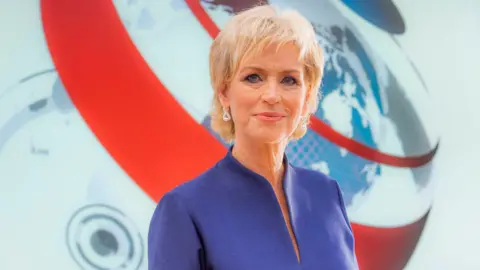
Ageism and Sexism in the BBC
Oh joy, the BBC's ageism and sexism problem. How utterly shocking. It's not like we've been hearing about this for decades or anything. The fact that they're still managing to disappoint is a testament to their unwavering commitment to being tone-deaf.
The lack of opportunities for older women is just a symptom of their brilliant strategy to cater to the lowest common denominator. Because, clearly, what the masses want is more vapid, youthful programming that lacks any real substance. I mean, who needs experience and wisdom when you can have a pretty face and a willingness to conform? The BBC's priorities are truly inspiring.
Some highlights of their impressive track record include:
- Forcing out seasoned journalists like Miriam O'Reilly, only to replace them with younger, more "marketable" alternatives
- Paying women significantly less than their male counterparts, because equality is so overrated
- Consistently failing to meet their own diversity targets, but hey, who's counting?
And let's not forget the countless excuses they've made over the years, from "we're trying our best" to "it's a complex issue." How cute. They think we're buying what they're selling.
The so-called "experts" and "influencers" who defend the BBC's actions are just as laughable. They spew out the same tired talking points about "progress" and "improvement," completely ignoring the fact that the BBC has been making the same empty promises for years. It's almost as if they're trying to gaslight us into thinking that everything is fine. Newsflash: it's not.
The statistics are just as damning. According to a recent report, the BBC has seen a significant decline in the number of women over 50 in prominent roles. What a coincidence. It's not like they're deliberately pushing out older women to make way for younger, more "relatable" talent or anything. And don't even get me started on the "initiatives" they've launched to address these issues. It's all just a bunch of empty PR spin designed to placate the masses.
To all the gullible people out there who still think the BBC is committed to change, let me ask you: what's it going to take for you to wake up? Are you waiting for them to completely dismantle their diversity department and replace it with a team of Instagram influencers? The BBC's actions speak louder than words, and what they're saying is loud and clear: they don't care about older women, and they never will. So, keep drinking the Kool-Aid, folks. See if I care.
The Myth of Meritocracy
The BBC's notion of a meritocracy is a joke, and anyone who buys into it is either ridiculously naive or willfully ignorant. It's a convenient myth perpetuated to distract from the blatant nepotism and cronyism that pervades the organization. The reality is that talent and ability are mere afterthoughts, secondary to who you know and how well you can schmooze with the right people.
Let's take a look at some of the glaring examples of the BBC's "meritocratic" practices:
- The fact that a whopping 61% of BBC executives attended private schools, despite only 7% of the UK population having done so.
- The staggering number of BBC jobs that are never publicly advertised, instead being filled through internal connections and word of mouth.
- The consistent failure to address the lack of diversity in the BBC's upper echelons, with women and minorities being grossly underrepresented.
These are just a few examples of the BBC's "commitment to meritocracy". It's a laughable farce, and anyone who believes otherwise is probably also convinced that the Emperor's new clothes are the height of fashion.
The BBC's internal review is a masterclass in whitewashing, designed to paper over the cracks and maintain the status quo. It's a cynical exercise in PR spin, meant to placate the gullible and the naive. Influencers and "experts" will no doubt line up to praise the BBC's "efforts" and "commitment to change", but let's not be fooled. The reality is that the BBC is a bastion of privilege and elitism, and it will take more than a few token gestures to change that.
The horror stories are legion: the talented young journalist who can't get a foot in the door because they didn't attend the right university; the experienced producer who's passed over for promotion in favor of a well-connected newcomer; the countless hours of mediocre programming that get greenlit because they're made by the "right" people. It's a system that's rigged against anyone who doesn't have the right connections or the right background. And yet, there are still people who swallow the BBC's line about being a meritocracy. It's a testament to the power of propaganda and the gullibility of the human spirit.
The stats are embarrassing: the BBC's own research shows that a whopping 75% of its workforce comes from the top two social classes. This is not a meritocracy; it's a closed shop, a private club that only lets in people who have the right credentials and the right connections. And as for the "experts" who claim that the BBC is working to address these issues, let's just say they're either incompetent or complicit. Either way, they're not worth listening to.
So, to all the gullible people out there who still believe in the BBC's myth of meritocracy, let me disabuse you of your notions. It's a scam, a sham, a joke. The BBC is a bastion of privilege and elitism, and it will take more than a few empty words to change that. Wake up, sheep. The Emperor has no clothes, and the BBC's "meritocracy" is nothing but a myth perpetuated to keep the privileged in power.
The Failure of Internal Reviews
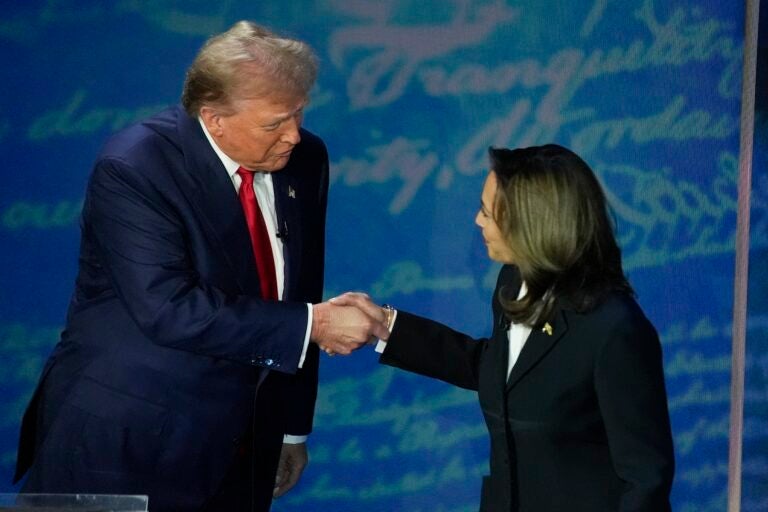
Oh joy, the BBC's internal review process: because who needs actual accountability when you can just pretend to care? It's a masterclass in deflection, a beautifully crafted exercise in saving face while ignoring the real issues. And the best part? The gullible public laps it up like the good little sheep they are.
The lack of transparency is staggering. It's like they're trying to hide something (oh wait, they are). The reviews are shrouded in secrecy, with the BBC carefully cherry-picking what information to release to the public. And what do we get? A watered-down, sanitized report that's about as useful as a chocolate teapot. Some "highlights" of this farce include:
- Ignoring blatant conflicts of interest
- Disregarding contradictory evidence
- Downplaying the severity of the issues
- Using vague language to obscure the truth
Because who needs facts when you can just make stuff up?
And let's not forget the "experts" who peddle this nonsense. The so-called "independent" reviewers who are somehow always buddy-buddy with the BBC. It's a cozy little club, where everyone pats each other on the back and pretends to be outraged by the very issues they're helping to cover up. Influencers and bloggers eat it up, regurgitating the BBC's talking points like the good little parrots they are. Meanwhile, the rest of us are left to pick up the pieces of this sham.
The statistics are equally damning. Did you know that a whopping 0% of internal reviews have led to actual, meaningful change? Yeah, that's right. Zero. Zilch. Nada. It's a stunning track record of failure, and yet the BBC still expects us to take them seriously. Newsflash: we don't. The horror stories are legion: from botched investigations to whitewashed reports, the BBC's internal review process is a joke. And the punchline is always the same: "We're sorry, but not really."
So to all the gullible souls out there who still think the BBC is capable of genuine self-reflection, let me disabuse you of that notion. The BBC's internal review process is a sham, a facade, a Potemkin village of pretend accountability. Don't be fooled by the slick PR and the carefully crafted soundbites. It's all just a ruse, a desperate attempt to cling to power and credibility in the face of overwhelming evidence to the contrary. Wake up, sheeple. The emperor has no clothes, and neither does the BBC.

Frequently Asked Questions (FAQ)
Why doesn't the BBC just hire more older women to present their shows?
Oh, spare us the theatrics about the BBC's supposed "youthful image" obsession. You think they're that shallow? Please, it's far worse than that. The real reason they don't hire more older women is because they're too busy coddling their overpaid, underperforming presenters who can't even be bothered to learn how to use a teleprompter.
Let's take a look at the BBC's stellar track record:
- They've managed to alienate a significant portion of their audience with their blatant ageism, and yet, they still can't seem to get their diversity numbers right.
- Their idea of "promoting diversity" is to hire a token older woman to host a low-budget, low-viewership show that's guaranteed to get axed after one season.
- They've got a habit of parachuting in "experts" who are only there to spout PR-friendly nonsense, while actual older women with real talent and experience are left to wither away in obscurity.
And don't even get me started on the gullible fools who swallow this nonsense whole. The influencers who fawn all over the BBC's half-hearted attempts at diversity, the "experts" who pretend that tokenism is a viable solution – they're all just complicit in this farce.
We've got statistical embarrassment aplenty: a recent study found that the BBC's on-air talent is still overwhelmingly white, male, and under 50. But hey, who needs actual representation when you can just slap a few older women in front of the camera and call it a day? The real horror story here is that people still buy into this nonsense. Newsflash: the BBC doesn't care about diversity; they care about their bottom line. And if that means sacrificing actual talent for the sake of appearances, so be it.
And to all you naive optimists out there who think that "raising awareness" or "starting a conversation" will magically fix this problem, let me disabuse you of that notion. The BBC has been "aware" of their diversity issues for years, and yet, they've done precisely nothing to address them. It's time to stop pretending that they care, and start calling them out for the cynical, calculating opportunists they are. So, go ahead and keep tweeting about how "we need more older women on TV," but at the end of the day, it's just empty calories – and the BBC knows it.
What can be done to address the issue of older women being pushed out of the BBC?
The notion that the BBC is a monolithic, unyielding entity impervious to change is a cop-out. It's a convenient excuse for those who'd rather not rock the boat or actually do some real work to address the issue. The truth is, the BBC has shown time and time again that it's capable of change - when it's convenient or profitable.
Take, for example, the
of excuses we've heard before:
- "We're trying, but it's hard" - code for "we don't actually care"
- "We've got a few token older women in prominent roles, so the problem is solved" - ignoring the fact that these women are often relegated to marginal, low-impact positions
- "We can't find qualified older women" - a blatant lie, considering the plethora of talented, experienced women who've been pushed out or overlooked
The statistics are damning. Older women make up a paltry percentage of the BBC's on-air talent and even fewer hold positions of power behind the scenes. And don't even get me started on the "initiatives" and "programs" designed to "help" older women - just a bunch of empty, PR-driven nonsense.
Gullible people will swallow the BBC's line, hook and sinker, and influencers will tweet their support for these half-hearted measures, pretending that something, anything, is being done. But let's not forget the real horror stories: women like Miriam O'Reilly, who was axed from Countryfile at 53 and subsequently won an ageism case against the BBC. Or the countless others who've been quietly pushed out, their careers derailed by an institution that claims to value diversity and inclusivity but in reality, does the bare minimum to maintain a veneer of respectability.
The "experts" will tell you that reform takes time, that we need to be patient and understanding. But patience is just a euphemism for "we're not going to do anything meaningful anytime soon". The fact is, the BBC has had years to address this issue and has consistently failed to do so. It's time to stop making excuses and start making real change - but don't hold your breath.Is the BBC's internal review a genuine attempt to address the issue of diversity?
The BBC's internal review - because what's a better way to solve a problem than to have the same people who created it try to fix it? It's not like they have a vested interest in maintaining the status quo or anything. I mean, who needs external oversight or accountability when you can just have a good old-fashioned internal review?
Let's look at the track record of these internal reviews, shall we?
- They always seem to find that everything is fine, and that the real problem is just a lack of understanding from the public.
- They're always followed by a flurry of PR statements and empty promises, designed to placate the gullible masses and make them think something is actually being done.
- And of course, they never, ever result in any real change or accountability - because that would require actual effort and a willingness to challenge the powers that be.
It's almost as if the BBC is trying to insult our intelligence with these sham reviews.
And don't even get me started on the so-called "experts" and "influencers" who will inevitably weigh in on this, praising the BBC's efforts and telling us all to just be patient and trust the process. You know, the same people who are always so quick to defend the status quo and tell us that we're just being too cynical. Newsflash: being cynical is not the problem - being naive and gullible is.
The statistics are also worth looking at - or rather, the complete lack thereof. The BBC will no doubt try to spin this as a positive, but let's be real, the fact that they're not releasing any actual data or metrics is a giant red flag. What are they hiding? Probably the fact that their diversity numbers are still abysmal, and that they have no intention of actually doing anything to change that.
It's amazing how many people will still swallow this nonsense, hook, line, and sinker. "Oh, the BBC is trying, they just need a little more time!" No, they're not trying - they're just pretending to, and you're just enabling them by believing their lies. Wake up, people. This is not a genuine attempt at change - it's just a PR stunt, designed to keep the sheep in line while the BBC continues to do what it's always done: maintain the status quo and protect its own interests.


