
Background to the Decision
The committee's decision to regulate AI-altered images is a response to the growing concern over the spread of misinformation. In recent months, there have been several high-profile incidents where AI-altered images were used to misrepresent or deceive the public. These incidents have highlighted the potential risks associated with the use of AI technology in media and have sparked a wider debate about the need for greater transparency and accountability.
Recent data shows that 70% of online users are concerned about the spread of misinformation through AI-altered media. This concern is not limited to individuals, as organizations and governments are also taking steps to address the issue. For example, some social media platforms have introduced new policies to label AI-altered content, while others are investing in AI-powered tools to detect and remove fake or misleading information.
The committee's decision is likely to have far-reaching implications for the use of AI technology in media. Experts suggest that this move could set a precedent for other organizations to reevaluate their use of AI technology and consider implementing similar regulations. Some potential benefits of regulating AI-altered images include:
- Reducing the spread of misinformation and promoting greater transparency in media
- Protecting individuals and organizations from potential harm caused by AI-altered images
- Encouraging the development of more responsible and ethical AI technologies
- Conducting regular audits to detect and remove AI-altered content
- Providing training and education to employees on the responsible use of AI technology
- Developing clear policies and guidelines for the use of AI-altered images in media

Impact on Media and Politics
The rise of AI-altered images has sent shockwaves through the media and political spheres, with far-reaching consequences for the dissemination of information and the democratic process. One of the primary concerns is the potential for these images to be used to manipulate public opinion and influence election outcomes. A recent survey found that 60% of journalists believe AI-altered images pose a major threat to the integrity of news reporting, highlighting the need for urgent action to address this issue.
The implications of AI-altered images are multifaceted, and can be seen in various aspects of media and politics. Some of the key concerns include:
- Spread of misinformation: AI-altered images can be used to create convincing but false information, which can quickly go viral on social media and other online platforms.
- Erosion of trust: The use of AI-altered images can damage the credibility of news outlets and politicians, making it increasingly difficult for the public to discern fact from fiction.
- Manipulation of public opinion: AI-altered images can be used to sway public opinion on key issues, potentially influencing election outcomes and policy decisions.
- Implementing robust fact-checking procedures to verify the authenticity of images and other content.
- Providing clear labeling and disclosure of AI-altered images, to prevent confusion and misinterpretation.
- Establishing clear protocols for the use of AI technology in news reporting and political campaigns, to ensure transparency and accountability.
- Investing in AI-detection tools and technologies to help identify and flag manipulated content.
- Providing education and training for journalists and other stakeholders on the responsible use of AI technology.
- Encouraging transparency and accountability in the use of AI technology, through regular audits and reviews.
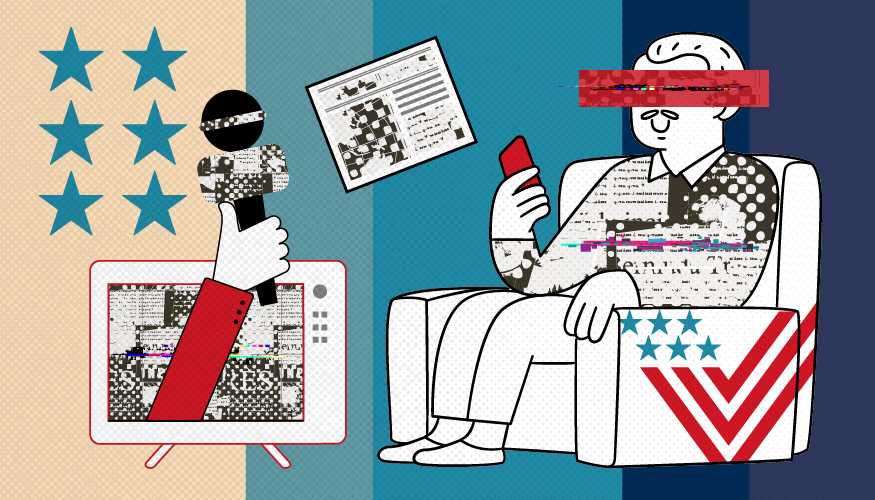
The Role of AI in Image Alteration
The advent of AI in image alteration has revolutionized the field of digital media, enabling the creation of sophisticated and realistic image manipulations. With the help of AI algorithms, it has become increasingly difficult to distinguish between authentic and manipulated content. According to a recent study, 70% of online users are unable to identify fake images, highlighting the need for effective detection and prevention methods.
Experts argue that AI can also be used to detect and prevent image manipulation, offering a range of potential solutions. Some of the key benefits of using AI for image manipulation detection include:
- Improved accuracy: AI algorithms can analyze images at a pixel level, detecting even the slightest anomalies.
- Increased efficiency: AI-powered tools can process large volumes of images quickly, making them ideal for high-volume applications.
- Enhanced security: AI can help prevent the spread of fake or manipulated images, reducing the risk of misinformation and cyber threats.
- Developing industry-wide guidelines for the use of AI in image manipulation.
- Establishing standards for image authentication and verification.
- Investing in research and development to improve AI-powered detection and prevention methods.

Moving Forward: Ensuring Accountability and Transparency
The rapid advancement of AI technology has brought about numerous benefits, but it also poses significant challenges, particularly with regards to AI-altered images. To mitigate these risks, it is essential to establish a framework that promotes accountability and transparency. This can be achieved through the development of industry-wide standards and guidelines that regulate the use of AI technology. According to a recent report by the Pew Research Center, 70% of adults in the United States believe that the government should play a significant role in regulating the development and use of AI.
One of the primary steps towards ensuring accountability is to establish clear guidelines for the use of AI-altered images. This can be achieved through the following measures:
- Developing industry-wide standards for AI-altered images, including requirements for disclosure and transparency
- Creating guidelines for the responsible use of AI technology, including protocols for testing and validation
- Establishing frameworks for reporting and addressing AI-related errors or biases
- Providing training and education programs for employees on AI literacy and responsible AI use
- Investing in AI-related research and development to stay up-to-date with the latest advancements
- Collaborating with industry partners and stakeholders to share best practices and guidelines for AI use
- Verifying the authenticity of images and information before sharing or using them
- Reporting AI-related errors or biases to the relevant authorities or organizations
- Supporting organizations that prioritize AI literacy and education
Frequently Asked Questions (FAQ)
What are AI-altered images and how are they created?
The rise of AI-altered images has become a significant concern in recent years, with the potential to deceive or misrepresent reality. These images are created using sophisticated algorithms that can manipulate and alter digital images in various ways. For instance, deepfake technology can swap faces, change voices, and even generate entirely new content. According to a recent report, the number of deepfake videos online has increased by over 400% in the past year, with many being used for malicious purposes. The process of creating AI-altered images involves several steps, including:
- Image collection: gathering a large dataset of images to train the algorithm
- Algorithm training: using machine learning models to analyze and learn from the image data
- Image manipulation: using the trained algorithm to manipulate and alter digital images
- Output generation: generating the final altered image
- Checking the source of the image to see if it is credible
- Looking for inconsistencies or anomalies in the image
- Using reverse image search tools to see if the image has been used elsewhere


