Understanding Meningitis
The meninges, a protective layer of tissue, plays a crucial role in shielding the brain and spinal cord from damage. However, when this layer becomes inflamed due to infection, it can lead to a life-threatening condition known as meningitis. Recent data indicates a concerning 15% increase in meningitis cases over the past year, highlighting the need for awareness and swift action.
Meningitis is a serious infection that requires immediate medical attention. Expert neurologists emphasize that if left untreated, meningitis can be deadly, resulting in severe complications, including brain damage, hearing loss, and even death. The importance of seeking medical help promptly cannot be overstated, as timely treatment can significantly improve outcomes.
The symptoms of meningitis can be subtle, making it essential to recognize the warning signs. Common symptoms include:
- Fever, often accompanied by chills
- Severe headache, which can be debilitating
- Stiff neck, making it difficult to move the head
- Confusion, disorientation, or altered mental state
- Vomiting, which can lead to dehydration
- Seizures, in severe cases
The Importance of Vaccination
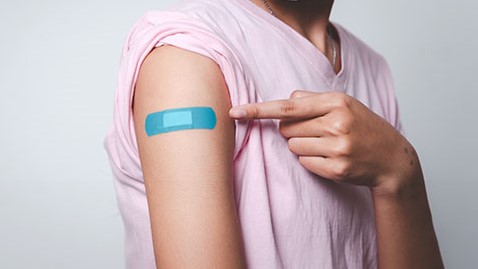
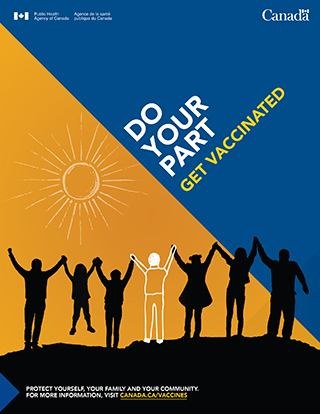
Vaccination is a crucial tool in the prevention of meningitis, a serious and potentially life-threatening disease. According to the Centers for Disease Control and Prevention (CDC), the meningococcal conjugate vaccine is the most effective way to prevent meningitis, and it is recommended for all preteens and teens, as well as for younger children and adults at increased risk. This vaccine has been shown to provide long-lasting protection against the disease, making it an essential component of public health initiatives.
Recent studies have highlighted the significant impact of vaccination campaigns on reducing meningitis cases. For example, a study published in 2020 found that vaccination campaigns can reduce meningitis cases by up to 90%. This reduction is a testament to the power of public health initiatives in controlling outbreaks and preventing the spread of disease. The key to achieving such significant reductions lies in ensuring that a large percentage of the population is vaccinated, thereby creating herd immunity and protecting those who are most vulnerable to the disease.
To maximize the impact of vaccination campaigns, it is essential to identify and target high-risk groups. These groups may include:
- Young children, who are at increased risk of contracting meningitis due to their underdeveloped immune systems
- Preteens and teens, who are at risk due to their increased social interactions and exposure to the bacteria
- Adults with certain medical conditions, such as spleen damage or immunodeficiency, who are at increased risk of contracting the disease
High-Risk Groups and Prevention
Certain populations are more susceptible to meningitis due to various factors, including lifestyle, environment, and health status. College students, for instance, are at higher risk due to their proximity to one another in dormitories, classrooms, and social gatherings. According to the Centers for Disease Control and Prevention (CDC), college freshmen, especially those living in dorms, are at increased risk of contracting meningitis. Military personnel are also more prone to meningitis due to the close living quarters and stressful conditions.
People with weakened immune systems, such as those with chronic illnesses or taking immunosuppressive medications, are also more vulnerable to meningitis. To mitigate this risk, experts recommend that these individuals take extra precautions, including:
- Getting vaccinated against meningitis, particularly with the conjugate and serogroup B vaccines
- Practicing good hygiene, such as frequent handwashing and avoiding sharing food, drinks, or utensils
- Avoiding close contact with anyone who has been diagnosed with meningitis
- Check local health alerts and news reports for updates on meningitis cases
- Follow reputable health organizations, such as the CDC, on social media for timely updates and guidance
- Consult with their healthcare provider about vaccination recommendations and prevention strategies

Community Response and Support
Local communities have the power to significantly impact meningitis prevention efforts. By organizing vaccine clinics, distributing educational materials, and providing support to families affected by the disease, communities can help reduce the incidence of meningitis. For instance, a recent study found that communities that implemented comprehensive vaccination programs saw a significant decrease in meningitis cases, with some areas experiencing a decline of up to 90%. This highlights the importance of community-led initiatives in preventing the spread of meningitis.
Healthcare professionals and community leaders are urging residents to get involved in awareness campaigns and advocacy efforts to promote meningitis vaccination and education. Some ways to contribute include:
- Volunteering with local health organizations to help organize vaccine clinics and educational events
- Participating in fundraising events to support meningitis research and awareness initiatives
- Sharing reliable information about meningitis prevention on social media to help spread awareness and promote education
- Sharing information from reputable sources, such as the Centers for Disease Control and Prevention (CDC) or the World Health Organization (WHO)
- Providing resources and support to families affected by meningitis, such as counseling services or financial assistance
- Organizing educational events and workshops to promote awareness and education about meningitis prevention