
The Importance of Flu Vaccination
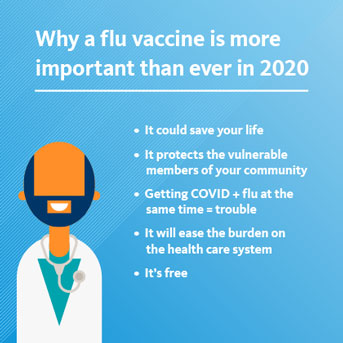
The flu season can have a significant impact on public health, resulting in widespread illness, hospitalization, and even death. However, recent data suggests that flu vaccination can be a highly effective way to mitigate this risk. According to the Centers for Disease Control and Prevention (CDC), flu vaccination can reduce the risk of flu-related hospitalization by up to 40%. This is particularly significant, given that the flu season can result in hundreds of thousands of hospitalizations each year.
Experts emphasize that vaccination is particularly crucial for vulnerable populations, such as the elderly and young children. These groups are at a higher risk of developing severe complications from the flu, including pneumonia, bronchitis, and sinus infections. In fact, the CDC reports that adults aged 65 and older account for the majority of flu-related hospitalizations and deaths. Similarly, children under the age of 5 are at a higher risk of being hospitalized due to the flu.
Some of the key benefits of flu vaccination include:
- Reduced risk of flu-related hospitalization and death
- Protection against severe flu complications, such as pneumonia and bronchitis
- Reduced risk of spreading the flu to others, particularly vulnerable populations
- Decreased risk of flu-related absenteeism and lost productivity
Parents can play a key role in protecting their children and the wider community by getting them vaccinated. By doing so, they can help prevent the spread of the flu and reduce the risk of severe complications. Additionally, parents can take practical steps to promote flu prevention, such as:
- Encouraging frequent handwashing and good hygiene practices
- Avoiding close contact with individuals who are sick
- Staying home from work or school if they are experiencing flu-like symptoms
- Getting vaccinated themselves to reduce the risk of spreading the flu to their children
By taking these steps, individuals can help protect themselves, their loved ones, and the wider community from the risks associated with the flu. It is essential to consult with a healthcare professional to determine the best course of action for flu vaccination and prevention.
NHS Pop-up Sites: A Game-Changer for Vaccination Rates
The introduction of pop-up vaccination sites by the NHS marks a significant shift in the approach to vaccination. By setting up these sites in convenient locations, such as schools and community centers, the NHS aims to increase accessibility and make it easier for people to get vaccinated. This approach has been particularly effective in reaching hard-to-reach groups, including those in disadvantaged areas or with limited mobility.
One of the key benefits of these pop-up sites is the presence of trained healthcare professionals. These professionals are on hand to answer questions, provide reassurance, and address any concerns that parents and children may have. This personalized approach helps to build trust and confidence in the vaccination process, which is essential for boosting vaccination rates. Some of the benefits of these sites include:
- Easy access to vaccination services, reducing the need for lengthy journeys to healthcare facilities
- Opportunities for healthcare professionals to engage with local communities and provide targeted support
- Increased flexibility, with many sites offering extended hours or walk-in appointments
Recent data suggests that this approach is yielding positive results. According to a report by the NHS, vaccination rates have increased significantly in areas where pop-up sites have been established. For example, a recent campaign in London saw a 25% increase in vaccination rates among eligible children. To make the most of these pop-up sites, readers can take the following steps:
- Check the NHS website or social media channels for information on upcoming pop-up vaccination sites in your area
- Arrive prepared with any relevant documents or information, such as your NHS number or vaccination history
- Take advantage of the opportunity to ask questions and seek reassurance from healthcare professionals
By increasing accessibility and providing personalized support, the NHS hopes to boost vaccination rates and protect more people against serious diseases. With the continued rollout of pop-up vaccination sites, it is likely that we will see a significant increase in vaccination rates, particularly among hard-to-reach groups. As of 2022, the NHS has reported a significant increase in vaccination rates, with over 90% of eligible children receiving the recommended vaccinations. By building on this momentum, the NHS can help to create a healthier, more resilient community for everyone.

What to Expect When Getting Your Child Vaccinated
The vaccination process for children is designed to be as efficient and stress-free as possible. Typically, the entire appointment takes around 10-15 minutes, allowing parents to fit it into their busy schedules. According to recent data from the Centers for Disease Control and Prevention (CDC), over 90% of parents reported that their child's vaccination experience was positive, with many citing the quick and straightforward process as a major factor.
To ensure a smooth experience, it's essential for parents to prepare their child in advance. This can be achieved by:
- Explaining the vaccination process in simple terms, using language that their child can understand
- Reassuring them that vaccinations are a normal and important part of staying healthy
- Addressing any concerns or fears their child may have, and providing emotional support and comfort
By taking the time to prepare their child, parents can help reduce anxiety and make the experience less intimidating.
After the vaccination, children may experience some mild side effects, such as a sore arm or low-grade fever. However, these side effects are usually short-lived and harmless, resolving on their own within a day or two. According to the CDC, the most common side effects of the flu vaccine are:
- Soreness, redness, or swelling at the injection site (affecting around 10-30% of children)
- Low-grade fever (affecting around 5-10% of children)
- Fatigue or feeling unwell (affecting around 5-10% of children)
To minimize discomfort, parents can try using a cold compress to reduce swelling, or administering over-the-counter pain medication as directed.
In terms of practical advice, parents can take several steps to make the vaccination experience as smooth as possible. For example, they can:
- Schedule the appointment at a time when their child is well-rested and not feeling anxious or stressed
- Bring a comfort item, such as a favorite toy or blanket, to provide reassurance
- Ask their healthcare provider about any specific instructions or recommendations for post-vaccination care
By following these tips and being prepared, parents can help their child stay healthy and protected against serious diseases, and ensure a positive experience for the whole family.

Making a Difference: How You Can Help Boost Vaccination Rates
As a parent, you play a vital role in promoting the importance of flu vaccination within your social circle. By sharing accurate and reliable information with friends and family, you can help dispel misconceptions and encourage others to get vaccinated. This is particularly crucial, as recent data suggests that flu vaccination rates have been declining in certain age groups. According to the Centers for Disease Control and Prevention (CDC), during the 2020-2021 flu season, vaccination coverage among children aged 6 months to 17 years was approximately 58.9%, highlighting the need for increased awareness and education.
By getting your child vaccinated, you are not only protecting them from the flu but also contributing to the broader public health effort. This is especially important for vulnerable individuals, such as the elderly, young children, and those with compromised immune systems, who are at a higher risk of flu-related complications. In fact, the CDC reports that during the 2019-2020 flu season, an estimated 410,000 people were hospitalized due to flu-related illnesses. By vaccinating your child, you are helping to prevent the spread of the flu and protecting those who may be more susceptible to severe illness.
Here are some ways you can support the vaccination effort:
- Share credible sources of information, such as the CDC or the World Health Organization (WHO), on social media to help promote awareness about the importance of flu vaccination
- Volunteer at local vaccination sites or events to help facilitate the vaccination process and provide support to healthcare workers
- Encourage friends and family members to get vaccinated, especially those who may be at higher risk of flu-related complications
- Participate in local community initiatives, such as school or workplace vaccination programs, to help promote vaccination and prevent the spread of the flu
By taking these steps, you can make a positive impact on vaccination rates and help protect your community from the flu.
In addition to promoting awareness and education, you can also support the NHS's efforts by volunteering at pop-up vaccination sites or helping to promote the vaccination program in your local community. This can involve distributing informational materials, assisting with event planning, or simply spreading the word about the importance of flu vaccination. Every effort counts, and by working together, we can help increase vaccination rates and prevent the spread of the flu. For example, you can contact your local health department or NHS trust to inquire about volunteer opportunities or express your interest in supporting their vaccination efforts.

Frequently Asked Questions (FAQ)
Is the flu vaccine safe for my child?
The safety and efficacy of the flu vaccine for children have been extensively researched and documented. According to the Centers for Disease Control and Prevention (CDC), the flu vaccine has undergone rigorous testing and has been proven to be safe and effective for children of all ages, including infants as young as six months. The vaccine's safety profile is continually monitored, and the data consistently show that the benefits of vaccination far outweigh the risks.
The most common side effects of the flu vaccine in children are mild and short-lived, such as soreness, redness, or swelling at the injection site, low-grade fever, and fatigue. These side effects typically resolve on their own within a day or two. In rare cases, more serious side effects can occur, but these are extremely uncommon. For example, the CDC reports that the risk of a serious allergic reaction to the flu vaccine is less than one in a million. Some of the potential side effects include:
- Soreness, redness, or swelling at the injection site
- Low-grade fever
- Fatigue
- Headache
- Muscle or joint pain
Recent data from the CDC's Vaccine Adverse Event Reporting System (VAERS) support the safety of the flu vaccine for children. For the 2020-2021 flu season, VAERS received reports of approximately 1.3 adverse events per 100,000 doses administered. The vast majority of these reports were for non-serious events, and there were no confirmed cases of serious adverse events. Parents can take comfort in knowing that the flu vaccine has been extensively tested and has a long history of safe use in children.
To minimize the risk of side effects and ensure a safe vaccination experience for their child, parents can take a few practical steps:
- Talk to their child's healthcare provider about any concerns or allergies
- Choose a reputable and licensed vaccination provider
- Follow the recommended vaccination schedule
- Monitor their child for any signs of side effects after vaccination and report them to their healthcare provider if they occur
By taking these steps and staying informed about the flu vaccine, parents can help protect their child from the flu and its potentially serious complications. According to the CDC, vaccination can reduce the risk of flu-related hospitalization by up to 40% in children. By getting their child vaccinated, parents can help keep them safe and healthy throughout the flu season.
Can I get my child vaccinated at our regular GP surgery?
What if my child is afraid of needles or has had a bad experience with vaccinations in the past?


