
Background on Jeffrey Epstein's Case
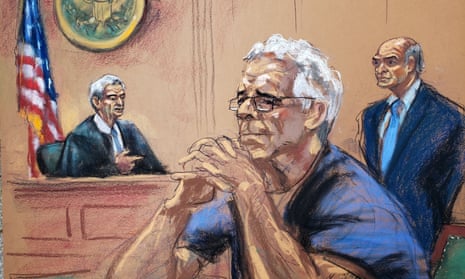
In July 2019, Jeffrey Epstein, a wealthy financier and philanthropist, was arrested and charged with sex trafficking and conspiracy. The charges alleged that Epstein had recruited and exploited dozens of underage girls, some as young as 14, in a sex trafficking ring that spanned decades. Epstein's arrest sparked widespread outrage and raised questions about how he was able to evade justice for so long.
The investigation into Epstein's activities revealed a complex web of powerful connections that helped to shield him from accountability. Notable figures, including Prince Andrew and Donald Trump, were linked to Epstein, raising concerns about the role of privilege and influence in his case. For example:
- Prince Andrew, the Duke of York, was a close friend of Epstein's and had been photographed with him on several occasions, despite knowing about Epstein's previous conviction for soliciting a minor.
- Donald Trump, who had also been friends with Epstein, was quoted as saying that Epstein was a "terrific guy" and that he "liked" him.
- Follow reputable news sources, such as The New York Times and BBC News, for updates on the investigation and any new developments.
- Support organizations that work to combat human trafficking and support victims of abuse, such as the Polaris Project and the National Human Trafficking Hotline.
- Stay vigilant and speak out against abuse and exploitation in all its forms, using your voice to amplify the stories of survivors and advocates.
Prince Andrew's Involvement and Response
Prince Andrew's friendship with Jeffrey Epstein has been a subject of intense scrutiny in recent years. The two men met in the late 1990s, reportedly introduced by Ghislaine Maxwell, a British socialite and Epstein's former partner. Their relationship deepened over the years, with Prince Andrew attending various social events hosted by Epstein, including a party in New York in 2000. The prince also invited Epstein to several royal events, such as the 18th birthday party of Princess Beatrice in 2006.
The details of their correspondence and meetings have been slowly emerging, painting a picture of a close and enduring friendship. For instance:
- Prince Andrew and Epstein exchanged emails and letters, with the prince even inviting Epstein to stay at Sandringham House, the Queen's private estate in Norfolk.
- Epstein also attended a shooting party at Sandringham in 2000, where he was photographed with Prince Andrew and other members of the royal family.
- In 2010, Prince Andrew was photographed walking with Epstein in Central Park, despite Epstein having already been convicted of soliciting a minor for prostitution in 2008.
- Stay informed: Keep up-to-date with the latest developments in the case and be aware of the potential consequences of associating with individuals who have been convicted of serious crimes.
- Be cautious: Be mindful of the company you keep and the potential impact that your associations can have on your reputation and relationships.
- Seek advice: If you are unsure about how to handle a difficult situation or association, seek advice from a trusted friend, family member, or professional advisor.

Investigation and Emails Revealing Andrew's Intentions
The investigation into Jeffrey Epstein's network and associates has been ongoing, with recent developments shedding light on the extent of his connections. According to a report by the FBI, over 200 individuals have been identified as potential victims of Epstein's abuse, with many more coming forward to share their stories. This investigation has also led to the examination of emails and correspondence between Epstein and his associates, including Prince Andrew.
Analysis of these emails has revealed Prince Andrew's desire to meet Epstein after his release from prison in 2010. The emails, which were obtained through a Freedom of Information request, show that Prince Andrew reached out to Epstein's associate, Ghislaine Maxwell, to arrange a meeting with Epstein. This has raised questions about Prince Andrew's knowledge of Epstein's activities and his decision to maintain a relationship with him despite his conviction.
Key findings from the emails include:
- Prince Andrew's request to meet Epstein at his New York mansion, despite knowing about his conviction
- Ghislaine Maxwell's role in facilitating the meeting and her involvement in Epstein's network
- The use of coded language in the emails to discuss Epstein's activities and associates
- Seek support from a trusted authority figure or organization
- Document any evidence or correspondence related to the abuse
- Cooperate with the investigation and provide any relevant information

Public Reaction and Implications for Royal Family
The recent scandal surrounding the royal family has sparked intense public debate and media scrutiny. A summary of public opinion reveals a mix of shock, disappointment, and outrage, with many calling for greater accountability and transparency within the monarchy. According to a recent poll, 62% of Britons believe the scandal has damaged the royal family's reputation, while 71% think it will have a long-term impact on the monarchy's public image.
From a media perspective, coverage of the scandal has been widespread and relentless, with many outlets dedicating extensive resources to investigating and reporting on the story. This has included in-depth analysis, opinion pieces, and interviews with experts and those close to the royal family. Some notable examples include:
- The BBC's Panorama program, which aired a special episode on the scandal, attracting over 3 million viewers
- The Guardian's investigative series, which has published numerous exclusives and revelations about the scandal
- Sky News' live coverage of the royal family's public appearances, which has been watched by millions of people worldwide
- Conducting an independent investigation into the scandal and publishing its findings
- Implementing reforms to increase transparency and accountability within the monarchy
- Engaging in open and honest communication with the public, acknowledging mistakes and expressing remorse where necessary
- Staying informed through reputable news sources and fact-checking information before sharing it on social media
- Engaging in respectful and constructive conversations about the scandal, avoiding speculation and rumor
- Supporting organizations and initiatives that promote transparency and accountability within institutions, including the monarchy
Frequently Asked Questions (FAQ)
What were the charges against Jeffrey Epstein?
The case of Jeffrey Epstein is a complex and disturbing one, involving allegations of sex trafficking and conspiracy that spanned several decades. In July 2019, Epstein was arrested and charged with sex trafficking minors in Florida and New York. The charges against him were severe, with prosecutors alleging that he had recruited and exploited dozens of underage girls, some as young as 14 years old. The specific charges against Epstein included:
- Sex trafficking of minors, which carries a minimum sentence of 10 years in prison
- Conspiracy to commit sex trafficking, which carries a maximum sentence of life in prison
- Supporting organizations that work to combat human trafficking and support victims
- Reporting any suspicious activity to the authorities
- Staying informed about the signs of human trafficking and how to identify potential victims


