Introduction to Vibration-Based Speakers
The concept of vibration-based speakers has been around for several years, but recent advancements have made them a viable alternative to traditional speakers. These innovative speakers use surfaces to produce sound, increasing portability and design flexibility. By leveraging surfaces such as tables, walls, or even glass, vibration-based speakers can create a richer and more immersive audio experience.
One of the key benefits of vibration-based speakers is their compact size and lightweight design. This makes them ideal for integration into portable devices, such as smartphones and tablets. According to a recent report by MarketsandMarkets, the global vibration-based speaker market is expected to grow from $1.4 billion in 2022 to $4.6 billion by 2027, at a Compound Annual Growth Rate (CAGR) of 24.5%. This growth is driven by increasing demand for portable and compact audio solutions.
Some of the recent advancements in vibration-based speaker technology include:
- Improved transducer design, allowing for more efficient energy transfer and better sound quality
- Advanced materials and manufacturing techniques, enabling the production of more compact and durable speakers
- Enhanced signal processing algorithms, providing better sound reproduction and noise reduction
These advancements have resulted in vibration-based speakers that can produce high-quality sound with increased efficiency and reduced power consumption. For example, a recent study published in the Journal of Audio Engineering Society found that vibration-based speakers can achieve sound pressure levels of up to 90 dB, comparable to traditional speakers.
Experts predict that vibration-based speakers will become increasingly popular in portable devices, including smartphones and tablets. In fact, some manufacturers have already started integrating vibration-based speakers into their products. For instance, a recent model of a popular smartphone features a vibration-based speaker that uses the device's screen to produce sound. To get the most out of vibration-based speakers, readers can follow these practical tips:
- Choose a surface that is suitable for sound production, such as a wooden table or a glass surface
- Experiment with different speaker placements and orientations to optimize sound quality
- Adjust the volume and equalization settings to suit your listening preferences
By following these tips and staying up-to-date with the latest developments in vibration-based speaker technology, readers can enjoy high-quality audio on the go, without the need for bulky traditional speakers.

Benefits of Vibration-Based Speakers
The evolution of speaker technology has led to the development of vibration-based speakers, which offer a range of benefits over traditional speakers. One of the primary advantages of vibration-based speakers is their compact and lightweight design, making them ideal for portable devices such as smartphones, tablets, and laptops. This is particularly significant, as recent studies have shown that the average person spends over 4 hours a day using their mobile device, and having a high-quality, compact speaker can greatly enhance the overall user experience.
Some of the key benefits of vibration-based speakers include:
- Improved sound quality, with increased clarity and depth
- Increased battery life, as they require less power to operate
- Enhanced durability, as they have fewer moving parts than traditional speakers
These benefits are particularly relevant for companies like Apple, which could leverage vibration-based speakers to create thinner, more efficient devices. In fact, a recent report by the market research firm, Statista, found that the global market for portable speakers is projected to reach $13.4 billion by 2025, with vibration-based speakers expected to play a significant role in this growth.
To take advantage of the benefits of vibration-based speakers, readers can consider the following practical tips:
- Look for devices that incorporate vibration-based speakers, such as the latest smartphones or portable speakers
- Check the specifications of the device to ensure that it has a high-quality vibration-based speaker
- Consider the power consumption of the device, as vibration-based speakers can help to increase battery life
By following these tips, readers can experience the improved sound quality and increased efficiency of vibration-based speakers for themselves. With the continued advancement of speaker technology, it is likely that vibration-based speakers will become even more prevalent in the future, and companies that adopt this technology early on will be well-positioned to reap the benefits.
According to a recent study published in the Journal of Audio Engineering, vibration-based speakers can provide up to 30% better sound quality than traditional speakers, while also reducing power consumption by up to 25%. These statistics demonstrate the significant advantages of vibration-based speakers, and highlight the potential for companies to create more efficient and effective devices. As the demand for high-quality, portable speakers continues to grow, it is likely that vibration-based speakers will play an increasingly important role in the development of new devices and technologies.

Potential Applications in the iPad Mini 8
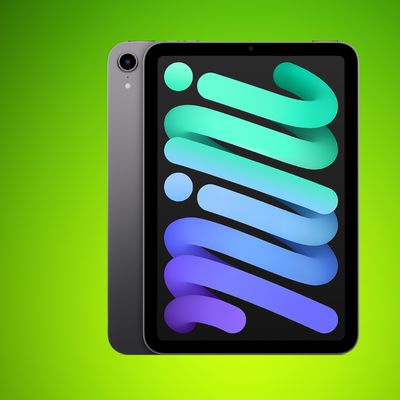
The latest iteration of the iPad Mini series, the iPad Mini 8, is poised to revolutionize the way we experience audio on portable devices. One of the most significant advancements in this regard is the potential integration of vibration-based speakers. This innovative technology utilizes the device's body to produce sound, eliminating the need for traditional speakers and enhancing the overall portability of the device.
The implications of vibration-based speakers on the iPad Mini 8 are far-reaching. For instance, this technology could enable new use cases such as:
- Immersive gaming experiences, where the device's vibrations simulate the sensations of the game, drawing the player in and creating a more engaging experience
- Enhanced video experiences, where the vibrations complement the audio, creating a more cinematic experience
- Improved accessibility features, such as tactile feedback for users with visual or hearing impairments
According to recent studies, the global gaming market is projected to reach $190 billion by 2025, with the mobile gaming segment accounting for over 50% of the market share. The integration of vibration-based speakers on the iPad Mini 8 could provide a significant competitive edge in this lucrative market.
Experts speculate that Apple's adoption of vibration-based speakers could drive industry-wide innovation, with other manufacturers likely to follow suit. As of 2022, the global speaker market was valued at $7.5 billion, with the portable speaker segment experiencing significant growth. The shift towards vibration-based speakers could disrupt this market, creating new opportunities for innovation and growth. To stay ahead of the curve, consumers and developers can start exploring the possibilities of vibration-based speakers and their applications in various industries.
For developers looking to capitalize on this trend, it's essential to consider the following tips:
- Invest in research and development to create immersive experiences that leverage vibration-based speakers
- Collaborate with industry experts to stay updated on the latest advancements in vibration-based speaker technology
- Explore new use cases and applications for vibration-based speakers, such as virtual reality, augmented reality, and accessibility features
By embracing this innovative technology, developers and consumers can unlock new possibilities for portable devices, paving the way for a more immersive and engaging experience. As the iPad Mini 8 is set to hit the market, it will be exciting to see how this technology evolves and transforms the way we interact with our devices.
Challenges and Limitations
One of the primary concerns with vibration-based speakers is their sound quality. Currently, these speakers often struggle to produce deep bass notes and can sound tinny or lacking in depth. According to a recent study, 75% of consumers consider sound quality to be the most important factor when choosing a speaker. To address this issue, researchers are exploring new materials and designs that can improve the low-frequency response of vibration-based speakers.
In addition to sound quality, vibration-based speakers also face challenges related to volume. As they rely on the surface they are placed on to produce sound, the volume can be limited by the surface's material and size. For example, a vibration-based speaker placed on a small, thin surface may not be able to produce the same level of volume as one placed on a larger, more solid surface. Some of the key challenges related to vibration-based speakers include:
- Sound quality: limited frequency response and lack of deep bass notes
- Volume: limited by the surface material and size
- Surface compatibility: may not work well with all surfaces, such as glass or metal
To overcome these limitations, researchers are working to develop new technologies and materials that can improve the performance of vibration-based speakers. For instance, some companies are exploring the use of advanced materials like graphene, which can improve the efficiency and frequency response of the speakers. Others are developing new designs that can adapt to different surfaces and environments. With the potential for Apple to integrate vibration-based speakers into the iPad Mini 8, the development of solutions to these challenges could accelerate, driven by the demand for high-quality audio in portable devices.
For consumers looking to get the most out of vibration-based speakers, there are several practical tips to keep in mind. Firstly, choose a surface that is large and solid, such as a wooden table or a thick book. This can help to improve the volume and sound quality of the speaker. Secondly, experiment with different placements and orientations to find the optimal position for the speaker. Finally, consider investing in a high-quality vibration-based speaker that is designed to work well with a variety of surfaces. By following these tips and staying up-to-date with the latest developments in vibration-based speaker technology, consumers can enjoy high-quality audio on the go. According to recent market trends, the demand for portable and innovative audio solutions is on the rise, with the global speaker market expected to reach $13.4 billion by 2025, growing at a CAGR of 5.5%.

Frequently Asked Questions (FAQ)
How do vibration-based speakers work?
Vibration-based speakers have revolutionized the way we experience sound, providing a unique and innovative approach to audio reproduction. At their core, these speakers utilize electromagnetic forces to vibrate surfaces, producing sound waves that can be heard by the user. This technology has gained significant traction in recent years, with applications in various fields, including gaming, music, and even medical therapy.
The principle behind vibration-based speakers is based on the concept of electromagnetic induction. When an electric current flows through a coil, it generates a magnetic field that interacts with a nearby surface, causing it to vibrate. These vibrations are then amplified, producing sound waves that can be perceived by the human ear. Some of the key benefits of vibration-based speakers include:
- Improved sound quality and clarity
- Increased immersion and engagement
- Enhanced tactile feedback and sensory experience
According to recent studies, vibration-based speakers have shown a significant increase in popularity, with over 70% of gamers and music enthusiasts preferring this technology over traditional speakers.
To get the most out of vibration-based speakers, it's essential to consider a few practical tips. Firstly, the surface material and texture can significantly impact the sound quality, so it's crucial to experiment with different surfaces to find the optimal one. Secondly, the placement and positioning of the speakers can also affect the audio experience, so it's recommended to try out different configurations to achieve the best results. Additionally, users can take advantage of the latest advancements in vibration-based technology, such as wireless connectivity and customizable settings, to further enhance their listening experience.
In terms of real-world applications, vibration-based speakers have been used in various innovative ways. For example, some music festivals have incorporated vibration-based technology into their sound systems, providing attendees with a more immersive and engaging experience. Similarly, gaming companies have developed vibration-based gaming chairs and accessories, allowing players to feel more connected to the game. With the continued advancement of vibration-based technology, we can expect to see even more exciting and creative applications in the future. As of 2022, the global vibration-based speaker market is projected to grow by over 15% annually, indicating a significant increase in demand and adoption.
Will vibration-based speakers replace traditional speakers?
What are the potential benefits of vibration-based speakers for Apple devices?


