Background to the Conflict
The conflict in El Fasher is a complex issue with deep-seated roots in ethnic and political tensions. For decades, the region has been plagued by divisions along ethnic lines, with various groups vying for power and resources. These tensions have been further exacerbated by external factors, including competition for scarce resources such as water and land, as well as geopolitical interests from neighboring countries.
Some of the key factors contributing to the conflict include:
- Resource competition: The scarcity of resources such as water, land, and minerals has led to increased competition among ethnic groups, further fueling tensions.
- Geopolitical interests: The region's strategic location has made it a focal point for external powers, with various countries seeking to exert their influence and control over the area.
- Ethnic and political tensions: Longstanding divisions along ethnic and political lines have created an environment of mistrust and hostility, making it difficult to achieve lasting peace.
- Stay informed: Educate yourself about the conflict and its root causes, and stay up-to-date with recent developments.
- Support local initiatives: Donate to or volunteer with organizations that are working to promote dialogue, reconciliation, and economic development in the region.
- Advocate for policy change: Contact your representatives and advocate for policies that support a comprehensive peace process and address the root causes of the conflict.
Humanitarian Crisis Unfolds
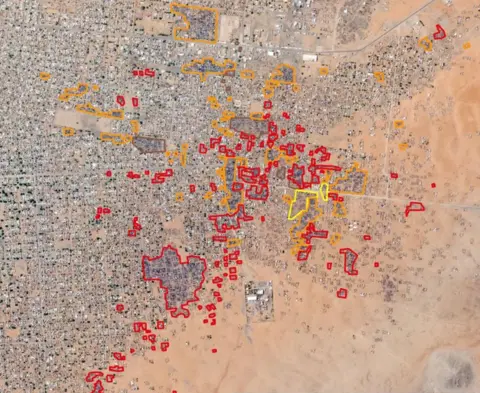
The situation in El Fasher is rapidly deteriorating, with the humanitarian crisis deepening by the day. Thousands of civilians have been displaced, injured, or killed, and essential services such as healthcare and education have been severely disrupted. According to recent reports, over 10,000 people have been displaced in the past month alone, with many more at risk of being affected.
Expert opinions from humanitarian organizations emphasize the urgent need for unrestricted access to affected areas to deliver aid and protect vulnerable populations. As noted by the UN High Commissioner for Refugees, "the situation in El Fasher is a stark reminder of the devastating consequences of conflict on civilians, particularly women and children." Humanitarian organizations are working tirelessly to provide emergency assistance, but their efforts are being hindered by limited access and resources.
Some of the key challenges facing humanitarian organizations in El Fasher include:
- Limited access to affected areas due to ongoing conflict and insecurity
- Severe shortages of food, water, and medical supplies
- Disruption of essential services such as healthcare and education
- Increased risk of violence and exploitation, particularly against women and children
- Donating to reputable organizations, such as the UN High Commissioner for Refugees or the International Rescue Committee
- Spreading awareness about the crisis through social media and other channels
- Advocating for policy changes that prioritize civilian protection and human rights
International Response and Responsibility
The devastating impact of ongoing conflicts around the world demands a unified and decisive response from the international community. It is imperative that nations come together to prevent further atrocities and support a peaceful resolution to these conflicts. This can be achieved through a multifaceted approach that includes diplomatic efforts, economic sanctions, and targeted interventions. By working collectively, the international community can exert significant pressure on parties involved in the conflict to cease hostilities and engage in meaningful dialogue.
Recent examples of successful international interventions in similar conflicts highlight the importance of coordinated action, clear communication, and a commitment to upholding international law and human rights standards. For instance, the international response to the conflict in Bosnia and Herzegovina in the 1990s demonstrated the effectiveness of collective action in preventing further violence and promoting a peaceful resolution. Key factors that contributed to the success of this intervention include:
- Coordinated diplomatic efforts among major world powers
- Implementation of targeted economic sanctions against parties responsible for human rights abuses
- Deployment of international peacekeeping forces to protect civilians and maintain order
- Demanding that leaders take decisive action to address the conflict and support a peaceful resolution
- Supporting organizations that work towards peace and justice, such as humanitarian agencies and human rights groups
- Staying informed about developments in the region and raising awareness about the conflict among friends, family, and social networks

Pathways to Peace and Reconciliation
Achieving lasting peace in regions like El Fasher is a complex and ongoing process. It requires a multifaceted approach that addresses the root causes of conflict and promotes healing and reconciliation among affected communities. A key component of this approach is the implementation of dialogue, disarmament, demobilization, and reintegration (DDDR) of former combatants. This process helps to reduce the likelihood of renewed violence and creates an environment in which communities can begin to rebuild and heal.
Recent studies have underscored the importance of inclusive, community-led peace processes. For instance, a 2020 report by the United Nations found that community-led initiatives were more likely to succeed in achieving lasting peace, as they are often more attuned to the specific needs and concerns of local populations. This approach emphasizes the need for support to local peace initiatives and grassroots organizations, which play a critical role in fostering dialogue and promoting understanding between different communities. Some examples of successful community-led initiatives include:
- Local mediation programs, which bring together community leaders and representatives to resolve conflicts and promote dialogue
- Grassroots organizations, which provide education and job training to former combatants and other community members
- Cultural exchange programs, which promote understanding and empathy between different communities
- Stay informed about current events and peace initiatives in regions like El Fasher
- Support policies and initiatives that promote inclusive, community-led peace processes
- Get involved in local peace initiatives and organizations, either through volunteering or donating