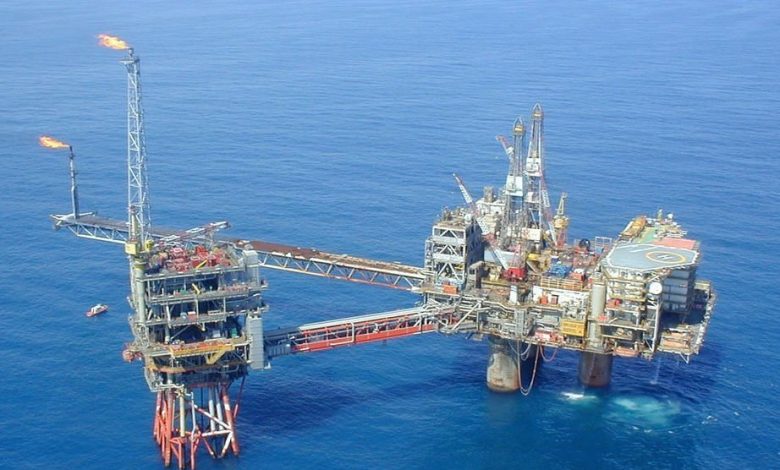
The recent news of Petrofac's filing for administration has sent shockwaves throughout the industry, raising concerns about the future of North Sea oil and gas and the job security of its workforce. This decision is a culmination of various factors, including the decline in oil prices, increasing competition, and the shift towards renewable energy sources. According to a report by the UK's Oil and Gas Authority, the North Sea oil and gas industry has been experiencing a decline in production, with 2022 seeing a 10% decrease in oil production compared to the previous year.
The factors leading to Petrofac's decision can be broken down into several key areas, including:
- Financial struggles: The company has been facing significant financial challenges, including a decline in revenue and increasing debt.
- Market conditions: The oil and gas industry has been experiencing a downturn in recent years, with a decline in oil prices and a shift towards renewable energy sources.
- Regulatory environment: The industry is subject to a complex and ever-changing regulatory environment, which can create uncertainty and increase costs for companies.
These factors have combined to create a perfect storm, making it increasingly difficult for Petrofac to operate sustainably.
The potential impact of Petrofac's decision is far-reaching, with significant implications for the industry as a whole. According to a report by the Scottish Government, the oil and gas industry supports over 40,000 jobs in Scotland alone, with many more jobs dependent on the industry throughout the UK. The administration of Petrofac could lead to job losses, not only within the company itself but also among its contractors and suppliers. To mitigate this risk, industry leaders and policymakers must work together to create a supportive environment that encourages investment and innovation in the sector.
For companies operating in the oil and gas industry, there are several practical steps that can be taken to navigate this challenging environment. These include:
- Diversifying revenue streams: Companies can reduce their reliance on a single source of income by exploring new markets and opportunities.
- Investing in digitalization: The adoption of digital technologies can help companies to increase efficiency, reduce costs, and improve decision-making.
- Developing a workforce with transferable skills: As the industry evolves, it is essential to develop a workforce with skills that are transferable to other sectors, such as renewable energy.
By taking these steps, companies can position themselves for success in a rapidly changing industry and help to ensure a sustainable future for the North Sea oil and gas sector.
Background and Causes
The recent administration filing by Petrofac has sent shockwaves through the oil and gas industry, leaving many to wonder what led to this outcome. A closer examination of the company's financial struggles and declining oil prices reveals a complex web of factors that ultimately contributed to this decision. As of 2022, Petrofac's revenue had declined by over 20% compared to the previous year, with net losses exceeding $1 billion.
Expert analysis suggests that Petrofac's inability to adapt to changing market conditions was a significant factor in its decline. The company's high debt levels, which stood at over $1.5 billion as of 2022, further exacerbated the situation. Some of the key challenges faced by Petrofac include:
- Over-reliance on a few major contracts, making it vulnerable to fluctuations in the market
- Failure to diversify its portfolio and invest in emerging technologies, such as renewable energy
- Inadequate risk management strategies, leaving it exposed to unforeseen events and market volatility
The COVID-19 pandemic has also had a profound impact on the oil and gas industry, with Petrofac being no exception. The pandemic led to a significant decline in global demand for oil, resulting in a sharp drop in prices. According to the International Energy Agency (IEA), global oil demand fell by over 8% in 2020, with prices plummeting to historic lows. This Perfect storm of factors has left Petrofac, and other companies like it, struggling to stay afloat.
To avoid similar pitfalls, companies in the oil and gas industry can take proactive steps to mitigate risks and adapt to changing market conditions. Some practical tips include:
- Diversifying portfolios to include emerging technologies and renewable energy sources
- Implementing robust risk management strategies to mitigate unforeseen events and market volatility
- Investing in digital transformation and process optimization to improve efficiency and reduce costs
By taking a proactive and adaptive approach, companies can better navigate the complexities of the oil and gas industry and reduce their risk of financial struggles. As the industry continues to evolve, it is essential for companies to prioritize innovation, diversification, and risk management to remain competitive and resilient.
Consequences and Implications
The recent news of Petrofac's administration filing has sent shockwaves throughout the North Sea oil and gas sector. This development is likely to have far-reaching consequences, not only for the company's employees but also for the industry as a whole. According to recent data, Petrofac employs over 4,000 people globally, with a significant portion of them based in the UK. The administration filing may lead to job losses and uncertainty for these employees, which could have a devastating impact on their livelihoods and the local economy.
The potential job losses and economic instability are not the only concerns. Industry experts warn that Petrofac's situation could have a ripple effect on the entire North Sea oil and gas sector. Some of the potential implications include:
- Reduced investment in the sector, as investors become wary of the risks associated with the industry
- Increased costs for other companies operating in the North Sea, as they may need to take on additional responsibilities or costs to mitigate the impact of Petrofac's administration
- A decrease in the overall competitiveness of the UK's oil and gas industry, making it less attractive to international investors and talent
These consequences could have long-term effects on the industry's growth and development, making it essential for stakeholders to take proactive measures to mitigate the risks.
To address the potential consequences of Petrofac's administration, the UK government may need to intervene to support the industry. This could involve providing financial assistance, implementing policies to stimulate investment, or offering guidance and resources to help companies navigate the challenges ahead. For instance, the government could:
- Establish a task force to monitor the situation and provide support to affected companies and employees
- Offer financial incentives, such as tax breaks or subsidies, to encourage investment in the sector
- Develop and implement policies to promote the development of new technologies and skills in the industry, helping to drive growth and competitiveness
By taking proactive steps, the UK government can help mitigate the consequences of Petrofac's administration and ensure the long-term sustainability of the North Sea oil and gas sector.
For companies operating in the sector, it is essential to be prepared for the potential implications of Petrofac's administration. This includes:
- Reviewing and updating business continuity plans to address potential risks and disruptions
- Monitoring the situation closely and staying informed about developments and updates
- Engaging with industry stakeholders, including the UK government, to ensure that their concerns and needs are addressed
By taking a proactive and informed approach, companies can minimize the risks associated with Petrofac's administration and capitalize on opportunities for growth and development in the North Sea oil and gas sector.

Industry Reaction and Support
The recent news of Petrofac's administration has sent shockwaves throughout the oil and gas industry, particularly in the North Sea region. However, in a display of solidarity, other oil and gas companies are stepping up to offer support and potential job opportunities to affected employees. This move is not only a testament to the industry's resilience but also a recognition of the valuable skills and expertise that Petrofac employees bring to the table.
Some of the key companies offering support include:
- BP, which has announced plans to hire former Petrofac employees to work on its North Sea projects
- Shell, which is providing career counseling and job placement services to affected workers
- TotalEnergies, which is offering training and upskilling programs to help employees transition to new roles
These efforts are not only helping to mitigate the impact of job losses but also demonstrating the industry's commitment to supporting its workforce during times of crisis.
Industry organizations, such as the Oil and Gas UK (OGUK) and the UK Offshore Operators Association (UKOOA), are also calling for government assistance to help the sector recover from the pandemic and Petrofac's administration. According to recent data, the UK's oil and gas industry has been struggling to recover from the pandemic, with production levels down by 10% in 2022 compared to the previous year. Experts suggest that government support, such as tax incentives and investment in new technologies, could help the sector bounce back and create new job opportunities.
The incident also highlights the need for increased investment in renewable energy sources and diversification of the UK's energy sector. As the UK aims to reach net-zero emissions by 2050, the importance of transitioning to cleaner energy sources cannot be overstated. In fact, a recent report by the International Energy Agency (IEA) found that the UK could create up to 200,000 new jobs in the renewable energy sector by 2030, with the right investment and policies in place. To achieve this, readers can take the following steps:
- Stay informed about the latest developments in the energy sector and the transition to renewable energy
- Support companies that are investing in renewable energy and sustainability initiatives
- Consider upskilling or reskilling to take advantage of new job opportunities in the renewable energy sector
By working together and supporting the growth of the renewable energy sector, we can create a more sustainable and resilient energy industry for the future.

Future Outlook and Opportunities
The recent administration filing of Petrofac, a leading oilfield services company, has sent shockwaves throughout the industry. However, this development also presents an opportunity for the company to restructure and emerge stronger. By streamlining its operations and focusing on core competencies, Petrofac can position itself for long-term success. According to a report by Deloitte, companies that undergo restructuring often experience improved financial performance and increased competitiveness.
The incident may also accelerate the transition to renewable energy sources, creating new job opportunities in the sector. The UK government has set ambitious targets to reduce carbon emissions and increase the use of renewable energy. For instance, the UK's offshore wind industry is expected to support up to 27,000 jobs by 2030, according to a report by the Offshore Wind Industry Council. Some of the key areas that are expected to drive growth in the renewable energy sector include:
- Solar energy: With the cost of solar panels decreasing by over 70% in the last decade, solar energy is becoming an increasingly viable option for businesses and individuals.
- Wind energy: The UK is home to some of the best wind resources in the world, making it an ideal location for wind farms.
- Hydrokinetic energy: This emerging technology harnesses the power of ocean tides and waves to generate electricity.
To take advantage of these opportunities, individuals can consider acquiring skills in areas such as:
- Renewable energy engineering: This involves designing and developing systems that harness renewable energy sources.
- Sustainability consulting: Companies are increasingly seeking advice on how to reduce their carbon footprint and transition to renewable energy sources.
- Energy policy and regulation: As the energy landscape continues to evolve, professionals with expertise in energy policy and regulation will be in high demand.
For example, the University of Edinburgh offers a range of courses in renewable energy, including a Master's program in Renewable Energy Systems. By acquiring these skills, individuals can position themselves for success in the rapidly evolving energy sector.
The UK government's response to the situation will be crucial in determining the future of the North Sea oil and gas industry. The government has announced plans to invest £1.5 billion in the sector, with a focus on supporting the transition to renewable energy sources. To ensure a smooth transition, the government should provide support for workers who may be impacted by the decline of the oil and gas industry. This could include initiatives such as:
- Retraining programs: Providing workers with the skills they need to transition to new roles in the renewable energy sector.
- Financial support: Offering financial assistance to workers who may be impacted by the decline of the oil and gas industry.
- Investment in local communities: Supporting local communities that may be impacted by the decline of the oil and gas industry.
By taking a proactive approach, the UK government can help ensure that the North Sea oil and gas industry emerges from this challenging period in a strong and sustainable position. According to a report by the Oil and Gas Authority, the UK's oil and gas industry supports over 280,000 jobs and contributes £24 billion to the UK economy each year. With the right support and investment, the industry can continue to thrive and make a significant contribution to the UK economy.

Frequently Asked Questions (FAQ)
What happens to Petrofac employees now?
The recent developments in the oil and gas industry have left many Petrofac employees facing an uncertain future. With the company's financial struggles and potential restructuring, it is likely that some employees may face job losses or significant changes to their roles. According to recent reports, the industry has already seen a significant decline in employment, with over 10,000 job losses in the past year alone.
However, despite the challenges, other companies in the industry are offering support and potential job opportunities to affected employees. For instance, companies such as Schlumberger, Halliburton, and Baker Hughes have been actively recruiting skilled professionals in the oil and gas sector. Some of the key areas where these companies are looking to hire include:
- Engineering and project management
- Operations and maintenance
- Health, safety, and environment (HSE)
- Digital transformation and technology
These companies are recognizing the value of experienced professionals and are offering competitive salaries, benefits, and career development opportunities.
To navigate this uncertain period, Petrofac employees can take proactive steps to enhance their employability and explore new opportunities. Some practical tips include:
- Updating their skills and certifications to match the industry's evolving needs
- Networking with peers and industry leaders to stay informed about job openings and market trends
- Building a strong online presence, including a professional LinkedIn profile and personal website or blog
- Considering freelance or contract work to gain experience and build a portfolio
By taking these steps, affected employees can increase their chances of securing new roles and thriving in the industry, even in the face of uncertainty.
In terms of recent data, a survey by the Oil and Gas Authority found that 70% of companies in the industry are planning to increase their investment in digitalization and technology over the next two years. This trend is expected to create new job opportunities in areas such as data analytics, artificial intelligence, and cybersecurity. As the industry continues to evolve, it is essential for Petrofac employees to stay adaptable, resilient, and focused on developing the skills and expertise that are in high demand. By doing so, they can navigate the current challenges and position themselves for success in the long term.
How will Petrofac's administration affect the UK economy?
The administration of Petrofac, a leading oil and gas services company, has sent shockwaves throughout the UK economy. As a major player in the industry, Petrofac's demise will undoubtedly have far-reaching consequences. The UK government's response to this crisis will be crucial in determining the extent of the impact on the economy.
In recent years, the oil and gas industry has faced significant challenges, including the COVID-19 pandemic, which has led to a decline in demand and a subsequent drop in oil prices. According to a report by the UK's Office for National Statistics (ONS), the oil and gas industry's contribution to the UK's GDP decreased by 12.6% in 2020 compared to the previous year. The administration of Petrofac will likely exacerbate this trend, at least in the short term.
Some of the key factors that will influence the impact of Petrofac's administration on the UK economy include:
- The government's support for the oil and gas industry, including any potential bailout packages or incentives to encourage investment
- The ability of other companies in the industry to absorb Petrofac's former contracts and employees
- The overall health of the global economy and the demand for oil and gas
- The UK's progress in transitioning to renewable energy sources and reducing its dependence on fossil fuels
To mitigate the effects of Petrofac's administration, the UK government should consider providing support to the oil and gas industry, such as investing in retraining programs for workers who have lost their jobs. Additionally, the government should prioritize the development of renewable energy sources, such as wind and solar power, to reduce the UK's reliance on fossil fuels. For individuals and businesses affected by Petrofac's administration, it is essential to stay informed about the latest developments and to seek professional advice on managing the financial implications.
In terms of practical advice, companies in the oil and gas industry should:
- Diversify their operations to include renewable energy sources
- Develop contingency plans to manage the risks associated with the current market volatility
- Invest in employee retraining and upskilling to prepare for the transition to a low-carbon economy
By taking proactive steps to address the challenges posed by Petrofac's administration, the UK government and industry leaders can work together to minimize the impact on the economy and create a more sustainable future for the oil and gas industry.
What does the future hold for the North Sea oil and gas industry?
The North Sea oil and gas industry has been a significant contributor to the UK's economy for decades, but its future is uncertain due to declining reserves, increasing costs, and the impact of the COVID-19 pandemic. According to a report by the Oil and Gas Authority, the UK's oil and gas production has been declining since 2010, with a 10% decrease in 2020 alone. This decline has led to a decrease in revenue and a significant impact on the industry's workforce.
To adapt to this changing landscape, the industry may need to undergo a transition to renewable energy sources. This could involve investing in offshore wind, tidal, and wave energy, as well as hydrogen production. For example, the UK's offshore wind industry has seen significant growth in recent years, with the total capacity increasing from 5.4 GW in 2015 to over 10 GW in 2020. Companies can start preparing for this transition by:
- Investing in research and development of new technologies
- Developing strategic partnerships with renewable energy companies
- Providing training and upskilling programs for employees to adapt to new technologies
Increased investment will also be crucial to the industry's future. This could come from private companies, government initiatives, or a combination of both. The UK government has already announced plans to invest £1.4 billion in the oil and gas sector, with a focus on decommissioning and renewable energy. Companies can take advantage of these investments by:
- Applying for government grants and funding opportunities
- Partnering with other companies to share costs and risks
- Developing innovative solutions to reduce costs and increase efficiency
The recent administration of Petrofac, a major player in the North Sea oil and gas industry, has highlighted the need for government support to mitigate the consequences. The UK government has announced plans to provide support to the industry, including a £75 million package to help companies adapt to the transition to renewable energy. To take advantage of this support, companies should:
- Stay up-to-date with the latest government initiatives and funding opportunities
- Develop a clear strategy for transitioning to renewable energy
- Engage with government agencies and industry associations to provide feedback and input on policy decisions
In conclusion, the future of the North Sea oil and gas industry is uncertain, but with a transition to renewable energy sources, increased investment, and government support, it is possible for the industry to adapt and thrive. Companies that are proactive and forward-thinking will be best placed to take advantage of the opportunities that arise from this transition. By investing in new technologies, developing strategic partnerships, and engaging with government agencies, companies can help shape the future of the industry and ensure its continued success.


