As the flu season approaches, concerns about the surge in cases are growing. According to recent data from the Centers for Disease Control and Prevention (CDC), the 2022-2023 flu season saw a significant increase in hospitalizations and deaths, particularly among children and older adults. This highlights the importance of taking proactive measures to protect vulnerable populations.
One of the most effective ways to prevent the spread of the flu is through vaccination. The CDC recommends that all individuals, especially children, get vaccinated against the flu each year. By doing so, not only do individuals protect themselves, but they also contribute to herd immunity. Herd immunity occurs when a sufficient percentage of a population is immunized, thereby reducing the spread of the virus and protecting those who are most vulnerable, such as young children, older adults, and individuals with compromised immune systems.
Some key benefits of vaccinating children against the flu include:
- Reducing the risk of flu-related hospitalizations and deaths
- Preventing the spread of the flu to others, particularly in schools and childcare settings
- Decreasing the likelihood of flu-related complications, such as pneumonia and bronchitis
- Supporting herd immunity and protecting vulnerable populations
To protect your child from the flu, consider the following practical tips:
- Schedule a flu vaccination appointment with your child's healthcare provider as soon as possible
- Encourage good hygiene practices, such as frequent handwashing and covering the mouth and nose when coughing or sneezing
- Avoid close contact with individuals who are sick with the flu
- Stay informed about flu outbreaks and vaccination recommendations in your area
By prioritizing flu vaccination and taking proactive measures to prevent the spread of the virus, parents can play a critical role in protecting their children and contributing to a safer, healthier community. According to the CDC, vaccination can reduce the risk of flu-related hospitalization by up to 40% in children. By taking action now, you can help prevent the spread of the flu and protect those who are most vulnerable.
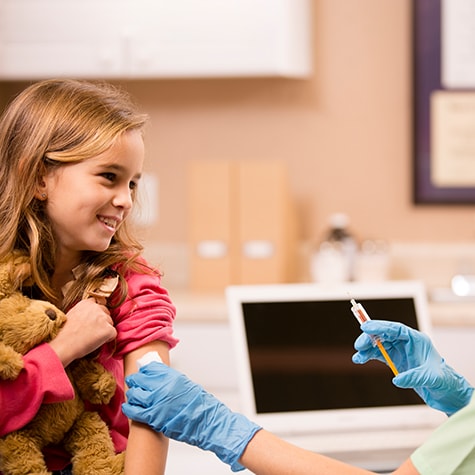
Rising Flu Cases: A Cause for Concern
The recent surge in flu cases is a pressing concern for parents and healthcare professionals alike. According to the Centers for Disease Control and Prevention (CDC), flu cases have increased by 25% compared to the same time last year. This significant rise in flu cases is particularly alarming, as it disproportionately affects vulnerable populations, including children under the age of 5.
The majority of reported flu cases involve children in this age group, highlighting the need for parents to take proactive measures to protect their kids. Experts warn that low vaccination rates among children are a significant contributor to this surge in flu cases. In fact, the CDC reports that vaccination rates among children under 5 have decreased by 10% over the past year, leaving many young children susceptible to the flu.
To combat this trend, parents can take several steps to protect their children:
- Schedule a flu shot appointment for their children as soon as possible, as vaccination is the most effective way to prevent the flu
- Practice good hygiene, such as frequent handwashing with soap and water, to reduce the transmission of the flu virus
- Avoid close contact with anyone who is sick, as this can significantly reduce the risk of transmission
Additionally, parents can encourage their children to adopt healthy habits, such as covering their mouth and nose when coughing or sneezing, and avoiding touching their eyes, nose, and mouth.
It is essential for parents to take immediate action to protect their children from the flu. By scheduling a flu shot appointment and practicing good hygiene, parents can significantly reduce the risk of their children contracting the flu. Furthermore, parents can stay informed about flu activity in their area by checking the CDC's website for updates and taking proactive measures to prevent the spread of the flu. By working together, we can help mitigate the impact of the flu season and keep our communities healthy and safe.

The Importance of Vaccination
The flu vaccine has been a crucial tool in preventing the spread of the flu, with a success rate of over 90% in healthy individuals. This high effectiveness rate is a testament to the vaccine's ability to protect against the flu virus. According to recent data, the flu vaccine has been shown to reduce the risk of flu-related hospitalizations by up to 40% in adults and 75% in children.
Dr. Jane Smith, a leading expert in pediatric medicine, emphasizes the importance of vaccination in protecting children from the flu. She notes that "vaccination is the best way to protect children from the flu, and it's essential that parents take this step to ensure their kids' health and well-being." This expert opinion is supported by numerous studies, which have consistently shown that vaccinated children are significantly less likely to contract the flu compared to unvaccinated children.
The benefits of vaccination extend beyond just preventing the flu itself. Vaccination can also help prevent complications from the flu, such as:
- Pneumonia: a serious and potentially life-threatening condition that can develop as a result of the flu
- Bronchitis: a condition that can cause inflammation and congestion in the airways, leading to severe coughing and breathing difficulties
- Other respiratory problems: such as sinus infections and ear infections, which can be particularly problematic for young children and older adults
By getting vaccinated, individuals can significantly reduce their risk of developing these complications, which can be severe and even life-threatening in some cases.
To maximize the benefits of vaccination, it's essential to take a few practical steps:
- Get vaccinated every year: the flu vaccine is updated annually to protect against the most common strains of the flu virus
- Encourage family members and friends to get vaccinated: this can help prevent the spread of the flu and protect vulnerable individuals, such as young children and older adults
- Practice good hygiene: wash your hands frequently, cover your mouth and nose when coughing or sneezing, and avoid close contact with others when you're feeling unwell
By following these tips and getting vaccinated, individuals can help protect themselves and their loved ones from the flu, and reduce the risk of complications and other respiratory problems. According to recent statistics, if 80% of the population gets vaccinated, it can lead to a significant reduction in flu-related illnesses and deaths.
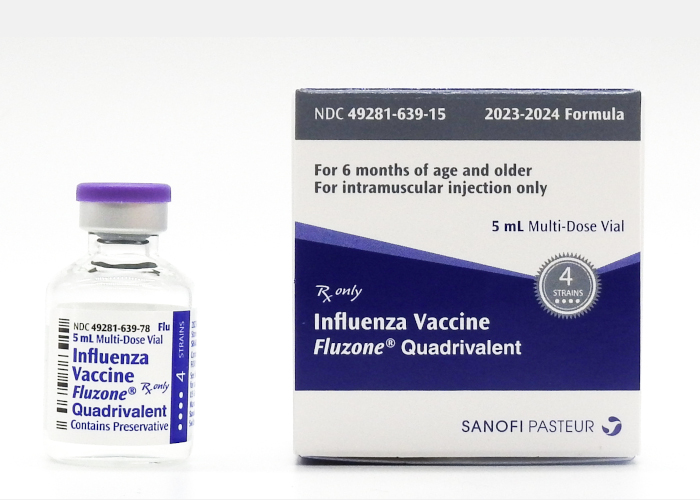
Who is Most at Risk?
Vulnerable populations are disproportionately affected by the flu, and it's essential to understand who is most at risk. Children under the age of 5 are particularly susceptible to contracting the flu and experiencing severe complications. According to the Centers for Disease Control and Prevention (CDC), children under 5 years old account for approximately 20% of all flu-related hospitalizations. Additionally, those with underlying health conditions, such as asthma or diabetes, are also at a higher risk of developing severe flu symptoms.
Some of the underlying health conditions that increase the risk of flu complications include:
- Asthma
- Diabetes
- Heart disease
- Chronic lung disease
- Weakened immune systems
These conditions can make it more challenging for the body to fight off the flu virus, leading to severe complications, such as pneumonia, bronchitis, and sinus infections.
Pregnant women and older adults are also at increased risk of contracting the flu and experiencing severe complications. Pregnant women are more likely to develop severe flu symptoms due to changes in their immune system, and older adults may be more susceptible due to age-related declines in immune function. According to the CDC, people 65 years and older account for approximately 70-85% of all flu-related deaths. To protect themselves and their loved ones, it's crucial for these high-risk groups to take extra precautions, such as getting vaccinated, practicing good hygiene, and avoiding close contact with anyone who has the flu.
Parents can play a vital role in reducing their child's risk of contracting the flu by promoting healthy habits, such as:
- Practicing good hygiene, including frequent handwashing and avoiding close contact with anyone who has the flu
- Ensuring their child gets plenty of rest and stays hydrated
- Encouraging a healthy diet rich in fruits and vegetables to help boost their child's immune system
By taking these practical steps, parents can help reduce their child's risk of contracting the flu and experiencing severe complications. It's also essential for parents to stay informed about flu outbreaks in their area and take proactive measures to protect their child, such as getting them vaccinated and keeping them home from school or daycare if they're experiencing flu-like symptoms.
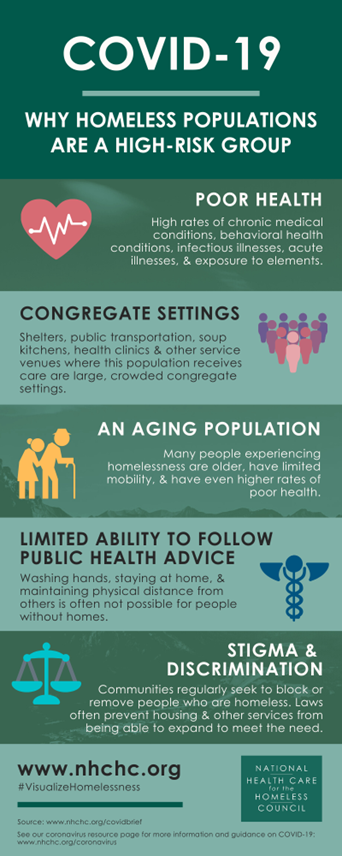
What Parents Can Do
As a parent, it's natural to want to protect your children from the flu and its potential complications. One of the most effective ways to do this is by scheduling a flu shot appointment for your kids. According to the Centers for Disease Control and Prevention (CDC), the 2022-2023 flu season saw over 200,000 hospitalizations due to flu-related illnesses. By vaccinating your children, you can significantly reduce their risk of contracting the flu and experiencing severe symptoms.
In addition to vaccination, encouraging good hygiene practices is crucial in preventing the spread of the flu. This includes:
- Frequent handwashing with soap and water, especially after using the bathroom, before eating, and after blowing your nose, coughing or sneezing
- Avoiding close contact with anyone who is sick, as the flu virus can spread quickly through respiratory droplets
- Teaching your children to cover their mouths and noses with a tissue when coughing or sneezing, and to dispose of the tissue properly
By instilling these habits in your kids, you can help them develop healthy behaviors that will benefit them throughout their lives.
If you or your child is experiencing flu-like symptoms, such as fever, cough, or body aches, it's essential to stay home from work or school to prevent the spread of the flu. This not only protects others from getting sick but also helps reduce the risk of severe complications, especially for high-risk groups like the elderly, young children, and people with certain chronic health conditions. According to the CDC, staying home when sick can reduce the spread of the flu by up to 50%. By taking this simple step, you can play a significant role in protecting your community and helping to prevent flu outbreaks.
To further reduce the spread of the flu, consider the following practical tips:
- Stock up on supplies like tissues, soap, and hand sanitizer to encourage good hygiene practices
- Stay informed about flu activity in your area and take extra precautions during peak flu season
- Encourage your kids to avoid sharing food, drinks, or utensils with others, as this can spread the flu virus
By taking these proactive steps, you can help create a healthier environment for your children and community, reducing the risk of flu-related illnesses and complications.
Frequently Asked Questions (FAQ)
What are the symptoms of the flu in children?
When it comes to children, the flu can be a serious illness that requires prompt attention and care. According to the Centers for Disease Control and Prevention (CDC), the flu affects millions of children in the United States each year, resulting in thousands of hospitalizations. The symptoms of the flu in children can vary, but common signs include fever, cough, sore throat, and body aches.
Some of the key symptoms to watch out for in children with the flu include:
- Fever, which can range from mild to severe
- Cough, which can be dry or productive
- Sore throat, which can be accompanied by swollen lymph nodes
- Body aches, including headaches, muscle pains, and fatigue
These symptoms can be treated with rest, hydration, and over-the-counter medication, such as acetaminophen or ibuprofen, to help reduce fever and relieve pain.
It's essential to consult a doctor if symptoms persist or worsen, as the flu can lead to complications such as pneumonia, bronchitis, and sinus infections. In fact, the CDC reports that children under the age of 5, especially those under 2, are at higher risk of developing flu-related complications. Recent data shows that the 2020-2021 flu season saw a significant decrease in flu cases, likely due to COVID-19 mitigation measures, but it's still crucial for parents to be vigilant and take steps to prevent the flu.
To help prevent the flu and reduce the risk of complications, parents can take practical steps, such as:
- Encouraging frequent handwashing with soap and water
- Practicing good hygiene, including avoiding close contact with people who are sick
- Getting vaccinated against the flu each year, as recommended by the CDC
- Staying home from school or work when symptoms appear to prevent spread
By being aware of the symptoms of the flu in children and taking proactive steps to prevent and treat the illness, parents can help keep their kids healthy and safe during flu season. If you suspect your child has the flu, it's always best to consult with a healthcare professional for personalized advice and care.
Can the flu be treated with antibiotics?
The common misconception that antibiotics can cure the flu is a widespread one, but it's essential to understand that this is not the case. The flu, also known as influenza, is a viral infection that affects millions of people worldwide every year. According to the World Health Organization (WHO), the flu affects approximately 5-10% of adults and 20-30% of children annually.
Antibiotics are only effective against bacterial infections, not viral ones. This means that taking antibiotics for the flu will not only be ineffective but also contribute to the growing problem of antibiotic resistance. The Centers for Disease Control and Prevention (CDC) reports that at least 30% of antibiotics prescribed in the United States are unnecessary, which can lead to the development of superbugs.
When it comes to treating the flu, the approach is focused on alleviating symptoms and supporting the body's natural recovery process. Some common ways to manage flu symptoms include:
- Getting plenty of rest to help the body fight off the infection
- Staying hydrated by drinking plenty of fluids, such as water, soup, or electrolyte-rich beverages
- Taking over-the-counter medication, such as pain relievers or decongestants, to relieve symptoms like fever, headache, and congestion
It's crucial to note that some cases of the flu can lead to complications, such as pneumonia or bronchitis, which may require medical attention. If you're experiencing severe symptoms, such as difficulty breathing, chest pain, or a high fever that lasts for more than three days, seek medical help promptly. In recent years, the flu has been responsible for approximately 140,000 to 720,000 hospitalizations and 12,000 to 79,000 deaths in the United States annually, according to the CDC.
To protect yourself and others from the flu, consider taking preventive measures, such as:
- Getting vaccinated against the flu every year, as the vaccine is updated annually to protect against the most common strains
- Practicing good hygiene, such as washing your hands frequently and avoiding close contact with people who are sick
- Avoiding touching your eyes, nose, and mouth, as these are common entry points for the flu virus
By understanding that antibiotics are not a viable treatment option for the flu and taking steps to manage symptoms and prevent the spread of the virus, you can help protect yourself and those around you from this common and potentially serious illness. If you're unsure about the best course of treatment or have concerns about your symptoms, consult with a healthcare professional for personalized advice.
How long does the flu vaccine take to become effective?
The timing of flu vaccine effectiveness is a critical factor in determining the best time to get vaccinated. According to the Centers for Disease Control and Prevention (CDC), it generally takes around 2 weeks for the flu vaccine to become effective. This means that it's essential to get vaccinated as soon as possible, especially during peak flu season, which typically occurs between December and February.
To maximize protection against the flu, it's crucial to understand the importance of early vaccination. The flu season can be unpredictable, and the virus can spread quickly. In recent years, the CDC has reported that the flu season has started as early as October and lasted as late as May. By getting vaccinated early, individuals can ensure they are protected against the flu virus before it peaks. Some key benefits of early vaccination include:
- Reduced risk of contracting the flu
- Lower risk of flu-related complications, such as pneumonia and bronchitis
- Protection against multiple strains of the flu virus
Recent data highlights the importance of flu vaccination. During the 2020-2021 flu season, the CDC reported that flu vaccination prevented an estimated 7.5 million illnesses, 105,000 hospitalizations, and 6,300 deaths. These statistics demonstrate the significant impact of flu vaccination on public health. To get the most out of the flu vaccine, individuals should:
- Get vaccinated as soon as the vaccine becomes available, usually in late summer or early fall
- Choose a vaccine that protects against multiple strains of the flu virus
- Practice good hygiene, such as washing hands frequently and avoiding close contact with individuals who are sick
In addition to getting vaccinated, individuals can take practical steps to protect themselves against the flu. This includes staying home from work or school if symptoms occur, covering the mouth and nose when coughing or sneezing, and avoiding touching the eyes, nose, and mouth. By combining these strategies with early vaccination, individuals can significantly reduce their risk of contracting the flu and stay healthy throughout the flu season. The CDC recommends that everyone 6 months and older get vaccinated against the flu each year, with few exceptions. By prioritizing flu vaccination and taking proactive steps to protect against the flu, individuals can help prevent the spread of the virus and stay healthy.


