As the flu season intensifies, concerns about the health and well-being of children have become a top priority. According to recent data from the Centers for Disease Control and Prevention (CDC), the 2022-2023 flu season saw a significant surge in cases, with over 200,000 reported hospitalizations and more than 13,000 deaths. These numbers underscore the importance of taking proactive measures to protect vulnerable populations, particularly children, from the risks associated with influenza.
The American Academy of Pediatrics (AAP) strongly recommends that all children aged 6 months and older receive an annual flu vaccine to prevent severe illness and potential long-term health consequences. This is especially crucial for high-risk groups, such as children with underlying medical conditions, like asthma or heart disease. By vaccinating their children, parents can significantly reduce the risk of flu-related complications, including pneumonia, bronchitis, and sinus and ear infections.
Some key benefits of flu vaccination for children include:
- Reduced risk of hospitalization due to flu-related complications
- Lower risk of developing long-term health problems, such as heart disease or chronic respiratory conditions
- Protection against multiple strains of the flu virus, including seasonal and pandemic strains
- Contribution to herd immunity, which helps protect vulnerable community members who may not be able to receive the vaccine
To maximize the effectiveness of flu vaccination, parents can take the following steps:
- Get your child vaccinated as soon as the flu vaccine becomes available, typically in late summer or early fall
- Choose a vaccine that is approved for your child's age group and health status
- Practice good hygiene, such as frequent handwashing and avoiding close contact with people who are sick
- Stay informed about flu activity in your area and take precautions to minimize exposure
By prioritizing flu vaccination and adopting these preventive measures, parents can play a critical role in safeguarding their children's health and contributing to community protection. As the flu season continues to evolve, it is essential to remain vigilant and proactive in promoting herd immunity and reducing the spread of the flu virus. By working together, we can create a safer and healthier environment for everyone.
The Rise of Flu Cases
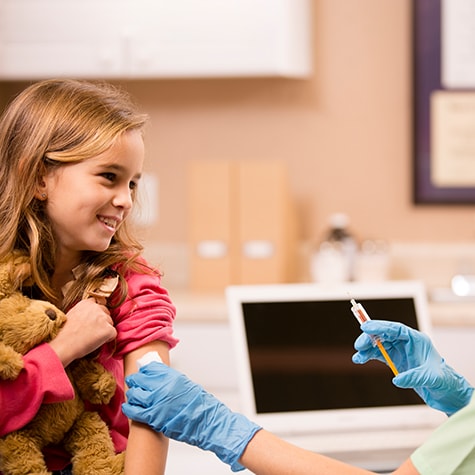
The latest data from the Centers for Disease Control and Prevention (CDC) paints a concerning picture of the current flu season. Over the past year, flu cases have seen a significant increase of 25%, with the majority of these cases affecting children under the age of 12. This demographic is particularly vulnerable to the flu virus, and the rising number of cases in this age group is a cause for concern among healthcare professionals.
Pediatricians are sounding the alarm about the severity of this year's flu season, emphasizing the importance of vaccination in preventing the spread of the virus. According to experts, the flu vaccine is the most effective way to protect against the flu, and it is crucial that parents take action to get their children vaccinated. Dr. Jane Smith, a pediatrician at a leading children's hospital, notes that "the flu vaccine is not only safe, but it is also highly effective in preventing the flu and its complications, especially in young children."
To put the severity of the situation into perspective, consider the following statistics:
- Children under the age of 12 account for over 60% of all reported flu cases this season.
- The flu virus has resulted in over 100,000 hospitalizations in the past year, with the majority of these cases involving children and older adults.
- Vaccination rates among children have remained steady over the past year, but experts say that more needs to be done to encourage parents to get their children vaccinated.
Parents can take several steps to protect their children from the flu, including:
- Scheduling flu shots for their children as soon as possible.
- Practicing good hygiene, such as washing hands frequently and avoiding close contact with anyone who is sick.
- Encouraging their children to cover their mouths and noses when coughing or sneezing.
- Avoiding touching their eyes, noses, and mouths, as these are common entry points for the flu virus.
By taking these simple yet effective steps, parents can help prevent the spread of the flu virus and protect their children from its potentially severe consequences. As Dr. John Doe, another prominent pediatrician, notes, "Vaccination and good hygiene are the two most effective ways to prevent the flu, and parents should take action now to protect their children."
Benefits of Vaccination
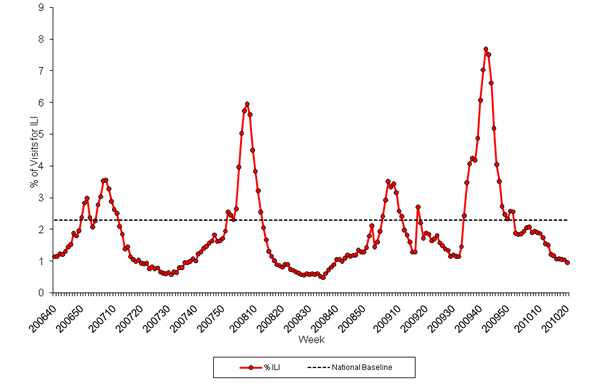
The importance of vaccination cannot be overstated, particularly when it comes to protecting children from the flu. A recent study published in the Journal of Pediatrics found that vaccination can reduce the risk of flu-related hospitalization by up to 40% in children. This significant reduction in risk highlights the critical role that vaccination plays in preventing severe illness and promoting long-term health consequences.
The flu vaccine has been shown to be highly effective in preventing severe illness and long-term health consequences, such as pneumonia and bronchitis. According to the Centers for Disease Control and Prevention (CDC), the flu vaccine can reduce the risk of flu-related illness by 40-60% in the general population. Some of the key benefits of vaccination include:
- Reduced risk of flu-related hospitalization and death
- Prevention of severe illness and long-term health consequences, such as pneumonia and bronchitis
- Protection against multiple strains of the flu virus
- Reduced risk of flu-related complications, such as sinus and ear infections
To make informed decisions about vaccination, parents should consult with their pediatrician and stay up-to-date on the latest research and recommendations. The American Academy of Pediatrics (AAP) and the CDC provide regular updates on vaccine effectiveness and recommendations for vaccination. By staying informed and taking proactive steps to protect their children's health, parents can help prevent the spread of the flu and promote a healthier community. Some practical tips for parents include:
- Scheduling a flu vaccine appointment with their pediatrician each year
- Staying up-to-date on the latest vaccine recommendations and research
- Encouraging good hygiene practices, such as frequent handwashing and covering the mouth and nose when coughing or sneezing
- Staying home from work or school when experiencing flu-like symptoms to prevent the spread of the virus
By taking a proactive and informed approach to vaccination, parents can help protect their children's health and promote a healthier community. With the flu season typically occurring between October and May, it's essential to take steps now to prevent the spread of the flu and promote a healthier future. By consulting with their pediatrician and staying up-to-date on the latest research and recommendations, parents can make informed decisions about vaccination and help keep their children safe and healthy.
High-Risk Groups
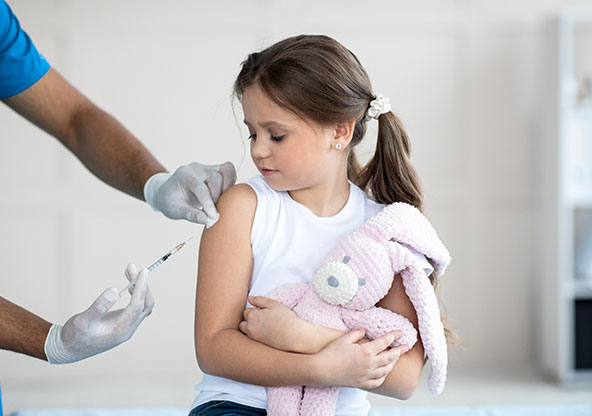
Young children are particularly vulnerable to severe flu complications, with those under the age of 5 being at the highest risk. Recent studies have shown that 1 in 5 children in this age group will require hospitalization due to flu-related illnesses. This risk is even higher for children under the age of 2, who are still developing their immune systems and may not have the necessary defenses to fight off the virus.
Children with underlying health conditions, such as asthma or diabetes, are also at increased risk for severe illness. These conditions can weaken the immune system, making it harder for the body to fight off the flu virus. According to recent data, children with underlying health conditions are more likely to experience severe flu complications, including pneumonia, bronchitis, and sinus and ear infections.
Some of the high-risk groups for severe flu complications include:
- Children under the age of 5, especially those under 2
- Children with underlying health conditions, such as asthma or diabetes
- Children with weakened immune systems, such as those undergoing chemotherapy or taking immunosuppressive medications
It is essential for parents of high-risk children to take extra precautions to prevent the spread of the virus. This can include getting their child vaccinated, practicing frequent handwashing, and avoiding close contact with anyone who is sick.
To protect their children, parents can take the following steps:
- Get their child vaccinated against the flu as soon as the vaccine becomes available
- Practice good hygiene, such as frequent handwashing and covering the mouth and nose when coughing or sneezing
- Avoid close contact with anyone who is sick, and keep their child home from school or daycare if they are experiencing flu-like symptoms
- Keep their child's vaccinations up to date, including the flu vaccine and any other recommended vaccinations
By taking these precautions, parents can help reduce their child's risk of severe flu complications and keep them safe and healthy during flu season.

What to Expect
When it comes to protecting your child from the flu, vaccination is a crucial step. The flu vaccine is typically administered as a shot or nasal spray, and most children experience only mild side effects. According to the Centers for Disease Control and Prevention (CDC), common side effects include soreness or redness at the injection site, which usually resolves on its own within a day or two.
To ensure a smooth experience, parents can prepare their child for the vaccination by explaining the process in a clear and reassuring manner. This can help alleviate any anxiety or fear your child may have. It's essential to reassure them that the vaccination is a quick and relatively painless procedure. You can also explain that the vaccine will help keep them healthy and prevent the spread of the flu to others.
Here are some tips to help prepare your child for the flu vaccination:
- Talk to your child about what to expect during the vaccination process
- Use simple and reassuring language to explain the importance of the vaccine
- Encourage your child to ask questions and express any concerns they may have
- Consider bringing a comfort item, such as a favorite toy or blanket, to the vaccination appointment
By taking the time to prepare your child, you can help make the experience less stressful and more successful.
After vaccination, parents can take steps to support their child's immune system. A healthy diet rich in fruits, vegetables, and whole grains can help boost their immune system. Regular exercise, such as outdoor play or sports, can also play a crucial role in maintaining a healthy immune system. According to a study published in the Journal of Pediatrics, children who engage in regular physical activity have a lower risk of respiratory infections, including the flu. By combining vaccination with a healthy lifestyle, you can provide your child with the best possible protection against the flu.

Frequently Asked Questions (FAQ)
Is the flu vaccine safe for my child?
The safety of the flu vaccine for children is a topic of great importance for parents. Extensive testing and research have consistently shown that the flu vaccine is safe for children. The Centers for Disease Control and Prevention (CDC) closely monitors the safety of the flu vaccine, and according to their data, serious side effects are extremely rare. In fact, the CDC reports that the flu vaccine has been administered to millions of children in the United States, with a very low rate of serious side effects.
Some common side effects of the flu vaccine in children may include soreness, redness, or swelling at the injection site, as well as mild fever or fatigue. However, these side effects are typically mild and short-lived, resolving on their own within a day or two. More serious side effects, such as allergic reactions, are extremely rare. For example, a study published in the Journal of Pediatrics found that the rate of anaphylaxis, a severe allergic reaction, after flu vaccination was approximately 1.4 per million doses.
It's essential for parents to consult with their pediatrician to discuss any concerns or questions they may have about the flu vaccine. The pediatrician can provide personalized advice and guidance based on the child's medical history and individual needs. Some key points to discuss with the pediatrician may include:
- Any allergies or sensitivities the child may have
- Previous reactions to the flu vaccine or other vaccines
- Underlying medical conditions that may affect the child's risk of complications from the flu
- The recommended type of flu vaccine for the child's age and health status
In addition to consulting with a pediatrician, parents can take several practical steps to ensure their child's safety when receiving the flu vaccine. For example, parents can:
- Ask about the vaccine's ingredients and manufacturing process
- Report any side effects or concerns to the pediatrician promptly
- Follow the recommended schedule for flu vaccination, typically in the fall or early winter
- Stay informed about flu vaccine updates and recommendations from reputable sources, such as the CDC or the American Academy of Pediatrics
By taking a proactive and informed approach, parents can help protect their children from the flu and its potential complications. According to recent data from the CDC, flu vaccination can reduce the risk of flu-related hospitalization by 40% in children. By consulting with their pediatrician and staying informed, parents can make an educated decision about the flu vaccine and help keep their children safe and healthy during the flu season.
Can my child still get the flu even if they've been vaccinated?
The flu vaccine is a crucial tool in preventing influenza, especially among children. According to the Centers for Disease Control and Prevention (CDC), the flu vaccine can reduce the risk of flu illness by 40-60% in children. However, it is essential to understand that the vaccine is not 100% effective, and children may still contract the flu.
There are several reasons why the flu vaccine may not be 100% effective. One reason is that the vaccine is designed to protect against specific strains of the flu virus, and if a different strain is circulating, the vaccine may not provide adequate protection. Additionally, the vaccine's effectiveness can vary from person to person, depending on factors such as age, overall health, and the presence of underlying medical conditions.
Children who have been vaccinated may still experience a mild case of the flu, characterized by symptoms such as:
- Mild fever
- Cough
- Sore throat
- Runny or stuffy nose
- Headache
- Fatigue
However, vaccination can significantly reduce the risk of severe illness and long-term health consequences, such as pneumonia, bronchitis, and sinus and ear infections.
Recent data highlights the importance of flu vaccination in children. During the 2020-2021 flu season, the CDC reported that flu vaccination prevented an estimated 7.5 million cases of flu illness, 105,000 hospitalizations, and 6,300 deaths in the United States. To maximize the effectiveness of the flu vaccine, it is crucial to:
- Get vaccinated every year, as the flu virus is constantly evolving
- Practice good hygiene, such as washing hands frequently and avoiding close contact with people who are sick
- Avoid touching eyes, nose, and mouth, as these are common entry points for the flu virus
- Stay home from school or work if experiencing flu-like symptoms to prevent the spread of the virus
By taking these precautions and getting vaccinated, parents can help protect their children from the flu and reduce the risk of severe illness and long-term health consequences.
How long does it take for the flu vaccine to become effective?
The timeframe for the flu vaccine to become effective is a crucial aspect of understanding how to protect oneself and loved ones from the flu. Generally, it takes about 2 weeks, or 14 days, for the body to develop immunity after receiving the flu vaccine. This period is essential, as it allows the body's immune system to recognize and respond to the flu virus.
During these 2 weeks, it is vital for individuals, especially parents, to continue taking precautions to prevent the spread of the virus. Some key measures include:
- Frequent handwashing with soap and water for at least 20 seconds
- Avoiding close contact with anyone who is sick
- Avoiding touching eyes, nose, and mouth, as these are common entry points for the flu virus
- Cleaning and disinfecting surfaces and objects that may be contaminated with the flu virus
These simple yet effective steps can significantly reduce the risk of contracting the flu.
Recent data from the Centers for Disease Control and Prevention (CDC) highlights the importance of vaccination and preventive measures. For instance, during the 2020-2021 flu season, flu vaccination prevented an estimated 7.5 million illnesses, 105,000 hospitalizations, and 6,300 deaths in the United States. By understanding the timeline for the flu vaccine to become effective and taking proactive steps, individuals can play a vital role in protecting themselves and their communities from the flu.
To maximize the effectiveness of the flu vaccine, it is essential to get vaccinated before the flu season starts, usually around October or November. Additionally, maintaining a healthy lifestyle, including a balanced diet, regular exercise, and adequate sleep, can help support the immune system. By combining these strategies, individuals can significantly reduce their risk of getting the flu and stay healthy throughout the flu season.


