
Introduction to Octopus Biology
The unique ability of octopuses to change color and texture has fascinated scientists and the general public alike. This remarkable capability is made possible by specialized skin cells called chromatophores. These cells contain pigments that can be expanded or contracted to alter the color and reflectivity of the skin, allowing octopuses to blend in seamlessly with their surroundings.
One of the key areas of research in this field is the development of a synthetic equivalent of chromatophores. By studying the properties of these cells, researchers aim to create artificial materials that can mimic their behavior. This technology has the potential to revolutionize various fields, including:
- Advanced robotics, where it could be used to create camouflage systems for unmanned vehicles
- Medical devices, where it could be used to develop prosthetic skin that can adapt to changing environments
- Display technology, where it could be used to create high-resolution, color-changing displays

Synthetic Skin Development
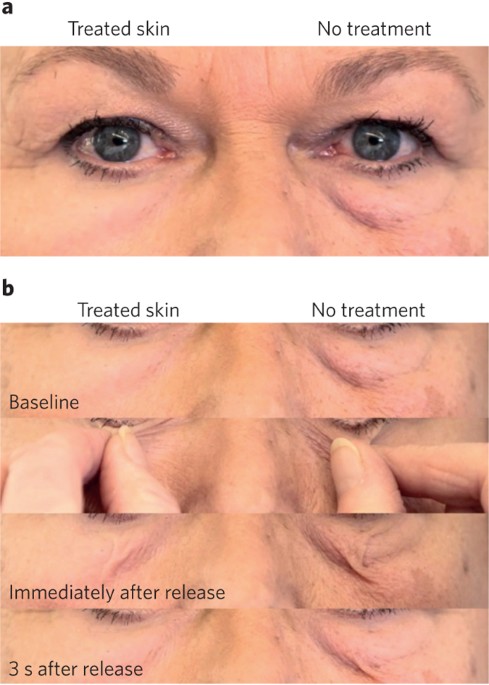
The development of synthetic skin has been a long-standing goal in the fields of materials science and biomedical engineering. Inspired by the unique properties of octopus skin, scientists have made significant strides in creating artificial skin that can mimic its remarkable abilities. One of the key breakthroughs has been the development of electroactive polymers and shape-memory alloys, which can be used to create synthetic skin that can change color, texture, and even shape in response to environmental stimuli.
These advanced materials have numerous potential applications, including:
- Prosthetic skin for amputees, which can provide a more natural and lifelike appearance
- Wearable technology, such as smart clothing and wound dressings
- Soft robotics, which can be used in a variety of fields, including healthcare and manufacturing
Robotics Applications
The development of synthetic skin inspired by octopus biology is revolutionizing the field of robotics. This innovative technology has the potential to create robots that can seamlessly blend in with their surroundings, making them ideal for a variety of applications. For instance, search and rescue missions can greatly benefit from robots that can camouflage themselves, allowing them to navigate through debris-filled areas without being detected.
One of the key advantages of synthetic skin is its ability to interact with the environment in a more nuanced way. This can be achieved through various means, including:
- Changing color to communicate with other robots or humans
- Modulating texture to adapt to different surfaces
- Regulating temperature to conserve energy or blend in with the surroundings
- Collaborate with biologists and materials scientists to develop more advanced and realistic synthetic skin
- Integrate multiple sensory capabilities, such as tactile, visual, and auditory sensing, to create a more comprehensive and nuanced interaction with the environment
- Develop algorithms and software that can interpret and respond to the data generated by the synthetic skin, allowing robots to make informed decisions and adapt to changing situations

Future Directions
The concept of synthetic skin inspired by octopus biology has been gaining significant attention in recent years, and for good reason. This innovative technology has the potential to revolutionize various fields, including healthcare, robotics, and prosthetics. With its unique properties, such as self-healing and camouflage capabilities, synthetic skin could greatly improve the quality of life for individuals with certain medical conditions or injuries.
One of the most exciting aspects of this technology is its potential applications. Some of the possible uses include:
- Prosthetic limbs with enhanced sensory capabilities
- Wound healing and skin grafting
- Soft robotics and wearable technology
- Bio-inspired sensors and monitoring systems
- Staying up-to-date with the latest research and breakthroughs in the field
- Collaborating with experts from diverse backgrounds and disciplines
- Investing in research and development initiatives
- Exploring potential applications and use cases for synthetic skin

Frequently Asked Questions (FAQ)
What are the potential applications of synthetic skin based on octopus biology?
The study of octopus biology has led to significant advancements in the development of synthetic skin, with potential applications that are both diverse and exciting. One of the primary areas of focus is the creation of advanced robotics that can mimic the unique properties of octopus skin, such as its ability to change color and texture. This technology has the potential to revolutionize the field of robotics, enabling the creation of robots that can blend in with their surroundings and interact with their environment in a more sophisticated way. Some of the key applications of synthetic skin based on octopus biology include:
- Search and rescue operations, where robots with advanced sensory capabilities and adaptive skin could navigate complex environments and locate survivors more effectively
- Surveillance, where synthetic skin could be used to create stealthy, shape-shifting drones that can gather intelligence without being detected
- Prosthetics, where advanced synthetic skin could be used to create more realistic and functional prosthetic limbs


