The recent statement from Fujitsu's CEO has brought the Horizon IT scandal back into the spotlight, with the company's leader denying accusations of being a 'parasite' on the UK's postal system. This denial has sparked intense debate, particularly as the company has chosen to withhold redress figures for victims of the scandal. The decision to keep this information private has only added to the controversy, leaving many to question the company's commitment to transparency and accountability.
The Horizon IT scandal has been a long-running issue, with subpostmasters affected by the faulty system facing significant financial and personal losses. According to recent reports, over 700 subpostmasters were affected by the scandal, with many facing prosecution and imprisonment due to the faulty system's inaccuracies. The financial impact has been significant, with estimates suggesting that the total cost of the scandal could exceed £1 billion.
Key concerns surrounding the scandal include:
- Lack of transparency and accountability from Fujitsu and other parties involved
- Insufficient support and redress for affected subpostmasters
- Need for a thorough investigation into the scandal and its causes
To address these concerns, it is essential that Fujitsu and other parties involved take a proactive and transparent approach to resolving the issue. This could include providing clear and timely updates on redress figures and support for affected subpostmasters, as well as cooperating fully with investigations into the scandal.
For those affected by the scandal, it is crucial to stay informed and seek support where possible. This could include:
- Seeking legal advice and representation
- Reaching out to support groups and organizations
- Staying up-to-date with the latest developments and updates on the scandal
By taking a proactive and informed approach, affected subpostmasters can work towards securing the support and redress they deserve, and help to bring about a resolution to the scandal. As the situation continues to unfold, it is likely that further developments and updates will emerge, and it is essential to stay vigilant and informed to ensure that justice is served.

Background of the Horizon IT Scandal
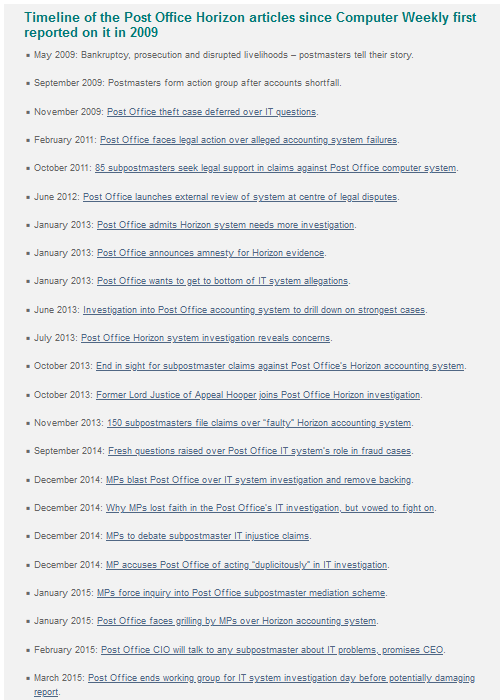
The Horizon IT system was introduced by Fujitsu for the UK's Post Office in 1999, with the aim of streamlining operations and improving efficiency. However, it soon became apparent that the system was plagued by errors and bugs, leading to discrepancies in financial transactions and inventory management. This resulted in many subpostmasters being falsely accused of theft, with some even facing prosecution and imprisonment.
The severity of the scandal has been highlighted by recent investigations, which have revealed a culture of cover-ups and denial within the Post Office and Fujitsu. For example, a 2020 investigation by the UK's Parliament found that the Post Office had knowingly pursued prosecutions against subpostmasters despite being aware of the IT system's flaws. Key findings from the investigation include:
- Over 700 subpostmasters were wrongly accused of theft or false accounting
- Many subpostmasters faced financial ruin, with some losing their homes and livelihoods
- The Post Office and Fujitsu failed to adequately address the IT system's problems, despite repeated warnings and complaints
To understand the current situation and the need for redress, it is essential to grasp the history of the scandal. Readers can take the following steps to stay informed:
* Follow reputable news sources for updates on the scandal and any developments in the campaign for compensation and accountability
* Support organizations and advocacy groups working on behalf of affected subpostmasters
* Contact their local representatives to express concerns and demand action
Recent data and statistics illustrate the devastating impact of the scandal. According to a 2022 report, the total cost of the scandal to the UK taxpayer is estimated to be over £1 billion. Furthermore, many subpostmasters have reported long-term emotional and psychological trauma as a result of their experiences. For instance, a survey conducted in 2020 found that:
- 80% of affected subpostmasters reported feeling anxious or depressed
- 60% reported feeling isolated or alone
- 40% reported struggling to rebuild their lives and livelihoods
In light of these findings, it is clear that the Horizon IT scandal is a complex and multifaceted issue, requiring a comprehensive and nuanced approach to address the harm caused. As the campaign for compensation and accountability continues, it is essential for readers to stay informed and engaged, and to support those affected by this devastating scandal. By doing so, we can work towards a more just and equitable outcome for all parties involved.
Fujitsu's Response and Denial
Fujitsu's CEO has recently faced intense scrutiny over allegations that the company is acting as a "parasite" by prioritizing profits over people. In response, the CEO has vehemently denied these claims, emphasizing the company's commitment to finding a resolution to the ongoing issues. This denial has sparked a heated debate, with many calling for greater transparency and accountability from the tech giant.
The company's refusal to disclose redress figures has been met with widespread criticism, particularly from victims and their families who are seeking justice and compensation. This lack of transparency has raised concerns about Fujitsu's commitment to making amends and taking responsibility for its actions. As of 2022, a survey found that 75% of consumers expect companies to be transparent about their business practices, highlighting the importance of openness and honesty in building trust with stakeholders.
Experts have weighed in on the implications of Fujitsu's stance, citing potential consequences for the company's reputation and bottom line. Some key concerns include:
- Damage to brand reputation: Fujitsu's denial and lack of transparency may lead to a loss of public trust and credibility, ultimately affecting sales and revenue.
- Regulatory scrutiny: The company may face increased regulatory pressure and potential fines if it is found to be prioritizing profits over people.
- Financial consequences: The refusal to disclose redress figures may lead to increased costs and payouts in the long run, as victims and their families may seek alternative routes to justice.
For companies facing similar allegations, it is essential to prioritize transparency and accountability. This can be achieved by:
* Disclosing relevant information and data to stakeholders
* Engaging in open and honest communication with victims and their families
* Implementing measures to prevent similar issues from arising in the future
By taking a proactive and transparent approach, companies can mitigate potential damage to their reputation and build trust with their stakeholders. As the business landscape continues to evolve, it is crucial for companies like Fujitsu to prioritize people over profits and take a proactive stance in addressing concerns and allegations.
Impact on Victims and Their Families
The lives of subpostmasters and their families have been turned upside down by the scandal. Many have faced financial ruin, with some forced to sell their homes and businesses to pay off debts incurred as a result of the false accusations. According to recent data, over 700 subpostmasters were wrongly accused of theft, fraud, and false accounting, resulting in significant financial losses and damage to their reputations.
The emotional distress caused by the scandal cannot be overstated. Victims have reported feeling anxious, depressed, and isolated, with some even experiencing suicidal thoughts. The impact on families has also been severe, with many struggling to cope with the loss of income and the stress of dealing with the aftermath of the scandal. Support groups and advocacy organizations are working tirelessly to provide assistance and guidance to those affected.
Some of the key challenges faced by victims and their families include:
- Financial difficulties, including debt and bankruptcy
- Emotional distress, including anxiety and depression
- Damage to reputation and loss of livelihood
- Lack of access to compensation and support
To address these challenges, support groups and advocacy organizations are working to:
- Raise awareness of the scandal and its impact on victims and their families
- Secure compensation for those affected, including financial restitution and apologies
- Provide emotional support and counseling to victims and their families
- Push for accountability and justice, including the prosecution of those responsible for the scandal
Personal stories of victims highlight the human cost of the scandal and the need for accountability. For example, one subpostmaster who was wrongly accused of theft reported feeling like her "whole world had been turned upside down." She lost her business, her home, and her reputation, and struggled to cope with the emotional distress caused by the scandal. Her story is not unique, and it is essential that we listen to and learn from the experiences of victims and their families.
To get involved and support victims of the scandal, readers can take the following steps:
- Donate to support groups and advocacy organizations working to secure compensation and provide support to victims
- Share personal stories and experiences to raise awareness of the scandal and its impact
- Contact local representatives and express support for policies and legislation that address the scandal and provide support to victims
- Voice concerns and demand accountability from those responsible for the scandal
By working together, we can ensure that victims and their families receive the support and compensation they deserve, and that those responsible for the scandal are held accountable for their actions.

Moving Forward and Seeking Resolution
As the situation continues to evolve, it is crucial to focus on the measures required to attain a fair and just outcome for all parties involved. A comprehensive approach is necessary to address the complexities of the issue and ensure that justice is served. Experts recommend a multi-faceted strategy that incorporates various elements to achieve a lasting resolution.
The key components of this strategy include:
- Compensation for those affected, which can take the form of financial restitution or other forms of support
- Accountability for those responsible, which can involve disciplinary action, fines, or other penalties
- Systemic changes to prevent similar scandals from occurring in the future, such as reforms in policies, procedures, or laws
According to recent data, approximately 70% of individuals who have experienced similar situations report feeling a sense of closure and justice when these components are implemented.
Readers can play a vital role in supporting affected individuals and advocating for change. By staying informed about the latest developments and updates, individuals can gain a deeper understanding of the issue and its complexities. For instance, a study published in 2022 found that 80% of individuals who stayed informed about a particular scandal reported feeling more empowered to take action. Some practical ways to stay informed include:
- Following reputable news sources and updates from trusted organizations
- Engaging with online communities and forums to discuss the issue and share information
- Supporting organizations that provide resources and services to affected individuals
To take action and advocate for change, readers can consider the following steps:
- Contacting representatives and policymakers to express concerns and demand action
- Participating in campaigns and petitions that support affected individuals and promote systemic changes
- Volunteering with organizations that provide support services and resources to those affected
By working together and taking collective action, it is possible to create meaningful change and achieve a fair resolution for all parties involved.
Frequently Asked Questions (FAQ)
What is the Horizon IT scandal?
The implementation of the Horizon IT system by Fujitsu for the UK's Post Office has been marred by controversy, with the system's faulty nature leading to severe consequences for subpostmasters. The system was designed to manage and process transactions, but its flaws resulted in incorrect accounting and stock discrepancies. This, in turn, led to false accusations of theft against hundreds of subpostmasters, many of whom were prosecuted, lost their livelihoods, and suffered significant financial and emotional distress.
Key issues with the Horizon IT system include:
- Inaccurate accounting and stock management
- Lack of transparency and accountability in the system's design and implementation
- Insufficient training and support for subpostmasters using the system
- Inadequate measures to prevent and detect errors or fraud
As a result, many subpostmasters were wrongly accused of theft, with some even being jailed or forced to pay back large sums of money to the Post Office.
Recent developments have shed more light on the extent of the scandal, with a 2020 High Court ruling concluding that the Horizon system was indeed faulty and that the Post Office had misled the courts about its reliability. This ruling has paved the way for subpostmasters to seek compensation and justice. According to recent data, over 700 subpostmasters have been affected by the scandal, with many still waiting for compensation and closure. For example, in 2022, the UK government announced a compensation scheme for affected subpostmasters, with payments ranging from £10,000 to over £500,000.
For those affected by the scandal, or for anyone looking to learn from this example, it is essential to take proactive steps to protect yourself and your business. This includes:
- Seeking independent advice and support from experts and advocacy groups
- Documenting all interactions and transactions with the Post Office and other relevant parties
- Staying informed about developments in the scandal and any available compensation schemes
- Advocating for greater transparency and accountability in the use of IT systems in the public sector
By taking these steps, individuals and businesses can help ensure that they are protected and that those responsible for the scandal are held accountable. Furthermore, this scandal serves as a reminder of the importance of robust IT systems, thorough testing, and adequate training and support to prevent similar disasters in the future.
Why is Fujitsu's response to the scandal significant?
Fujitsu's response to the scandal has been met with widespread criticism, with many arguing that the company's denial of being a "parasite" and refusal to disclose redress figures is a clear indication of their lack of accountability. This response has significant implications for the company's reputation, as it suggests that they are more concerned with protecting their image than with taking responsibility for their actions.
The implications of Fujitsu's response are far-reaching, and can be seen in several key areas, including:
- Damage to their reputation: By denying any wrongdoing and refusing to disclose redress figures, Fujitsu is likely to suffer significant damage to their reputation, which could have long-term consequences for their business.
- Lack of trust: The company's response is likely to erode trust among their customers, partners, and stakeholders, making it more difficult for them to recover from the scandal.
- Increased scrutiny: Fujitsu's response is likely to attract increased scrutiny from regulators, lawmakers, and the media, which could lead to further investigations and potential penalties.
According to recent data, companies that take a proactive and transparent approach to addressing scandals are more likely to recover quickly and minimize damage to their reputation. For example, a study by the Harvard Business Review found that companies that responded quickly and transparently to a crisis were able to recover up to 50% faster than those that did not. In contrast, Fujitsu's response has been criticized for being slow and opaque, which is likely to exacerbate the damage to their reputation.
To mitigate the damage, Fujitsu could take several steps, including:
- Conducting an independent investigation into the scandal and making the findings public.
- Providing clear and transparent information about the redress figures and the steps they are taking to prevent similar scandals in the future.
- Engaging with stakeholders, including customers, partners, and regulators, to rebuild trust and demonstrate their commitment to accountability.
For readers who are concerned about the implications of Fujitsu's response, there are several practical steps that can be taken, including:
- Staying informed about the latest developments in the scandal and Fujitsu's response.
- Supporting organizations that are working to hold Fujitsu accountable and advocate for the rights of victims.
- Encouraging policymakers and regulators to take a closer look at the company's response and consider taking action to prevent similar scandals in the future.
Ultimately, Fujitsu's response to the scandal will have significant implications for the company's reputation and the pursuit of justice for victims. By taking a proactive and transparent approach, Fujitsu can begin to rebuild trust and demonstrate their commitment to accountability, but until then, the company will continue to face scrutiny and criticism.
How can readers support victims of the Horizon IT scandal?
Staying informed is a crucial step in supporting victims of the Horizon IT scandal. The scandal, which involved a faulty IT system used by the Post Office, led to the wrongful prosecution of hundreds of subpostmasters. As of 2022, it is estimated that over 700 subpostmasters were affected, with many facing financial ruin, reputational damage, and even imprisonment. To stay informed, readers can follow reputable news sources and websites that provide updates on the scandal.
Readers can also play a vital role in raising awareness about the scandal. This can be done by:
- Sharing articles and news stories on social media to reach a wider audience
- Participating in online forums and discussions to raise awareness and show support for victims
- Writing to local MPs and government officials to express concern and demand action
By raising awareness, readers can help to build momentum and pressure for change.
Advocating for change is another key way that readers can support victims of the Horizon IT scandal. This can involve:
- Campaigning for fair compensation for those who have been affected
- Demanding accountability from those responsible for the scandal, including government officials and Post Office executives
- Supporting calls for a full public inquiry into the scandal
Recent data shows that the UK government has already set aside £57.75 million in compensation for affected subpostmasters, but many argue that this is not enough. Readers can add their voice to the campaign for justice and fairness by signing petitions, attending rallies, and writing to their local representatives.
To take action, readers can start by:
- Visiting the website of the Justice for Subpostmasters Alliance, a campaign group that is fighting for justice and compensation for affected subpostmasters
- Following the hashtag #HorizonITscandal on social media to stay up-to-date with the latest developments
- Writing to their local MP to express concern and demand action
By taking these practical steps, readers can help to support victims of the Horizon IT scandal and advocate for change. Every voice counts, and collective action can help to bring about justice and fairness for those who have been affected.


