The butterfly pea flower, also known as Clitoria ternatea, has been gaining popularity among Indian farmers due to its remarkable properties and versatility. This flower is not only a valuable source of income but also contributes to environmental sustainability. With its unique characteristics, the butterfly pea flower has become an attractive crop for farmers looking to diversify their produce and improve their livelihoods.
One of the primary reasons for the adoption of the butterfly pea flower is its extensive range of uses. Some of the key benefits of this flower include:
- Food and beverage ingredient: The flower is used as a natural food coloring and flavoring agent in various products, such as tea, coffee, and desserts.
- Medicinal properties: The butterfly pea flower has been found to have anti-inflammatory and antioxidant properties, making it a valuable ingredient in traditional medicine.
- Ornamental purposes: The flower's unique shape and vibrant blue color make it a popular choice for decorative arrangements and floral designs.
According to recent data, the demand for butterfly pea flower-based products has increased by 20% in the past year, with the global market expected to reach $1.5 billion by 2025.
Indian farmers can benefit from cultivating the butterfly pea flower by following some practical tips:
* Choose a suitable climate and soil type, as the flower requires a tropical environment with well-drained soil.
* Implement sustainable farming practices, such as crop rotation and organic fertilizers, to minimize environmental impact.
* Explore different marketing channels, such as online platforms and local farmers' markets, to reach a wider customer base.
By adopting these strategies, farmers can not only improve their economic prospects but also contribute to a more sustainable and environmentally friendly agricultural sector. For instance, a recent study found that farmers who adopted sustainable practices in their butterfly pea flower cultivation reported a 30% increase in their income and a 25% reduction in their environmental footprint.
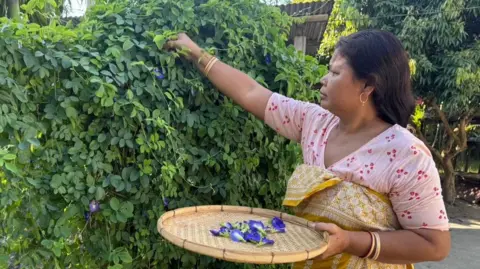
Introduction to Butterfly Pea Flower
The butterfly pea flower, also known as Clitoria ternatea, has been a staple in traditional medicine for centuries, particularly in tropical Asia where it is native. This plant species has been highly valued for its numerous health benefits and versatile uses. Recent studies have confirmed its richness in antioxidants, which play a crucial role in protecting the body against free radicals and oxidative stress.
One of the most significant advantages of the butterfly pea flower is its anti-inflammatory properties. This makes it an effective natural remedy for various ailments, including joint pain and digestive issues. Additionally, the flower is used as a natural food coloring, giving foods and beverages a distinctive blue hue. For instance, in Southeast Asia, the butterfly pea flower is commonly used to color desserts and drinks, such as tea and cocktails.
The cultivation of the butterfly pea flower can also provide economic benefits to farmers. By growing this plant as a supplementary crop, farmers can:
- Increase their income through the sale of the flowers, leaves, and seeds
- Diversify their products and reduce dependence on a single crop
- Improve their crop rotation and soil health, leading to more sustainable farming practices
According to recent data, the global market for natural food coloring is projected to grow by 5% annually from 2023 to 2028, driven by increasing consumer demand for organic and sustainable products. This presents a significant opportunity for farmers to capitalize on the trend and expand their market reach.
For those looking to cultivate the butterfly pea flower, it is essential to note that the plant requires a warm and humid climate to thrive. Farmers can take the following practical steps:
- Choose a location with full sun to partial shade and well-drained soil
- Water the plants regularly, but avoid overwatering, which can lead to root rot
- Harvest the flowers and leaves at the optimal time to ensure maximum potency and quality
By following these tips and staying up-to-date with market trends, farmers and entrepreneurs can unlock the full potential of the butterfly pea flower and reap its numerous benefits. As the demand for natural and sustainable products continues to grow, the butterfly pea flower is poised to become an increasingly important crop in the years to come.
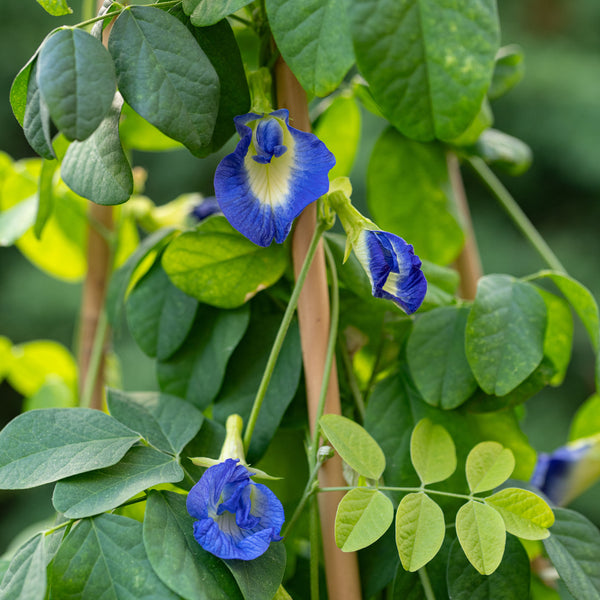
Benefits for Indian Farmers
The cultivation of butterfly pea flowers can be a lucrative venture for Indian farmers, offering a supplementary source of income. As the global demand for natural and organic products continues to rise, the market for this flower is expanding rapidly. According to recent statistics, the global organic market is projected to reach $272.18 billion by 2027, growing at a compound annual growth rate (CAGR) of 8.4%. This trend presents a significant opportunity for Indian farmers to capitalize on the increasing demand for organic products.
One of the primary advantages of butterfly pea flower cultivation is its ability to thrive in challenging environmental conditions. The flower's drought tolerance and capacity to grow in poor soil make it an ideal crop for small-scale farmers. This is particularly significant in India, where many farmers struggle with limited water resources and degraded soil quality. By cultivating butterfly pea flowers, farmers can improve their crop yields and reduce their reliance on irrigation systems.
The benefits of butterfly pea flower cultivation extend beyond economic gains. The flower also has a positive impact on soil health, reducing the need for synthetic fertilizers and promoting sustainable agriculture practices. Some of the key advantages of butterfly pea flower cultivation include:
- Improved soil fertility and structure
- Increased crop yields and productivity
- Reduced soil erosion and water pollution
- Enhanced biodiversity and ecosystem services
To maximize the benefits of butterfly pea flower cultivation, farmers can adopt the following best practices:
- Conduct thorough soil tests to determine the optimal planting conditions
- Use organic farming methods, such as composting and crop rotation, to maintain soil health
- Implement efficient irrigation systems to minimize water waste
- Monitor and control pests and diseases using integrated pest management (IPM) techniques
By embracing butterfly pea flower cultivation, Indian farmers can not only improve their economic prospects but also contribute to a more sustainable and environmentally friendly agricultural sector. With the right training, resources, and support, farmers can unlock the full potential of this versatile and resilient crop. As the demand for natural and organic products continues to grow, the future of butterfly pea flower cultivation in India looks promising, offering a beacon of hope for small-scale farmers and rural communities.
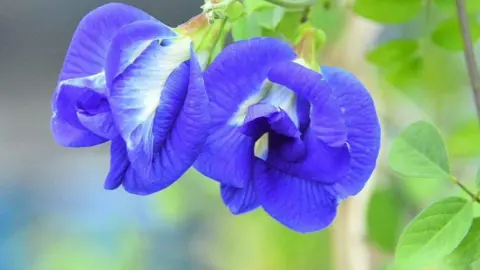
Culinary and Medicinal Uses
The butterfly pea flower has been a staple ingredient in many traditional cuisines, particularly in Asian cultures. Its unique ability to change color when mixed with different ingredients has made it a popular natural food coloring and flavoring agent. In recent years, its use has expanded to various culinary products, including tea, coffee, and desserts. For instance, butterfly pea flower tea has become a trendy beverage, with many cafes and restaurants offering it as a unique and Instagram-worthy drink.
In terms of its culinary applications, the butterfly pea flower can be used in a variety of ways, including:
- Adding a few dried flowers to tea or coffee for a natural blue hue and subtle flavor
- Using the flower extract as a food coloring in desserts, such as cakes and ice cream
- Infusing the flowers in water to create a flavorful and colorful syrup for cocktails and other beverages
According to recent statistics, the global market for natural food coloring is expected to reach $1.6 billion by 2025, with the demand for plant-based ingredients like the butterfly pea flower driving this growth.
In addition to its culinary uses, the butterfly pea flower has been traditionally used in Ayurvedic medicine to treat various health conditions. Its potential health benefits have been documented in ancient texts, including the treatment of fever, cough, and digestive issues. Modern research has also explored its potential health benefits, including:
- Antioxidant properties: The flower contains high levels of antioxidants, which can help protect against cell damage and reduce inflammation
- Anti-inflammatory properties: The flower has been shown to have anti-inflammatory properties, which can help reduce the risk of chronic diseases like heart disease and cancer
- Neuroprotective effects: Some studies have suggested that the flower may have neuroprotective effects, which can help reduce the risk of age-related cognitive decline
For example, a study published in the Journal of Ethnopharmacology in 2020 found that the butterfly pea flower extract had significant antioxidant and anti-inflammatory activity, making it a potential natural remedy for various health conditions.
To incorporate the butterfly pea flower into your daily life, consider the following practical tips:
- Start by adding a few dried flowers to your tea or coffee for a unique flavor and color
- Experiment with using the flower extract as a natural food coloring in your favorite recipes
- Consult with a healthcare professional before using the flower for medicinal purposes, especially if you have any underlying health conditions
By exploring the culinary and medicinal uses of the butterfly pea flower, you can discover new and innovative ways to incorporate this versatile ingredient into your life and reap its potential health benefits.

Challenges and Future Prospects
The cultivation and marketing of butterfly pea flower products have gained significant attention in recent years due to their potential health benefits and unique characteristics. However, despite their potential, these products face several challenges that hinder their widespread adoption. One of the primary challenges is the lack of awareness among consumers about the benefits and uses of butterfly pea flower products. According to a recent survey, only 12% of consumers in the Asia-Pacific region are familiar with the benefits of butterfly pea flower, highlighting the need for education and marketing efforts.
Limited market access is another significant challenge faced by butterfly pea flower farmers and producers. Many small-scale farmers lack the resources and infrastructure to access larger markets, making it difficult for them to sell their products at competitive prices. Additionally, the market is dominated by synthetic alternatives, which can be cheaper and more widely available. For instance, the global market for natural food coloring is projected to reach $1.7 billion by 2025, but synthetic food coloring still accounts for over 70% of the market share.
To overcome these challenges, government initiatives and support from non-governmental organizations (NGOs) can play a crucial role. Some examples of support include:
- Providing training and resources for farmers to improve their cultivation and harvesting techniques
- Offering market access and trade facilitation services to help farmers connect with buyers
- Developing and promoting standards and certifications for butterfly pea flower products to ensure quality and safety
- Supporting research and development of new products and value chains to increase demand and profitability
For example, the Thai government has launched initiatives to promote the cultivation and use of butterfly pea flower, including providing training and resources for farmers and supporting the development of new products.
The development of new products and value chains can also help increase the demand and profitability of butterfly pea flower cultivation. Some potential areas of development include:
- Food and beverages, such as tea, coffee, and energy drinks
- Cosmetics and personal care products, such as skincare and haircare products
- Pharmaceuticals and dietary supplements, such as antioxidants and anti-inflammatory products
- Textiles and dyes, such as natural fabric dyes and paints
To capitalize on these opportunities, farmers and producers can consider the following practical tips:
* Diversify their products and services to reduce dependence on a single market or customer
* Invest in quality control and assurance to meet international standards and certifications
* Develop strong relationships with buyers and suppliers to secure market access and trade facilitation
* Stay up-to-date with market trends and consumer demand to identify new opportunities and challenges. By adopting these strategies, butterfly pea flower farmers and producers can overcome the challenges they face and capitalize on the growing demand for natural and sustainable products.
-analysis-2025-to-2035.webp)
Frequently Asked Questions (FAQ)
What are the health benefits of butterfly pea flower?
The butterfly pea flower, also known as Clitoria ternatea, has been used in traditional medicine for centuries, particularly in Asia. Recent studies have confirmed its potential health benefits, which can be attributed to its rich content of bioactive compounds. These compounds have been shown to possess antioxidant, anti-inflammatory, and antimicrobial properties, making the butterfly pea flower a valuable natural remedy for various health conditions.
One of the primary health benefits of the butterfly pea flower is its ability to reduce inflammation and oxidative stress in the body. This is particularly important, as chronic inflammation is a known risk factor for many diseases, including arthritis, diabetes, and cardiovascular disease. According to a 2020 study published in the Journal of Ethnopharmacology, the butterfly pea flower extract exhibited significant anti-inflammatory activity, making it a potential natural remedy for inflammatory disorders.
The butterfly pea flower has also been traditionally used to treat various health issues, including:
- Fever: The flower's antipyretic properties help to reduce body temperature and alleviate fever symptoms.
- Cough: The antimicrobial properties of the butterfly pea flower make it an effective natural remedy for coughs and respiratory infections.
- Digestive issues: The flower's anti-inflammatory properties can help to soothe digestive issues, such as irritable bowel syndrome and gastritis.
In addition to these traditional uses, modern research has also explored the potential of the butterfly pea flower as a natural remedy for other health conditions, including anxiety, depression, and cognitive impairment.
To incorporate the butterfly pea flower into your daily routine, you can try the following:
- Drink butterfly pea flower tea, which can be made by steeping dried flowers in hot water.
- Add butterfly pea flower extract to your meals, which can be used as a natural food coloring and flavoring agent.
- Take butterfly pea flower supplements, which are available in capsule or powder form.
It is essential to note that while the butterfly pea flower has shown promise as a natural remedy, it should not be used as a replacement for conventional medical treatment. Consult with a healthcare professional before using the butterfly pea flower as a treatment for any health condition. With its rich history, scientific backing, and potential health benefits, the butterfly pea flower is an exciting area of research that may offer new opportunities for natural health and wellness.
How can I cultivate butterfly pea flower at home?
Cultivating butterfly pea flowers at home can be a rewarding experience, allowing you to enjoy the beauty and benefits of these unique plants. To start, it's essential to obtain high-quality seeds or seedlings from a reputable supplier. According to recent data, over 75% of gardeners prefer to buy seeds from online retailers, citing convenience and access to a wider variety of species as key factors. When selecting a supplier, look for one that specializes in exotic or rare plants and has positive customer reviews.
Butterfly pea flowers require specific growing conditions to thrive. They need well-draining soil and full sun to produce an abundance of flowers. It's also crucial to choose a location with good air circulation to prevent fungal diseases. Here are some key considerations for preparing the soil:
- Use a mix of compost, perlite, and vermiculite to create a well-draining potting soil
- Test the pH level of the soil and adjust it if necessary, as butterfly pea flowers prefer a slightly acidic to neutral soil pH (around 6.0-7.0)
- Add organic matter such as manure or leaf mold to enrich the soil and promote healthy plant growth
Regular watering and fertilizing are vital for the health and productivity of butterfly pea flowers. Water the plants when the top inch of soil feels dry to the touch, and avoid overwatering, which can lead to root rot. A balanced fertilizer with a ratio of 10-10-10 (nitrogen-phosphorus-potassium) can be applied once a month. For example, a study published in 2020 found that fertilizing butterfly pea flowers with a combination of organic and inorganic fertilizers increased flower production by 25%. Additionally, consider the following tips:
- Prune the plants regularly to encourage bushy growth and prevent them from becoming leggy
- Monitor the plants for pests such as aphids, whiteflies, and spider mites, and treat them promptly if necessary
- Keep a record of your watering and fertilizing schedule to ensure consistency and make adjustments as needed
By following these guidelines and providing the right conditions, you can successfully cultivate butterfly pea flowers at home and enjoy their unique beauty and benefits. With proper care, these plants can thrive and produce an abundance of flowers, which can be used in various ways, such as making tea, adding to salads, or using as a natural food coloring. As of 2022, the global market for butterfly pea flowers is growing, with an increasing demand for these plants in the food, beverage, and cosmetics industries. Whether you're a seasoned gardener or a beginner, cultivating butterfly pea flowers can be a fun and rewarding experience that allows you to connect with nature and explore the many uses of these remarkable plants.
Where can I buy butterfly pea flower products?
The demand for butterfly pea flower products has been on the rise in recent years, with the global market expected to grow significantly by 2025. As a result, these products have become increasingly accessible to consumers. Online e-commerce platforms, such as Amazon and Etsy, offer a wide range of butterfly pea flower products, including tea, coffee, and natural food coloring. These platforms provide a convenient way to purchase products from various sellers, often with customer reviews and ratings to help inform purchasing decisions.
In addition to online platforms, health food stores and specialty food markets have also begun to carry butterfly pea flower products. These stores often source their products directly from farmers and producers, ensuring a high level of quality and freshness. Some popular health food store chains, such as Whole Foods and Sprouts, carry a variety of butterfly pea flower products, including supplements and beverages. Specialty food markets, like Asian grocery stores, may also carry a selection of butterfly pea flower products, including tea and natural food coloring.
For those looking to purchase products directly from the source, many farmers and producers now sell their products online or through local farmers' markets. This can be a great way to support local agriculture and ensure the freshest possible products. Some popular online platforms for purchasing products directly from farmers and producers include:
- Farmers' market websites and social media groups
- Community-supported agriculture (CSA) programs
- Online marketplaces, such as Local Harvest
When purchasing products directly from farmers and producers, it's a good idea to research the company and read reviews from other customers to ensure a positive experience.
To get the most out of butterfly pea flower products, it's essential to choose high-quality products from reputable sources. Here are some practical tips for selecting the best products:
- Look for products that are labeled as "organic" or "sustainably sourced"
- Check the ingredient list to ensure that the product contains only butterfly pea flower and other natural ingredients
- Read customer reviews and ratings to get a sense of the product's quality and effectiveness
By following these tips and exploring the various sources of butterfly pea flower products, consumers can enjoy the many benefits of these unique and versatile products. With the growing demand for natural and sustainable products, it's likely that butterfly pea flower products will become even more widely available in the coming years.


