
The Ugly Truth About Cord Blood Banks
The cord blood banking industry: where desperation meets exploitation. Expectant parents, already overwhelmed with emotions and responsibilities, are swooped in by vultures disguised as "experts" and "counselors". These sharks prey on fears, touting the "life-saving" potential of cord blood, while conveniently omitting the ugly facts.
Let's get down to business. The harsh reality is that:
- Most donated cord blood is tossed in the trash due to contamination or poor quality – a staggering 70% of donations are deemed unusable.
- Private cord blood banks charge outrageous fees, often upwards of $2,000, for a service that's about as useful as a lottery ticket.
- The chances of a child actually needing their own cord blood are laughably low – we're talking 1 in 1,000,000 low.
- A 2019 study found that only 1 in 5 cord blood donations were actually used for transplants.
- A class-action lawsuit was filed against a major cord blood bank in 2020, alleging deceptive business practices and false advertising.
- The FDA has issued numerous warnings to cord blood banks for violating regulations and making unsubstantiated claims.

The Lack of Regulation in the Cord Blood Industry
The cord blood industry: where desperation meets deceit. It's a free-for-all, where anyone can set up shop and start peddling false hope to vulnerable parents. And why not? There's no one to stop them.
The lack of oversight is a joke. It's like the Wild West, but instead of guns and outlaws, you've got unscrupulous companies preying on people's fears. And the victims? Gullible parents, shelling out thousands of dollars for a service that's about as useful as a Participation Trophy.
Here are some "highlights" of the industry's questionable practices:
- Cord blood banks that claim a 100% success rate – without ever defining what "success" means.
- Companies that use fake testimonials and paid actors to peddle their wares.
- Banks that "lose" or "misplace" samples, leaving parents with nothing but a lighter wallet.
- So-called "experts" who tout the benefits of cord blood storage without disclosing their financial ties to the industry.
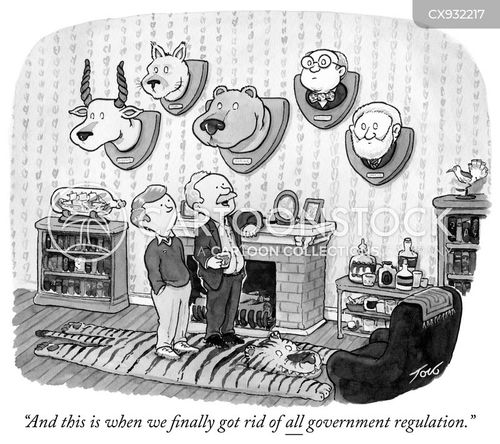
The Medical Community's Role in Perpetuating the Hype
The medical community's role in the cord blood hype is a masterclass in corruption and incompetence. It's a tangled web of financial ties, flawed studies, and blatant misinformation. Doctors and medical professionals with investments in cord blood banks are the epitome of conflict of interest. They're like used car salesmen, peddling a product they know is subpar, but will make them a pretty penny.
The so-called "research" published in medical journals is a joke. It's like they're competing in a bad science fair.
- Flawed methodologies that would get a high school student an F in statistics class
- Bias so thick you could cut it with a knife, and still have enough left over to serve at a medical conference
- Conclusions that are about as solid as a house of cards in a hurricane
- Patient testimonies that are about as credible as a timeshare presentation
- Ridiculous success rates that are only achievable in a fantasy world
- Downplaying the risks, because who needs informed consent, anyway?
- A "success rate" of 0.01% is touted as a miracle, when in reality it's just a rounding error
- Patient outcomes that are about as impressive as a participation trophy
- Cost-benefit analyses that are so flawed, they might as well be written in crayon

The Emotional Manipulation of Expectant Parents
Oh joy, expectant parents get to be bombarded with yet another guilt trip: cord blood banking. Because what's more fun than being manipulated into shelling out thousands of dollars for a service that might, just might, potentially save your child's life? The emotional appeals are relentless, preying on your deepest fears of losing your little bundle of joy or missing out on a magical cure-all.
The industry's tactics are as subtle as a sledgehammer:
- Scare-mongering about the limited window for collection and the dire consequences of not banking that precious cord blood
- Heart-wrenching stories of children who allegedly benefited from cord blood transplants, carefully curated to tug at your heartstrings
- Cherry-picked "expert" endorsements from "renowned" specialists who just happen to have a vested interest in the cord blood banking business
- Less than 1% of children will ever need a cord blood transplant
- The chances of a child needing a transplant from their own cord blood are roughly 1 in 1,000
- The majority of cord blood units are discarded due to contamination or other issues, rendering them useless


