The Abdication of King Edward VIII
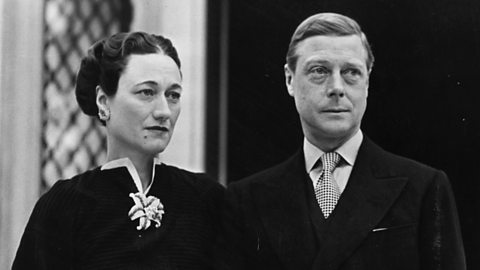
The decision of King Edward VIII to abdicate the throne in 1936 sent shockwaves throughout the British monarchy and beyond. At the heart of the crisis was the king's intention to marry Wallis Simpson, an American divorcee. This move was deemed unacceptable by the British government and the Church of England, as it went against the traditional values and rules that governed the royal family's personal lives.
The implications of this event were far-reaching, leading to a significant shift in the way the British monarchy approached marriage and personal relationships. Expert historians note that the royal family was increasingly expected to adhere to traditional values, with a strong emphasis on maintaining a sense of dignity and respect for the institution of the monarchy. Some of the key takeaways from this event include:
- The importance of considering the potential consequences of personal choices on the monarchy's public image
- The need for the royal family to balance personal desire with royal duty and responsibility
- The enduring impact of the monarchy's personal choices on public perception and the institution as a whole
- Consider seeking advice from experts or mentors who understand the nuances of public life and the importance of maintaining a positive image
- Be mindful of the potential consequences of personal choices on one's professional and public life
- Strive to balance personal desire with responsibility and duty, recognizing the impact that individual actions can have on others and the institution as a whole
The Princess Diana Car Crash
The sudden and tragic loss of Princess Diana in 1997 sent shockwaves around the world, prompting an outpouring of grief and outrage. As the news of the car crash in Paris broke, many were quick to point fingers at the paparazzi, who had been aggressively pursuing the royal family in the months and years leading up to the accident. The intense media scrutiny and relentless pursuit of Princess Diana and her companion, Dodi Fayed, on that fateful night are widely regarded as contributing factors to the crash.
Investigations into the crash revealed a complex interplay of factors that ultimately led to the tragic outcome. Key findings included:
- The actions of the driver, Henri Paul, who was found to have been driving at excessive speeds and under the influence of alcohol and prescription medication
- The aggressive pursuit of the paparazzi, who were driving recklessly and disregarding the safety of the royal family and other road users
- The royal family's own security protocols, which were found to be inadequate and ineffective in protecting Princess Diana and her companions from the paparazzi
- Support media outlets that prioritize responsible and respectful reporting
- Be cautious of sensational or intrusive reporting, and avoid engaging with or sharing such content
- Respect the boundaries and privacy of public figures, including the royal family

The Prince Charles and Camilla Parker Bowles Affair
The relationship between Prince Charles and Camilla Parker Bowles has been a subject of intense scrutiny and debate. Their long-term affair, which began in the 1970s, has had far-reaching consequences for the royal family. Royal experts argue that this affair, and the subsequent marriage between Charles and Camilla, has damaged the monarchy's reputation and undermined its moral authority.
The impact of the affair on Charles's marriage to Princess Diana is well-documented. The strain on their relationship was evident, and the media scrutiny surrounding the affair only exacerbated the situation. Key factors that contributed to the end of their marriage include:
- Lack of trust and communication
- Media pressure and constant scrutiny
- Charles's continued relationship with Camilla
- Only 33% of Britons believing that the monarchy is "relevant" to their lives (YouGov, 2020)
- 45% of respondents stating that they would support the abolition of the monarchy if Charles were to become king (The Guardian, 2018)
- Be more transparent and open about their personal lives and relationships
- Engage in more philanthropic work and charitable activities
- Adapt to changing social values and norms

The Prince Andrew and Jeffrey Epstein Scandal
The recent crisis surrounding Prince Andrew's association with convicted sex offender Jeffrey Epstein has sent shockwaves through the royal family and the public. At the center of the scandal is Prince Andrew's decision to maintain a close relationship with Epstein, despite knowing about his conviction for soliciting a minor for prostitution. This association has raised serious questions about the royal family's judgment and accountability, with many wondering how such a potentially damaging relationship was allowed to continue for so long.
Investigations have revealed a disturbing pattern of behavior, with Prince Andrew's actions being widely criticized for their potential harm to the monarchy's reputation and the victims of Epstein's abuse. Some of the key findings include:
- Prince Andrew's repeated visits to Epstein's properties, including his mansion in New York City and his private island in the Caribbean
- Allegations of Prince Andrew's involvement in Epstein's sex trafficking ring, with several women coming forward to accuse him of misconduct
- The royal family's initial response to the scandal, which was widely criticized for being inadequate and insensitive to the victims of Epstein's abuse
- Implementing a more transparent and accountable system for reporting and addressing wrongdoing within the royal family
- Providing support and resources for the victims of Epstein's abuse, including counseling and compensation
- Conducting a thorough investigation into Prince Andrew's actions and the royal family's knowledge of his association with Epstein
- Staying up-to-date with the latest news and developments in the scandal
- Supporting organizations that provide resources and support for victims of sex trafficking and abuse
- Calling for greater transparency and accountability within the royal family and other institutions