Historical Context of the Sudan War
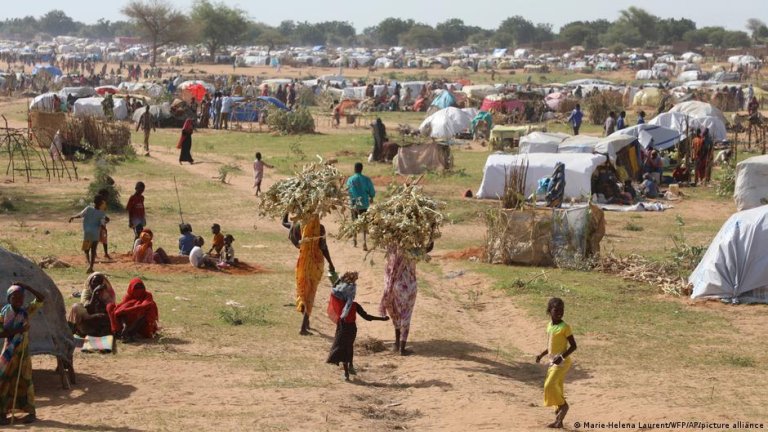
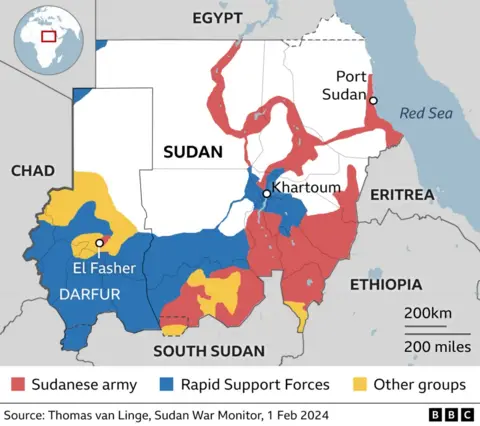
The Sudan war has its roots in the early 2000s, with the conflict in Darfur resulting in devastating consequences. According to the United Nations, the crisis has led to over 300,000 deaths and 2.7 million displaced people, with many more affected by the ongoing violence. The conflict has also had a significant impact on the regional stability, with neighboring countries feeling the effects of the crisis.
To understand the complexities of the Sudan war, it is essential to examine the underlying factors that have contributed to the conflict. Expert analysis suggests that the war is a result of a complex interplay between ethnic, economic, and political factors. Some of the key factors include:
- Ethnic tensions between different groups, including the Arab-dominated government and the non-Arab populations of Darfur
- Economic factors, such as competition for resources and land
- Political factors, including the marginalization of certain groups and the concentration of power in the hands of a few
- Stay informed about the latest developments in the conflict, through reputable sources such as the UN or human rights organizations
- Support organizations working to provide humanitarian aid and support to those affected by the conflict
- Advocate for policies and actions that promote peace, justice, and human rights in Sudan

Reports of Mass Killings in el-Fasher
The situation in el-Fasher is dire, with recent reports indicating that hundreds of civilians have been killed in the violence. The numbers are staggering, with over 500 civilians reportedly killed in the past month alone, and many more injured or displaced. According to the United Nations, over 100,000 people have been forced to flee their homes, seeking refuge in nearby camps or other safe areas.
The attacks are particularly concerning due to their targeted nature. Testimonies from survivors describe the brutal attacks, with armed groups targeting specific ethnic groups. This has led to widespread fear and mistrust among the population, with many feeling that they are being singled out due to their ethnicity. Some of the key characteristics of these attacks include:
- Deliberate targeting of civilians, including women and children
- Use of heavy weaponry, including artillery and aerial bombardment
- Reports of torture and other human rights abuses
- Providing humanitarian aid, including food, shelter, and medical care, to those affected by the violence
- Supporting efforts to investigate and prosecute those responsible for the attacks
- Working to broker a peaceful resolution to the conflict, including through diplomatic efforts and support for local peace initiatives
- Staying informed about the situation and raising awareness among friends and family
- Supporting organizations working on the ground to provide humanitarian aid and support to those affected
- Calling on elected officials to take action and provide support for a peaceful resolution to the conflict
Humanitarian Crisis and Refugee Situation
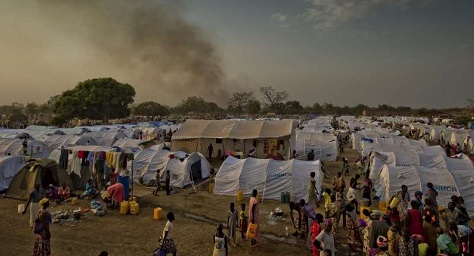
The ongoing conflict has led to a devastating humanitarian crisis, with millions of people in dire need of assistance. As of 2022, the United Nations estimates that over 13 million people require humanitarian aid, including food, shelter, and medical care. This crisis is further exacerbated by the lack of access to basic necessities, such as clean water, sanitation, and healthcare.
Refugee camps are particularly affected, with many facing severe overcrowding and underfunding. For example, the Zaatari refugee camp in Jordan, which hosts over 80,000 refugees, struggles to provide adequate shelter, food, and medical care to its residents. The consequences of this are far-reaching, with many refugees forced to live in precarious conditions, vulnerable to disease, exploitation, and violence. Some of the key challenges faced by refugee camps include:
- Insufficient funding, resulting in inadequate provision of food, shelter, and medical care
- Limited access to education and employment opportunities, exacerbating poverty and dependence on aid
- Inadequate protection, leaving refugees vulnerable to exploitation, abuse, and violence
- Donate to reputable humanitarian organizations, such as the UNHCR or the Red Cross
- Spread awareness about the crisis, using social media and other platforms to raise awareness and mobilize support
- Advocate for policy changes, pushing governments to increase funding and support for humanitarian efforts
- Research the organization, ensuring it is reputable and transparent in its operations
- Consider monthly giving, providing a steady stream of funding to support ongoing humanitarian efforts
- Look for organizations that prioritize local partnerships and community-led initiatives, ensuring that aid is tailored to the specific needs of the affected population
International Response and Prevention of Future Atrocities
The need for a unified global response to mass atrocities cannot be overstated. In recent years, the world has witnessed devastating conflicts in countries such as Syria, Yemen, and Myanmar, resulting in immense human suffering and loss of life. According to the United Nations, there are currently over 80 million forcibly displaced people worldwide, with this number expected to continue growing unless concerted efforts are made to address the root causes of these conflicts.
To effectively prevent future atrocities, it is essential to hold perpetrators accountable for their actions. This can be achieved through:
- International criminal investigations and prosecutions
- Targeted sanctions against individuals and entities responsible for human rights abuses
- Support for local and national efforts to promote justice and accountability
- Mediation and dialogue between conflicting parties
- Support for local and national peacebuilding initiatives
- International cooperation and coordination to address the root causes of the conflict
- Support for local and national development initiatives, such as education and economic empowerment programs
- Addressing the social, economic, and political inequalities that contribute to conflict
- Promoting good governance, human rights, and the rule of law

Frequently Asked Questions (FAQ)
What is the current situation in Darfur?
The crisis in Darfur has been ongoing for nearly two decades, with the conflict showing little signs of abating. Despite international efforts to broker peace and provide humanitarian aid, the situation on the ground remains precarious. According to recent reports from the United Nations, over 300,000 people have been displaced in the past year alone, with many more living in fear of violence and persecution. The humanitarian crisis in Darfur is multifaceted, with various factors contributing to the dire situation. Some of the key challenges include:
- Food insecurity, with over 70% of the population relying on external aid to survive
- Limited access to healthcare, with many medical facilities damaged or destroyed
- Insufficient shelter, with thousands of people living in makeshift camps
- Inadequate protection, with women and children particularly vulnerable to violence and exploitation
- Donating to reputable aid organizations, such as the UN High Commissioner for Refugees or the International Rescue Committee
- Spreading awareness about the crisis in Darfur, through social media or community outreach
- Supporting advocacy efforts, such as signing petitions or contacting elected officials
- Volunteering with organizations that work in the region, either remotely or in-person


