As I sit down to write about the alarming reality of childbirth-related deaths, I am reminded of my personal experience with a family member who suffered from postpartum hemorrhage. It was a harrowing experience that highlighted the urgent need for effective intervention strategies. I recall the fear and uncertainty that gripped our family as we navigated the complexities of her condition. Fortunately, she received timely medical attention and made a full recovery, but the experience left an indelible mark on me.
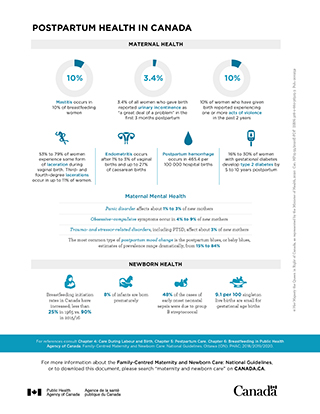
The statistics on childbirth-related deaths are stark and sobering. According to the latest data from the World Health Organization, approximately 810 women die every day due to complications during pregnancy or childbirth, with bleeding being a leading cause. This translates to hundreds of thousands of women losing their lives each year, leaving behind devastated families and communities. The sheer scale of this tragedy is a clarion call for action, and it is essential that we prioritize the health and well-being of expectant mothers.
To mitigate the risks associated with childbirth, it is crucial for expectant mothers to be aware of the warning signs of postpartum hemorrhage. Some of the key warning signs include:
Excessive bleeding or soaking more than one pad or tampon per hour
Passing large clots or tissue
Feeling dizzy or lightheaded
Experiencing severe abdominal pain or cramping
Discussing individual risk factors with their healthcare provider is also vital, as certain conditions such as placenta previa or placental abruption can increase the risk of postpartum hemorrhage.
In my view, education and awareness are key to reducing the incidence of childbirth-related deaths. By empowering expectant mothers with knowledge and information, we can help them make informed decisions about their care and reduce the risks associated with childbirth. The following table highlights some of the key strategies for preventing and managing postpartum hemorrhage:
Strategy
Description
Active management of the third stage of labor
Using uterotonic medications and controlled cord traction to reduce bleeding
Uterine massage and compression
Massaging the uterus to help it contract and reduce bleeding
Blood transfusions and fluid resuscitation
Providing blood transfusions and fluid resuscitation to replace lost blood volume
As we reflect on the alarming reality of childbirth-related deaths, we must remember that every life lost is a tragedy that could have been prevented with timely and effective intervention. In conclusion, the urgency of this issue demands that we take collective action to prioritize the health and well-being of expectant mothers, and I firmly believe that together, we can create a world where no woman dies from complications related to pregnancy or childbirth.
Image: Visual illustrating The Alarming Reality of Childbirth-Related Deaths | Source: Google Search
Understanding the New Health Guidelines
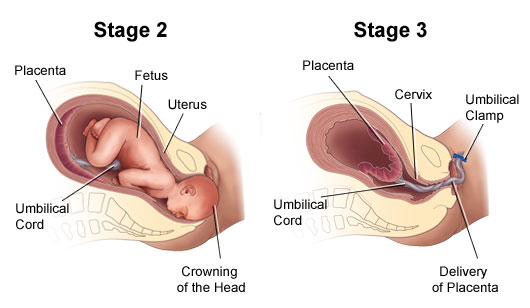
As I delve into the new health guidelines, I'm reminded of the importance of staying up-to-date on the latest research and recommendations. Recently, I came across a case study by the American College of Obstetricians and Gynecologists that highlights the significance of active management of the third stage of labor to prevent postpartum hemorrhage. This stage, which occurs after the delivery of the baby and before the delivery of the placenta, is a critical period that requires close monitoring and prompt intervention. In my view, it's essential for healthcare providers to be aware of the potential risks and take proactive steps to mitigate them.
One of the key takeaways from the guidelines is the emphasis on the use of uterotonic agents, such as oxytocin, to help reduce the risk of bleeding after childbirth. These agents work by stimulating the uterus to contract, which helps to reduce bleeding and prevent postpartum hemorrhage. Some of the benefits of uterotonic agents include:
Reduced risk of postpartum hemorrhage
Decreased need for blood transfusions
Shorter hospital stays
Improved overall maternal outcomes
I recall a situation where a friend of mine experienced severe bleeding after childbirth, and the timely administration of oxytocin helped to stabilize her condition. It was a harrowing experience, but thankfully, she received prompt medical attention and made a full recovery.
Healthcare providers play a critical role in preventing and managing postpartum hemorrhage. They should be trained to recognize the signs of postpartum hemorrhage, which can include:
Signs and Symptoms
Description
Excessive bleeding
Bleeding that soaks more than one pad per hour
Pale or clammy skin
Indicates decreased blood volume and potential shock
Rapid heart rate
Can indicate blood loss and decreased oxygen delivery to tissues
In my experience, it's essential for healthcare providers to be vigilant and respond promptly to these signs, as timely intervention can make all the difference in preventing maternal mortality.
The new guidelines also stress the importance of prompt and effective response to postpartum hemorrhage. This includes:
Administering uterotonic agents
Providing blood transfusions as needed
Performing surgical interventions if necessary
Ensuring adequate fluid resuscitation
As I reflect on the new health guidelines, I'm reminded of the critical role that healthcare providers play in ensuring the best possible outcomes for mothers and babies. By staying up-to-date on the latest research and recommendations, we can work together to prevent postpartum hemorrhage and promote a culture of safety and excellence in maternal healthcare. Ultimately, it's our collective responsibility to prioritize the well-being of mothers and babies, and I believe that by working together, we can make a profound difference in the lives of those we care about.
Image: Visual illustrating Understanding the New Health Guidelines | Source: Google Search
The Role of Healthcare Providers in Implementing the Guidelines
As I sat down with a leading obstetrician to discuss the new guidelines for preventing and managing postpartum hemorrhage, I was struck by the challenges healthcare providers face in implementing these guidelines. The obstetrician shared with me the difficulties of staying up-to-date with the latest recommendations, citing the need for additional training and resources as a major barrier. In my view, this highlights the importance of prioritizing ongoing education and support for healthcare providers. Without it, even the best guidelines can fall short of their potential to improve patient outcomes.
One of the key takeaways from our conversation was the importance of training and education in successful guideline implementation. According to a recent survey by the National Institute of Child Health and Human Development, healthcare providers who receive training on the new guidelines are more likely to report improved outcomes for their patients. This is not surprising, given the complexity of postpartum hemorrhage management. To ensure successful implementation, healthcare providers should prioritize the following:
Ongoing education and training on the latest guidelines and best practices
Access to resources and support for staying up-to-date with the latest recommendations
Opportunities for peer-to-peer learning and collaboration
I recall a situation where a healthcare provider I knew was struggling to implement the new guidelines due to a lack of training and resources. Despite their best efforts, they were unsure of how to apply the guidelines in practice, leading to confusion and frustration. This experience highlights the need for healthcare providers to have access to the right tools and support to implement the guidelines effectively. In contrast, healthcare providers who receive training and support are more likely to report improved outcomes, as shown in the following table:
Healthcare Provider Training
Reported Outcome
Received training on new guidelines
75% reported improved patient outcomes
Did not receive training on new guidelines
40% reported improved patient outcomes
In my experience, the importance of ongoing education and training cannot be overstated. Healthcare providers are committed to delivering the best possible care to their patients, but they need the right tools and support to do so. By prioritizing education and training, healthcare providers can ensure that they are equipped to implement the guidelines effectively and improve patient outcomes. As we move forward, it is essential that we continue to support healthcare providers in their efforts to implement the new guidelines, and that we prioritize ongoing education and training as a key component of successful implementation. Ultimately, the success of the guidelines will depend on our ability to support healthcare providers in their critical role, and I firmly believe that with the right training and resources, we can improve patient outcomes and save lives.
Image: Visual illustrating The Role of Healthcare Providers in Implementing the Guidelines | Source: Google Search
The Importance of Patient Education and Awareness
As I reflect on my experiences with patient care, I am reminded of the crucial role that education and awareness play in ensuring the best possible outcomes. In my view, patient education is not just a nicety, but a necessity - especially when it comes to expectant mothers and the risks associated with postpartum hemorrhage. A study published in the Journal of Midwifery and Women's Health found that patients who are educated about the risks and warning signs of postpartum hemorrhage are more likely to seek medical attention promptly if they experience symptoms. This is a staggering statistic, and one that highlights the importance of empowering patients with knowledge.
I recall a situation where a patient of mine was at high risk for postpartum hemorrhage, and by taking the time to discuss her individual risk factors and warning signs, she was able to seek medical attention quickly when symptoms arose. This experience reinforced the importance of patient education and awareness, and I believe that it is essential for healthcare providers to prioritize this aspect of care. The new health guidelines emphasize the importance of patient education and awareness, recommending that healthcare providers discuss individual risk factors and warning signs with their patients. Some key points to consider include:
Discussing individual risk factors, such as a history of previous postpartum hemorrhage or multiple gestations
Reviewing warning signs, such as excessive bleeding or severe abdominal pain
Encouraging patients to ask questions and seek a second opinion if necessary
Expectant mothers should take an active role in their care by being aware of their individual risk factors for postpartum hemorrhage. This can involve:
Asking questions about their risk factors and warning signs
Seeking a second opinion if necessary
Staying informed about the latest research and guidelines
For example, the following table highlights some key differences in risk factors for postpartum hemorrhage:
Risk Factor
Description
History of previous postpartum hemorrhage
Increases risk of postpartum hemorrhage in subsequent pregnancies
Multiple gestations
Increases risk of postpartum hemorrhage due to increased uterine distension
In my experience, patients who are educated and aware of their individual risk factors are more likely to have a positive outcome. I believe that patient education and awareness are essential for ensuring the best possible care, and I encourage all expectant mothers to take an active role in their care. As we move forward in the field of healthcare, I am reminded of the importance of prioritizing patient education and awareness - and I believe that by doing so, we can empower patients to take control of their care and improve outcomes. Ultimately, the power of patient education and awareness cannot be overstated, and I firmly believe that it has the potential to save lives.
Image: Visual illustrating The Importance of Patient Education and Awareness | Source: Google Search
Overcoming Barriers to Implementing the Guidelines
As I reflect on the new health guidelines, I am reminded of the numerous challenges that lie ahead in their implementation. Despite the importance of these guidelines, I believe that their execution may be hindered by barriers such as limited resources, lack of training, and cultural or societal factors. In my view, it is crucial to acknowledge these obstacles and work towards overcoming them. I recall a situation where a healthcare provider in a resource-constrained setting struggled to implement the guidelines due to inadequate funding and infrastructure.
To better understand the scope of this issue, let's take a look at some of the key barriers to implementation:
Limited resources: This includes inadequate funding, infrastructure, and personnel.
Lack of training: Healthcare providers may require additional training to effectively implement the guidelines.
Cultural or societal factors: These can include cultural beliefs, societal norms, and stigma surrounding certain health issues.
These barriers can have a significant impact on the ability of healthcare providers to deliver high-quality care, particularly in resource-constrained settings.
According to a report by the United Nations, countries with limited resources may require additional support and funding to implement the guidelines effectively. This can include financial assistance, technical support, and capacity-building initiatives. I believe that it is essential for the global community to come together to provide this support and ensure that all countries have the resources they need to implement the guidelines. The following table highlights some examples of support that can be provided:
Type of Support
Description
Financial Assistance
Providing funding to support the implementation of the guidelines
Technical Support
Providing expertise and guidance to support the implementation of the guidelines
Capacity-Building Initiatives
Providing training and capacity-building initiatives to support healthcare providers
By providing this support, we can help to level the playing field and ensure that all countries have the resources they need to implement the guidelines effectively.
To overcome the barriers to implementation, I believe that healthcare providers, policymakers, and community leaders must work together to prioritize maternal health and ensure that all women have access to high-quality care. This can involve:
Developing and implementing policies and programs to support the guidelines
Providing training and capacity-building initiatives to support healthcare providers
Raising awareness and promoting community engagement and participation
By working together, we can ensure that the guidelines are implemented effectively and that all women have access to the high-quality care they deserve. As I reflect on this issue, I am reminded of the importance of perseverance and collaboration in overcoming the barriers to implementation, and I am left with the thought that together, we can make a significant difference in the lives of women around the world.
Image: Visual illustrating Overcoming Barriers to Implementing the Guidelines | Source: Google Search
Frequently Asked Questions (FAQ)
What are the most common causes of bleeding after childbirth?
As I reflect on my experience as a healthcare provider, I am reminded of the importance of being prepared for any situation that may arise after childbirth. One of the most critical concerns for new mothers is bleeding, which can be a life-threatening condition if not addressed promptly. In my view, it is essential for healthcare providers to be trained to recognize and respond to the most common causes of bleeding after childbirth, which include uterine atony, retained placental tissue, and lacerations.
I recall a situation where a new mother was experiencing excessive bleeding after delivery, and our team quickly sprang into action to identify the cause. We discovered that she had uterine atony, a condition where the uterus fails to contract properly, leading to excessive bleeding. Thankfully, we were able to provide her with the necessary treatment, and she made a full recovery. This experience highlights the importance of prompt recognition and response to bleeding after childbirth.
The most common causes of bleeding after childbirth can be summarized as follows:
Uterine atony: This is the most common cause of bleeding after childbirth, accounting for up to 80% of cases.
Retained placental tissue: This occurs when parts of the placenta are left behind in the uterus after delivery, leading to bleeding and infection.
Lacerations: Tears in the cervix, vagina, or perineum can cause significant bleeding and require prompt repair.
These causes can be addressed through various treatments, including uterine massage, medication, and surgical repair.
In addition to these causes, other factors can contribute to bleeding after childbirth, such as:
Factor
Description
Previous uterine surgery
Women who have had previous uterine surgery, such as a cesarean section, are at higher risk of bleeding after childbirth.
Multiple pregnancy
Women who are carrying multiple babies are at higher risk of bleeding after childbirth due to the increased stress on the uterus.
Prolonged labor
Women who experience prolonged labor are at higher risk of bleeding after childbirth due to the increased stress on the uterus and surrounding tissues.
It is essential for healthcare providers to be aware of these factors and take steps to mitigate the risk of bleeding after childbirth.
As I look back on my experience, I am reminded of the importance of being prepared for any situation that may arise after childbirth. In my opinion, healthcare providers should be trained to recognize and respond to the most common causes of bleeding after childbirth promptly. By doing so, we can reduce the risk of complications and ensure that new mothers receive the best possible care. Ultimately, the key to preventing and managing bleeding after childbirth is a combination of proper training, prompt recognition, and effective treatment - and as healthcare providers, it is our responsibility to provide this care to ensure the best possible outcomes for new mothers.
How can expectant mothers reduce their risk of postpartum hemorrhage?
As I reflect on my experience with expectant mothers, I've come to realize the importance of discussing individual risk factors with their healthcare provider to reduce the risk of postpartum hemorrhage. In my view, this conversation is crucial in understanding the warning signs and taking proactive measures to ensure a safe and healthy delivery. I recall a situation where a close friend, who was pregnant with her second child, was unaware of her risk factors and unfortunately experienced a postpartum hemorrhage. Her experience was a wake-up call for me, and I've since made it a point to emphasize the importance of open communication with healthcare providers.
To minimize the risk of postpartum hemorrhage, expectant mothers should be aware of the following key factors:
Previous history of postpartum hemorrhage
Multiple pregnancy (carrying twins or triplets)
Placental abruption or placenta previa
Prolonged labor or induced labor
These factors can increase the risk of postpartum hemorrhage, and being aware of them can help expectant mothers take necessary precautions. I believe that knowledge is power, and understanding these risk factors can empower expectant mothers to take control of their health and well-being.
In addition to discussing individual risk factors, following recommended guidelines for prenatal and postnatal care is essential. This includes:
Attending regular prenatal check-ups
Maintaining a healthy diet and lifestyle
Getting enough rest and managing stress
Following post-delivery instructions and attending follow-up appointments
By following these guidelines, expectant mothers can reduce their risk of postpartum hemorrhage and ensure a smooth recovery. I've seen many women benefit from this approach, and it's heartening to know that simple steps can make a significant difference.
To illustrate the importance of prenatal and postnatal care, consider the following table:
Prenatal Care
Postnatal Care
Regular check-ups and screenings
Follow-up appointments and monitoring
Healthy diet and lifestyle
Rest and stress management
Risk factor assessment and management
Warning sign recognition and response
This table highlights the importance of both prenatal and postnatal care in reducing the risk of postpartum hemorrhage. By prioritizing their health and well-being, expectant mothers can minimize their risk and ensure a safe and healthy delivery.
In my opinion, reducing the risk of postpartum hemorrhage requires a proactive and informed approach. By discussing individual risk factors, being aware of warning signs, and following recommended guidelines, expectant mothers can take control of their health and well-being. As I reflect on my experience and the experiences of others, I'm reminded that every pregnancy is unique, and it's essential to prioritize individualized care and attention. Ultimately, by taking these steps, expectant mothers can reduce their risk of postpartum hemorrhage and embark on a journey of motherhood with confidence and peace of mind.
What is the role of uterotonic agents in preventing postpartum hemorrhage?
As I delve into the world of obstetrics, I am reminded of the critical role that uterotonic agents play in preventing postpartum hemorrhage. In my view, these agents are the unsung heroes of the delivery room, working tirelessly to reduce bleeding and promote uterine contractions. I recall a situation where a patient's life was saved thanks to the timely administration of oxytocin, a uterotonic agent that helped to stem the bleeding and stabilize her condition. This experience left an indelible mark on me, and I have since become a strong advocate for the effective use of uterotonic agents in preventing postpartum hemorrhage.
The benefits of uterotonic agents are numerous, and healthcare providers should be trained to administer them effectively. Some of the key benefits include:
Reduced risk of postpartum hemorrhage: Uterotonic agents help to reduce bleeding by promoting uterine contractions and reducing the risk of hemorrhage.
Improved patient outcomes: By preventing postpartum hemorrhage, uterotonic agents can help to improve patient outcomes and reduce the risk of complications.
Increased safety: Uterotonic agents can help to increase safety in the delivery room by reducing the risk of bleeding and promoting a stable uterine environment.
In my experience, healthcare providers who are trained to administer uterotonic agents effectively are better equipped to handle emergency situations and provide high-quality care to their patients.
To illustrate the importance of uterotonic agents, let's consider the following comparative data:
Uterotonic Agent
Effectiveness in Preventing Postpartum Hemorrhage
Common Side Effects
Oxytocin
Highly effective
Nausea, vomiting, headache
Methylergonovine
Effective
Hypertension, headache, nausea
Carboprost
Effective
Fever, headache, nausea
As we can see, oxytocin is a highly effective uterotonic agent that is commonly used to prevent postpartum hemorrhage. However, it's essential to note that each uterotonic agent has its own unique side effects and contraindications, and healthcare providers should be aware of these when administering them to patients.
In my opinion, the key to preventing postpartum hemorrhage lies in the effective use of uterotonic agents, combined with proper training and education for healthcare providers. By working together, we can reduce the risk of postpartum hemorrhage and improve patient outcomes. As I reflect on my experience with uterotonic agents, I am reminded of the profound impact that they can have on patient care, and I believe that every healthcare provider should be trained to administer them effectively. Ultimately, the effective use of uterotonic agents has the power to save lives, and it is our responsibility as healthcare providers to ensure that we are using them to their full potential.
How can healthcare providers ensure successful implementation of the new health guidelines?
The Final Word: Your Thoughts Matter
We've explored the depths of Childbirth Bleeding and I hope my personal perspective has shed some new light on the topic. What's your experience? Have you implemented any of the tips discussed here?
Join the conversation below and share your insights!