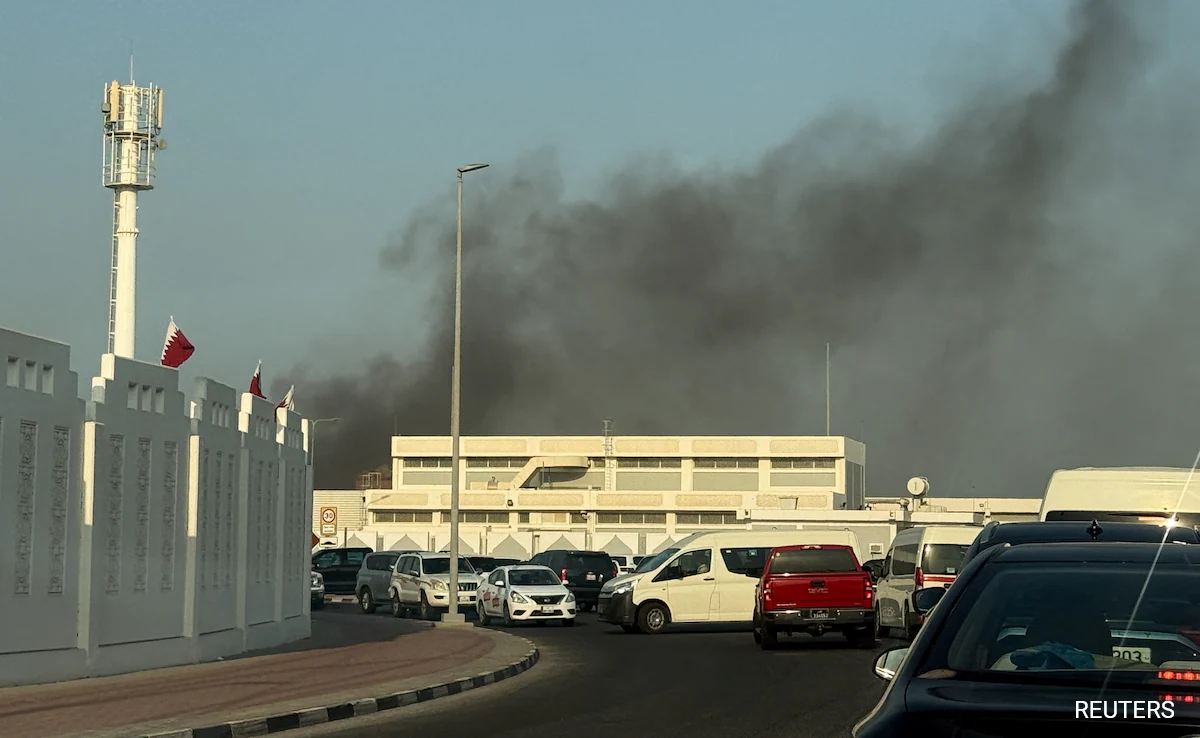
India's delicate diplomatic position has been a subject of discussion in recent times, especially after Israel's strike on Qatar. This incident has significant implications for India, given its diplomatic relationships with both Israel and Qatar. The country's diplomatic stance is a delicate balance of maintaining good relations with multiple nations, while also considering its own national interests.
The strike has raised concerns about the potential escalation of conflicts in the region, and India's role in maintaining peace and stability. India has historically maintained good relations with both Israel and Qatar, and this incident has put the country in a difficult position. The Indian government will need to navigate this situation carefully, taking into account the interests of both nations and the potential consequences of its actions.
Some of the key implications of this incident for India include:
- Impact on India's energy security, as Qatar is a major supplier of liquefied natural gas to India
- Potential effects on India's trade relationships with both Israel and Qatar
- Implications for India's role in regional and international organizations, such as the United Nations
- Concerns about the potential for escalation of conflicts in the region, and India's role in maintaining peace and stability
The Indian government will need to consider these factors carefully, as it navigates this complex diplomatic situation. The country's relationships with Israel and Qatar are important, and any misstep could have significant consequences. India will need to balance its own national interests with its relationships with other nations, and work to maintain peace and stability in the region.
In terms of potential next steps, India may need to engage in diplomatic efforts to reduce tensions between Israel and Qatar. This could involve high-level diplomatic meetings, or engagement through international organizations. India may also need to consider its own military and strategic relationships with both nations, and how these relationships may be impacted by the current situation. Overall, India's delicate diplomatic position requires careful consideration and navigation, in order to maintain good relations with multiple nations and promote peace and stability in the region.
Historical Context of India-Israel Relations
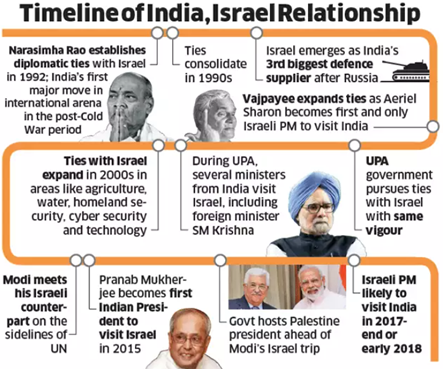
The relationship between India and Israel has undergone significant transformations since the two countries established formal diplomatic ties in 1992. Prior to this, India had maintained a distance from Israel due to its solidarity with the Palestinian cause and its relations with Arab countries. However, with the end of the Cold War and the changing global landscape, India began to reassess its foreign policy priorities.
One of the key factors that contributed to the evolution of India-Israel ties was the convergence of mutual interests. Both countries faced similar security challenges, including terrorism and extremism, which created a basis for cooperation. India was also keen to tap into Israel's expertise in areas such as agriculture, technology, and defense.
In the early years of their relationship, India and Israel focused on building economic ties, with trade between the two countries growing rapidly. This laid the foundation for a more comprehensive partnership that would encompass a range of areas, including defense, technology, and culture.
Some of the key milestones in the evolution of India-Israel ties include:
- Establishment of full diplomatic relations in 1992, which marked a significant shift in India's foreign policy
- Visit of Israeli President Ezer Weizman to India in 1997, which helped to strengthen bilateral ties
- India's decision to support Israel's candidacy for a non-permanent seat on the UN Security Council in 2000, which reflected the growing warmth in their relationship
- Signing of a free trade agreement in 2018, which aimed to boost bilateral trade and investment
The defense sector has been a major area of cooperation between India and Israel, with the two countries collaborating on a range of projects, including the development of missile defense systems and unmanned aerial vehicles. Israel has also been a key supplier of military equipment to India, including drones, radar systems, and artillery guns. This cooperation has helped to enhance India's military capabilities and has contributed to the deepening of their strategic partnership.
In recent years, India and Israel have expanded their cooperation to include areas such as innovation, entrepreneurship, and people-to-people exchanges. The two countries have also been working together on regional and global issues, including counter-terrorism and non-proliferation. With their relationship continuing to evolve, India and Israel are likely to remain important partners in the years to come, driven by their shared interests and mutual benefits.
Impact of the Qatar Strike on India's Diplomacy
The Qatar strike has significant implications for India's diplomatic relations, particularly with Qatar and Israel. India has traditionally maintained good relations with both countries, and the strike has raised concerns about the potential impact on these relationships. India's diplomatic efforts will be crucial in navigating this complex situation and minimizing any negative repercussions.
The strike has already led to increased tensions in the region, and India's response will be closely watched by both Qatar and Israel. India has been careful to maintain a balanced approach, calling for a peaceful resolution to the crisis while also emphasizing the need to address concerns about terrorism. This balanced approach is essential to maintaining good relations with both countries.
Some of the key challenges that India may face in its relations with Qatar and Israel include:
- Potential disruption to trade and economic ties, particularly in the energy sector
- Increased pressure to take sides in the conflict, which could damage relations with one or both countries
- Impact on India's efforts to counter terrorism, particularly in the context of the strike
- Need to balance its relationships with other countries in the region, including Saudi Arabia and the UAE
In terms of India's West Asian policy, the strike has significant potential repercussions. India has been seeking to increase its engagement with the region, and the strike has highlighted the complexities and challenges of navigating the regional dynamics. The strike may also lead to a re-evaluation of India's priorities in the region, with a greater emphasis on stability and security.
The Indian government will need to carefully consider its approach to the region, taking into account the potential risks and opportunities. This may involve:
- Intensifying diplomatic efforts to promote a peaceful resolution to the crisis
- Engaging with other countries in the region to promote stability and security
- Reviewing its trade and economic ties with the region, particularly in the energy sector
- Re-evaluating its counter-terrorism strategy, particularly in the context of the strike
Overall, the Qatar strike has significant implications for India's diplomacy, particularly in the context of its relations with Qatar and Israel. The Indian government will need to navigate this complex situation carefully, balancing its relationships with both countries while also promoting stability and security in the region.

India's Stance on the Qatar Strike
India's stance on the Qatar strike has been a topic of interest for many, especially given the country's significant diaspora population in the Gulf region. The Indian government's official response to the strike has been cautious, with a focus on maintaining good relations with all the countries involved.
The Indian government has issued statements calling for a peaceful resolution to the crisis, while also emphasizing the need for all parties to engage in dialogue. This approach is in line with India's traditional foreign policy principles, which emphasize the importance of non-interference in the internal affairs of other countries.
Some of the key factors that have shaped India's stance on the Qatar strike include:
- India's economic interests in the Gulf region, including its significant trade relationships with countries such as Saudi Arabia, the United Arab Emirates, and Qatar
- The presence of a large Indian diaspora population in the region, with many Indians living and working in Qatar and other Gulf countries
- India's desire to maintain good relations with all the countries involved in the crisis, in order to protect its economic and strategic interests
The role of India's foreign policy principles in shaping its stance on the Qatar strike cannot be overstated. India has long been a proponent of the principles of non-alignment and non-interference, and these principles have guided its approach to the crisis. By calling for a peaceful resolution and emphasizing the need for dialogue, India is seeking to maintain its relationships with all the countries involved, while also promoting stability and security in the region.
In terms of implications, India's stance on the Qatar strike has several potential consequences. For one, it may help to promote stability and security in the Gulf region, by encouraging all parties to engage in dialogue and work towards a peaceful resolution. Additionally, India's approach may also help to protect its economic and strategic interests in the region, by maintaining good relations with all the countries involved. Overall, India's stance on the Qatar strike reflects its commitment to the principles of non-alignment and non-interference, and its desire to promote stability and security in the region.

Future of India's Diplomatic Balancing Act
India's diplomatic efforts in West Asia have been a subject of interest for many years. The country has managed to maintain a delicate balance between various nations in the region, including Iran, Israel, and the Gulf countries. However, recent events have raised questions about the potential long-term effects on India's diplomacy.
The strike has brought attention to India's ability to navigate complex geopolitical relationships. Speculating on the potential long-term effects, it is possible that India's diplomatic relationships with West Asian countries may undergo significant changes. India may need to reassess its priorities and strategies to maintain its influence in the region.
To maintain its delicate balance in West Asia, India could consider the following strategies:
- Engaging in continuous dialogue with all stakeholders to ensure that its interests are represented and heard.
- Building on its historical relationships with countries like Iran, while also strengthening ties with other nations like Israel and the UAE.
- Promoting economic cooperation and trade with West Asian countries to create mutual interests and dependencies.
- Supporting regional initiatives and forums that promote peace, stability, and cooperation in West Asia.
India's diplomatic efforts in West Asia will require careful planning and execution. The country will need to balance its relationships with various nations, while also pursuing its own interests and priorities. By adopting a pragmatic and flexible approach, India can navigate the complexities of West Asian geopolitics and maintain its influence in the region.
India's ability to maintain its delicate balance in West Asia will depend on its ability to adapt to changing circumstances and navigate complex relationships. The country will need to be proactive in promoting its interests and engaging with other nations to create a stable and peaceful environment in the region. By doing so, India can ensure that its diplomatic efforts in West Asia yield positive results and contribute to the country's growth and prosperity.

Frequently Asked Questions (FAQ)
How does the Qatar strike affect India's energy security?
India's energy security is heavily reliant on imported oil, with a significant portion coming from the Middle East. Qatar is one of the major oil suppliers to India, and any disruption in oil supplies from Qatar can have a significant impact on India's energy security. The strike in Qatar may lead to a reduction in oil production, which can result in a shortage of oil supplies to India.
This shortage can have far-reaching consequences for India's economy, as the country is heavily dependent on oil to meet its energy needs. The transportation sector, which is a major consumer of oil, may be severely impacted, leading to increased costs and reduced economic activity. Furthermore, the strike may also lead to an increase in global oil prices, which can further exacerbate the impact on India's energy security.
Some of the potential impacts of the strike on India's energy security include:
- Disruption in oil supplies, leading to a shortage of oil in the domestic market
- Increase in global oil prices, making it more expensive for India to import oil
- Reduced economic activity, as the transportation sector and other oil-dependent industries are impacted
- Increased pressure on India's foreign exchange reserves, as the country may need to spend more to import oil
The Indian government has been taking steps to reduce the country's dependence on imported oil, such as promoting the use of renewable energy sources and increasing domestic oil production. However, these efforts are still in their early stages, and the country remains heavily reliant on imported oil to meet its energy needs. As such, the strike in Qatar poses a significant risk to India's energy security, and the government will need to take urgent action to mitigate its impact.
In order to mitigate the impact of the strike, the Indian government may need to diversify its oil imports, by increasing imports from other countries. The government may also need to take steps to reduce the country's oil consumption, such as promoting the use of public transport and increasing the efficiency of oil use in the transportation sector. By taking these steps, the government can help to reduce the impact of the strike on India's energy security and ensure that the country's energy needs are met.
What role does the US play in India's diplomatic balancing act?
The United States is a significant player in West Asia, and its relationships with various countries in the region have a substantial impact on India's diplomatic stance. India's diplomatic balancing act is a delicate maneuver, as it seeks to maintain good relations with multiple countries while pursuing its national interests. The US, with its considerable influence in the region, plays a crucial role in shaping India's diplomatic decisions.
India's relations with the US are multifaceted, with cooperation in areas such as defense, trade, and counter-terrorism. However, the US also has close relationships with other countries in the region, including Israel and Qatar, which can sometimes create complexities for India's diplomatic efforts. The US-Israel relationship, in particular, is a significant factor, as India has also sought to strengthen its ties with Israel in recent years.
Some key aspects of the US role in India's diplomatic balancing act include:
- The US presence in West Asia, which can provide a degree of stability and security for India's interests in the region
- The US relationship with Israel, which can influence India's diplomatic stance on issues related to the Middle East peace process
- The US engagement with Qatar, which can impact India's energy security and economic interests in the region
- The US approach to counter-terrorism, which can align with or diverge from India's own counter-terrorism efforts
The interplay between these factors can create both opportunities and challenges for India's diplomatic efforts. On one hand, the US can provide a degree of leverage and support for India's interests in the region. On the other hand, the US relationships with other countries can create tensions and complexities that India must navigate carefully. As India seeks to balance its relationships with multiple countries, the US role in the region will remain a critical factor in shaping its diplomatic stance.
In navigating this complex landscape, India must carefully consider its own national interests and priorities. This includes maintaining good relations with the US, while also pursuing its own relationships with other countries in the region, such as Israel and Qatar. By doing so, India can seek to promote its own diplomatic and economic interests, while also contributing to regional stability and security. The US role in India's diplomatic balancing act will continue to evolve, and India must remain adaptable and responsive to changing circumstances in the region.
Can India maintain good relations with both Israel and Qatar?
India's foreign policy has undergone significant changes in recent years, with the country seeking to establish and maintain good relations with nations across the globe. When it comes to Israel and Qatar, two countries with distinct political and economic profiles, India faces a unique challenge. Both countries are important to India's national interests, and maintaining good relations with them is crucial for the country's economic and strategic growth.
India's relationship with Israel has been growing steadily over the years, with cooperation in areas such as defense, agriculture, and technology. On the other hand, Qatar is an important partner for India in the energy sector, with the country being one of the largest suppliers of liquefied natural gas to India. To maintain good relations with both countries, India can prioritize its national interests and engage in diplomatic efforts. This can be achieved by:
- Encouraging people-to-people exchanges and cultural diplomacy to foster greater understanding and cooperation between the three nations
- Focusing on areas of common interest, such as trade, investment, and security, where cooperation can be mutually beneficial
- Engaging in regular diplomatic dialogue to address any concerns or issues that may arise and to promote greater cooperation
By adopting a nuanced and multi-faceted approach to its relationships with Israel and Qatar, India can potentially navigate the complexities of the Middle East and maintain good relations with both countries. This will require careful diplomacy and a deep understanding of the regional dynamics at play. India's ability to balance its relationships with these two nations will be crucial in achieving its foreign policy objectives and promoting its national interests.
India's diplomatic efforts can also be supported by its growing economic clout, which can be used to foster greater cooperation with both Israel and Qatar. By promoting trade and investment, India can create a web of economic relationships that can help to underpin its diplomatic efforts and promote greater stability in the region. This can include:
- Increasing trade and investment between India and Israel, particularly in areas such as technology and defense
- Expanding energy cooperation with Qatar, including the development of new energy infrastructure and the promotion of joint ventures
- Promoting tourism and people-to-people exchanges between India, Israel, and Qatar to foster greater understanding and cooperation
Ultimately, India's ability to maintain good relations with both Israel and Qatar will depend on its ability to prioritize its national interests and engage in effective diplomatic efforts. By adopting a flexible and nuanced approach to its relationships with these two nations, India can promote its foreign policy objectives and achieve greater stability and cooperation in the region.


