The global economy has been witnessing a significant shift in recent years, with trade tensions escalating between major world powers. At the forefront of this development are the rising tensions between China and the US, two of the world's largest economies. These tensions have been sparked by a series of events, with one of the most significant being Trump's tariff call.
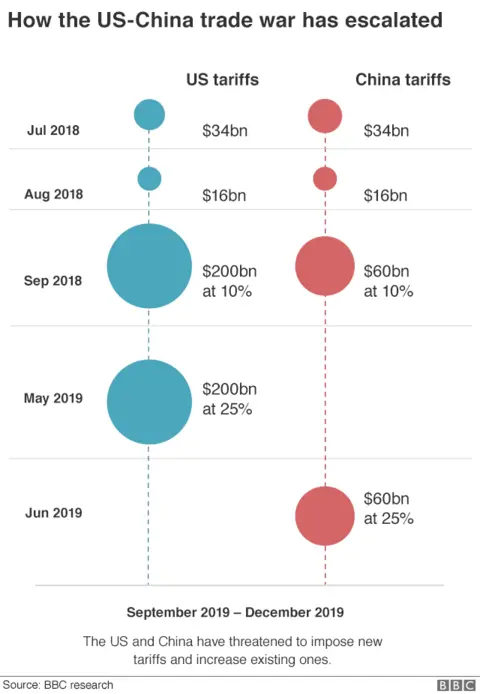
The situation began to unfold when the US imposed tariffs on Chinese goods, citing unfair trade practices and intellectual property theft. China responded in kind, imposing its own tariffs on US goods. This back-and-forth has led to a trade war, with both countries imposing increasingly severe tariffs on each other's goods. The effects of this trade war are being felt globally, with many countries caught in the middle.
Some of the key issues driving the trade tensions between China and the US include:
- Unfair trade practices, including subsidies to state-owned enterprises and forced technology transfer
- Intellectual property theft, including the theft of trade secrets and pirated goods
- China's growing economic and military power, which is seen as a threat to US dominance
- The large trade deficit between the two countries, with the US importing significantly more from China than it exports
The imposition of tariffs has had a significant impact on both countries, with the US experiencing higher prices for goods and China facing a slowdown in economic growth. The trade war has also had a ripple effect on other countries, with many experiencing disruption to their supply chains and trade relationships. As the situation continues to unfold, it remains to be seen how the trade tensions between China and the US will be resolved.
Background of the Trade War
The history of the US-China trade war is complex and multifaceted, spanning several decades. It began in the 1980s, when the US and China first established trade relations. Initially, the relationship was marked by a significant trade deficit in favor of China, which led to growing tensions between the two nations.
In the early 2000s, the US began to express concerns about China's trade practices, including allegations of intellectual property theft and currency manipulation. These concerns were exacerbated by China's rapid economic growth, which led to a significant increase in its trade surplus with the US. The US responded by imposing tariffs on certain Chinese goods, but the issue remained unresolved.
Several key events have contributed to the current situation. Some of the most significant include:
- The US withdrawal from the Trans-Pacific Partnership (TPP) in 2017, which was seen as a blow to US trade relations with Asia
- The imposition of tariffs on Chinese goods by the US in 2018, which led to retaliatory measures by China
- The US-China trade talks in 2019, which aimed to resolve the trade dispute but ultimately ended in stalemate
- The signing of the US-China Phase One trade deal in 2020, which introduced new trade rules and regulations
These events have led to a significant escalation of the trade war, with both sides imposing tariffs and engaging in a series of retaliatory measures.
The trade war has had significant implications for the global economy, with many countries caught in the middle. The US and China are two of the world's largest economies, and their trade dispute has led to instability and uncertainty in the markets. The situation remains unresolved, with ongoing tensions and negotiations between the two nations.
The key events that led to the current situation can be attributed to a combination of factors, including trade imbalances, intellectual property concerns, and security issues. The US has long been concerned about China's trade practices, which it sees as unfair and damaging to its own economy. China, on the other hand, views the US actions as an attempt to contain its economic growth and undermine its global influence. The situation remains complex and contentious, with no clear resolution in sight.
Trump's 100% Tariff Call
Trump's recent statement on imposing a 100% tariff has sent shockwaves across the global economy. The announcement has sparked intense debate and raised concerns about the potential consequences of such a move. At the heart of the issue is the question of whether a 100% tariff would be beneficial or detrimental to the US economy.
The implications of Trump's statement are far-reaching and complex. On one hand, a 100% tariff could potentially protect US industries by limiting foreign competition. However, it could also lead to a significant increase in prices for consumers, as companies may pass on the added costs to their customers. This, in turn, could lead to a decrease in demand and ultimately harm US businesses.
There are several key factors to consider when analyzing the effects of a 100% tariff. Some of the main points to consider include:
- The impact on US businesses, particularly those that rely heavily on imports
- The potential for retaliatory measures from other countries
- The effects on consumers, including increased prices and reduced purchasing power
- The potential consequences for the global economy, including the risk of a trade war
The effects of a 100% tariff on US businesses would be significant. Companies that rely on imports would face substantial increases in costs, which could lead to reduced profitability and potentially even bankruptcy. This, in turn, could lead to job losses and economic instability. Furthermore, a 100% tariff could also lead to a decline in foreign investment, as companies may be deterred from investing in a country with such high trade barriers.
In terms of consumers, a 100% tariff would likely lead to a significant increase in prices for a wide range of goods. This could have a disproportionate impact on low-income households, which may struggle to afford basic necessities. Additionally, a 100% tariff could also lead to a reduction in consumer choice, as companies may be forced to limit their product offerings due to the high costs of imports. Overall, the implications of Trump's 100% tariff call are complex and multifaceted, and would require careful consideration of the potential consequences for US businesses and consumers.

China's Response to the Tariff Call
China's official statement on the trade war has been one of calm and restraint, with the government calling for a negotiated settlement to the dispute. The Chinese government has emphasized its commitment to free trade and its desire to resolve the issue through diplomatic means. However, China has also made it clear that it will not back down in the face of tariffs and will take necessary measures to protect its own interests.
In terms of its stance on the trade war, China has taken a firm but measured approach. The government has stated that it will respond to any tariffs imposed by the US with equivalent countermeasures, but has not specified what these measures will be. China's goal is to minimize the impact of the trade war on its own economy while also demonstrating its resolve to defend its interests.
Some potential countermeasures China might take include:
- Imposing tariffs on US goods imported into China, such as agricultural products, aircraft, and automobiles
- Restricting US companies' access to the Chinese market, including limits on investment and joint ventures
- Supporting Chinese companies that are impacted by the trade war, such as through subsidies or other forms of assistance
- Diversifying China's trade relationships to reduce its dependence on the US market
- Using non-tariff barriers, such as regulatory hurdles or licensing requirements, to limit US imports
These countermeasures could have a significant impact on the US economy, particularly if they are targeted at key sectors such as agriculture or technology. However, China will also need to be careful not to escalate the trade war too far, as this could have negative consequences for its own economy and trade relationships. Ultimately, China's goal is to find a negotiated solution to the trade dispute that protects its interests while also promoting a stable and predictable trade environment.
China's response to the trade war will depend on a variety of factors, including the severity of the tariffs imposed by the US and the impact of the trade war on the Chinese economy. The government will need to balance its desire to defend its interests with the need to maintain a stable and growing economy. By taking a firm but measured approach, China hopes to achieve a resolution to the trade dispute that benefits both countries and promotes a more stable and cooperative trade relationship.

Global Implications of the Trade War
The trade war has far-reaching implications that affect not only the countries directly involved but also the global economy as a whole. Global markets have been experiencing significant volatility due to the trade tensions, with investors becoming increasingly risk-averse. This has led to a decline in investment and a slowdown in economic growth.
The impact of the trade war on global economies is multifaceted. On one hand, some countries may benefit from the diversion of trade and investment away from the countries involved in the trade war. On the other hand, many countries are likely to suffer from the reduced trade and investment, leading to lower economic growth and higher unemployment. The trade war also has the potential to disrupt global supply chains, leading to shortages and price increases for certain goods.
Some of the key areas affected by the trade war include:
- Export-oriented industries, which are likely to suffer from reduced demand and lower prices
- Import-dependent industries, which may face higher costs and reduced availability of certain goods
- Financial markets, which are experiencing increased volatility and reduced investment
- Consumers, who may face higher prices and reduced availability of certain goods
The potential long-term consequences of the trade war are significant. If the trade war continues or escalates, it could lead to a decline in global economic growth, higher unemployment, and increased poverty. The trade war could also lead to a decline in international cooperation and an increase in protectionism, which could have negative consequences for global stability and security.
In the long term, the trade war could also lead to a shift in the global economic landscape, with some countries emerging as winners and others as losers. The trade war could also lead to a decline in the use of the US dollar as a global reserve currency, and a shift towards other currencies such as the euro or the yuan. Overall, the trade war has significant implications for global markets and economies, and its potential long-term consequences could be far-reaching and profound.
Frequently Asked Questions (FAQ)
What are the main products affected by the US-China trade war?
The trade war between the US and China has had far-reaching consequences, affecting various industries and products. One of the primary concerns is the impact on electronics, as many components and finished goods are imported from China. This includes smartphones, laptops, and other consumer electronics, which are essential to daily life.
The clothing industry is another sector that has been significantly affected by the trade war. The US imports a substantial amount of clothing and textiles from China, and the tariffs imposed have led to increased costs for manufacturers and consumers alike. This has resulted in higher prices for clothing and footwear, affecting both domestic and international brands.
Agricultural goods have also been impacted by the trade war. China is a major market for US agricultural products, such as soybeans, corn, and wheat. The tariffs imposed by China on these products have led to a significant decline in exports, affecting farmers and the agriculture industry as a whole. Some of the key products affected include:
- Soybeans: used for animal feed, food products, and biofuels
- Corn: used for animal feed, ethanol production, and human consumption
- Wheat: used for bread, pasta, and other baked goods
The trade war has also affected other products, including machinery, furniture, and chemicals. The tariffs imposed have disrupted global supply chains, leading to increased costs and reduced competitiveness for many businesses. As a result, companies are being forced to re-evaluate their sourcing and manufacturing strategies, leading to a shift in the global trade landscape.
How does the trade war affect US businesses and consumers?
The ongoing trade war has significant implications for US businesses and consumers. One of the primary effects is the increase in prices of imported goods. As tariffs are imposed on imported products, businesses are forced to absorb the additional costs or pass them on to consumers. This can lead to higher prices for a wide range of products, from electronics to clothing.
For US businesses, the trade war can result in reduced sales and revenue. If prices increase due to tariffs, consumers may choose to purchase alternative products or delay their purchases, leading to decreased demand. This can be particularly challenging for small and medium-sized businesses that rely on imports to produce their products or services. As a result, these businesses may struggle to remain competitive in the market.
The trade war can also lead to potential job losses for US businesses and consumers. If businesses are unable to absorb the additional costs of tariffs or experience reduced sales, they may be forced to downsize their operations or lay off employees. This can have a ripple effect on the economy, leading to higher unemployment rates and decreased economic growth. Some of the key industries affected by the trade war include:
- Manufacturing: Businesses that rely on imported raw materials or components may experience increased costs and reduced sales.
- Agriculture: Farmers who export their products to other countries may face tariffs and decreased demand, leading to reduced sales and revenue.
- Retail: Consumers may experience higher prices for imported products, leading to reduced sales and revenue for retailers.
In addition to these effects, the trade war can also lead to uncertainty and volatility in the market. Businesses may be hesitant to invest in new projects or hire new employees due to the uncertainty surrounding trade policies. This can lead to decreased economic growth and investment, ultimately affecting US businesses and consumers. As the trade war continues, it is essential for businesses and policymakers to monitor its effects and develop strategies to mitigate its impact on the economy.
Can the trade war be resolved through diplomatic means?
The ongoing trade war between the US and China has significant implications for the global economy. Diplomatic efforts can play a crucial role in resolving this conflict. Negotiations and dialogue are essential components of diplomatic efforts, allowing both countries to discuss their concerns and work towards a mutually beneficial agreement.
Diplomatic efforts can help to reduce tensions and improve communication between the two nations. By engaging in regular talks, the US and China can better understand each other's positions and find common ground. This can lead to the resolution of specific trade issues, such as tariffs and market access.
Some of the key diplomatic efforts that can help resolve the trade war include:
- High-level negotiations between government officials, including presidents, prime ministers, and trade ministers
- Regular dialogue between trade representatives and diplomats to discuss specific trade issues
- International cooperation through organizations such as the World Trade Organization (WTO) to establish common trade rules and standards
- Cultural and people-to-people exchanges to promote mutual understanding and trust
These diplomatic efforts can help to build trust and confidence between the US and China, paving the way for a comprehensive trade agreement. By working together, the two countries can address their differences and find ways to cooperate on trade and economic issues. This can have significant benefits for both countries, including increased trade, investment, and economic growth.
Ultimately, diplomatic efforts offer a peaceful and constructive way to resolve the trade war. By engaging in negotiations and dialogue, the US and China can find a solution that benefits both countries and promotes global economic stability. This approach can help to reduce the risk of further escalation and promote a more cooperative and collaborative relationship between the two nations.


