The city of Rajahmundry, situated in the East Godavari district of Andhra Pradesh, India, is known for its rich cultural heritage and breathtaking natural beauty. However, the city's unique climate, characterized by high humidity and temperatures, makes it a breeding ground for various seasonal maladies. Post-shower weather, a common phenomenon in Rajahmundry, refers to the sudden change in weather conditions after a heavy downpour. The drop in temperature, accompanied by an increase in humidity, creates an ideal environment for the growth and spread of disease-causing microorganisms. The correlation between post-shower weather and the surge in seasonal maladies in Rajahmundry cannot be overstated. During this time, the city witnesses a significant increase in the number of cases related to:
- Respiratory issues, such as bronchitis, asthma, and pneumonia, which thrive in humid environments.
- Water-borne diseases, like diarrhea, cholera, and typhoid fever, which spread rapidly through contaminated water sources.
- Vector-borne diseases, including dengue fever, chikungunya, and malaria, which are transmitted through mosquitoes that breed in stagnant water.
- Skin infections, like fungal and bacterial infections, which flourish in warm and humid conditions.
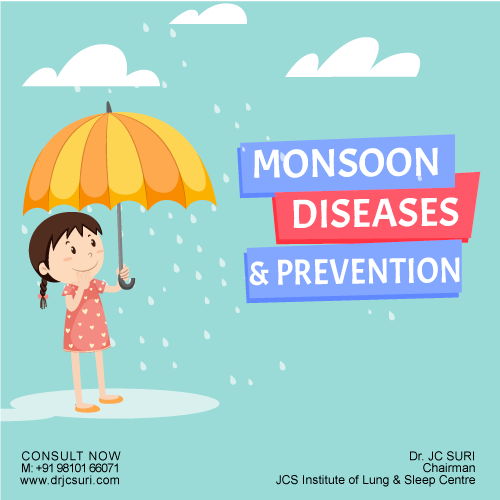
The Connection Between Rainy Weather and Seasonal Maladies
- Influenza
- Common cold
- Sinus infections
- Pneumonia
- Allergies
- Getting enough sleep and maintaining a healthy diet
- Staying hydrated and avoiding close contact with individuals who are ill
- Practicing good hygiene, such as washing your hands frequently
- Getting vaccinated against seasonal illnesses, such as the flu
- Avoiding stressful situations and taking steps to manage stress
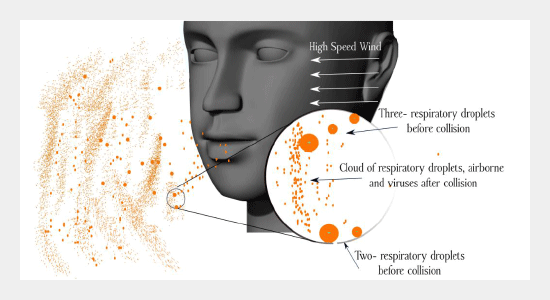
Common Seasonal Maladies in Rajahmundry During Post-Shower Weather
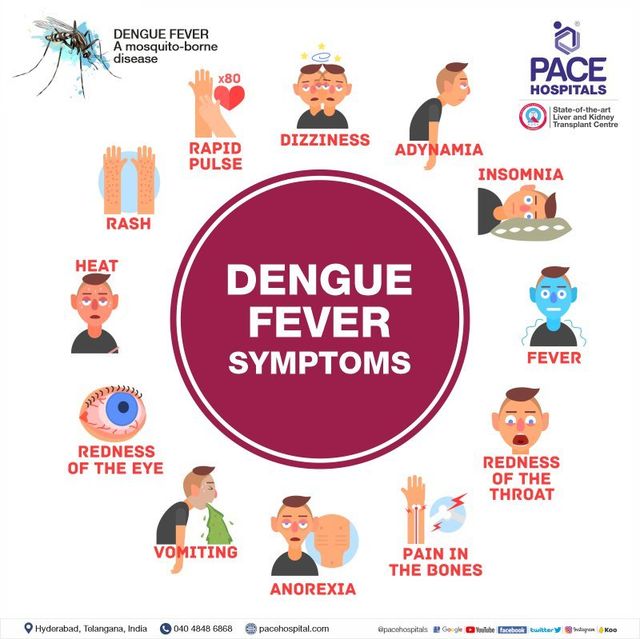
- Dengue Fever: Dengue fever is a severe and potentially life-threatening disease that is prevalent in Rajahmundry during the post-shower season. It is characterized by high fever, severe headache, and pain behind the eyes.
- Chikungunya: Chikungunya is another common vector-borne disease that affects residents of Rajahmundry during this time. It is marked by severe joint pain, fever, and swelling of the joints.
- Cholera: Cholera is a highly infectious disease that is spread through contaminated food and water. It is characterized by diarrhea, vomiting, and severe dehydration.
- Typhoid Fever: Typhoid fever is another water-borne disease that is common in Rajahmundry during the post-shower season. It is marked by fever, headache, and abdominal pain.
- Avoid stagnating water and ensure proper disposal of waste to prevent the breeding of mosquitoes.
- Use mosquito repellents and wear protective clothing to prevent mosquito bites.
- Drink boiled or filtered water to avoid contamination.
- Practice good hygiene, such as washing hands regularly, to prevent the spread of diseases.
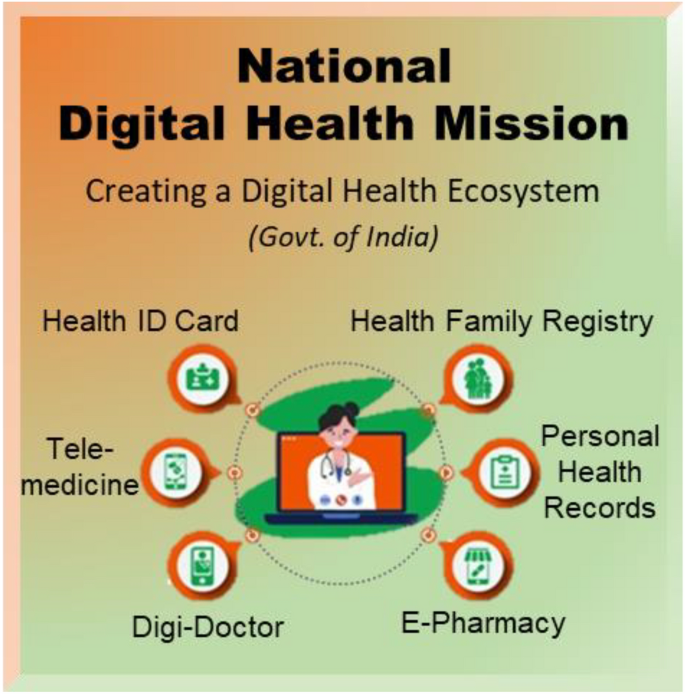
Government Initiatives to Combat Seasonal Maladies in Rajahmundry
- Fogging and Spraying: The municipal corporation carries out regular fogging and spraying operations in areas prone to mosquito breeding to prevent the spread of diseases like dengue and malaria.
- Drainage Maintenance: The authorities ensure that the drainage system is properly maintained to prevent waterlogging, which can lead to the breeding of mosquitoes and other disease-carrying insects.
- Waste Management: The local authorities have implemented a robust waste management system to prevent the accumulation of garbage, which can attract disease-carrying insects and rodents.
- Vaccination Drives: The health department conducts regular vaccination drives to protect people from seasonal diseases like influenza and cholera.
- Educate People: Educate people about the importance of maintaining personal hygiene, using mosquito nets, and eliminating breeding sites for mosquitoes.
- Promote Healthy Practices: Promote healthy practices like boiling water before consumption, using clean utensils, and washing hands regularly.
- Dispel Myths and Misconceptions: Dispel myths and misconceptions about seasonal diseases and promote accurate information about their causes and prevention.
Precautions and Preventive Measures for Residents of Rajahmundry
- Wash your hands frequently with soap and water, especially before eating and after using the bathroom.
- Keep your surroundings clean, and dispose of waste properly.
- Ensure proper ventilation in your home to prevent the accumulation of moisture and breeding of mosquitoes.
- Regularly clean and disinfect surfaces, especially in areas around the kitchen and bathroom.
- Use mosquito repellents that contain DEET, picaridin, or oil of lemon eucalyptus, and apply them according to the product's instructions.
- Wear protective clothing such as long-sleeved shirts, long pants, and socks when outdoors, especially during peak mosquito hours (dawn and dusk).
- Use mosquito nets around beds and strollers to prevent mosquito bites while sleeping or resting.
- Avoid wearing dark colors and perfumes, as these can attract mosquitoes.

Frequently Asked Questions (FAQ)
What are some common symptoms of seasonal maladies in Rajahmundry?
Rajahmundry, a city in the East Godavari district of Andhra Pradesh, India, experiences a tropical savanna climate with high temperatures and humidity throughout the year. This climate makes it an ideal breeding ground for mosquitoes, ticks, and other disease-carrying vectors, leading to a higher incidence of seasonal maladies. In this article, we will discuss the common symptoms of some of the most prevalent seasonal diseases in Rajahmundry, including dengue fever, chikungunya, and others. Dengue Fever Dengue fever is a viral disease transmitted by the bite of an infected Aedes mosquito. The early signs and symptoms of dengue fever typically appear within 3-7 days after the mosquito bite and may include:
- Fever, which can be high-grade and persistent, lasting for 2-7 days
- Severe headache, often accompanied by pain behind the eyes
- Muscle and joint pain, which can be debilitating
- Rash, which may appear on the skin 2-5 days after the onset of fever
- Nausea and vomiting
- Fatigue and general feeling of being unwell
- Sudden onset of fever, often accompanied by severe joint pain and swelling
- Joint pain, which can be debilitating and may persist for weeks or even months
- Rash, which may appear on the skin 2-5 days after the onset of fever
- Muscle pain and headache
- Fatigue and general feeling of being unwell
- Malaria: A parasitic disease spread by the bite of an infected Anopheles mosquito, characterized by fever, chills, and flu-like symptoms.
- Leptospirosis: A bacterial disease spread through the urine of infected animals, characterized by fever, headache, and muscle pain.
- Swine Flu: A viral disease spread through respiratory droplets, characterized by fever, cough, and body ache.
How can residents of Rajahmundry protect themselves from seasonal maladies?
Rajahmundry, a city in the East Godavari district of Andhra Pradesh, is known for its rich cultural heritage and natural beauty. However, the city's tropical climate makes it prone to seasonal maladies, which can be a major health concern for its residents. The good news is that with some simple preventive measures, residents of Rajahmundry can protect themselves from these diseases. Vaccination is one of the most effective ways to prevent seasonal maladies. Vaccines help build immunity against specific diseases, reducing the risk of infection. Residents of Rajahmundry should ensure they are up-to-date on all recommended vaccinations, including:
- Flu vaccine: To protect against seasonal influenza
- Typhoid vaccine: To prevent typhoid fever, a common water-borne disease in Rajahmundry
- Hepatitis A vaccine: To prevent hepatitis A, a liver disease spread through contaminated food and water
- Ensure proper waste disposal: Keep the surroundings clean, and dispose of waste in designated areas
- Use clean water: Drink water from safe sources, such as municipal supplies or filtered water
- Maintain clean surroundings: Regularly clean and disinfect surfaces, especially in areas where food is prepared and consumed
- Wash hands frequently: Use soap and water to wash hands, especially after using the toilet, before eating, and after handling animals or their waste
- Use mosquito repellents: Apply mosquito repellents, such as DEET or picaridin, to prevent mosquito-borne diseases like dengue and chikungunya
- Cover the mouth and nose: Wear a mask when outdoors to prevent the spread of airborne diseases like the flu
- Avoiding close contact with people who are sick
- Avoiding sharing food, drinks, or utensils with others
- Staying hydrated by drinking plenty of water
- Getting enough rest and managing stress
What role do local authorities play in controlling the spread of seasonal maladies in Rajahmundry?
Seasonal Maladies in Rajahmundry: The Crucial Role of Local Authorities Rajahmundry, a city in the East Godavari district of Andhra Pradesh, India, is prone to seasonal maladies such as dengue fever, chikungunya, and influenza. These diseases pose a significant threat to public health, and it is essential to understand the role of local authorities in controlling their spread. Government Agencies' Initiatives Government agencies play a vital role in preventing and controlling disease outbreaks in Rajahmundry. The Municipal Corporation of Rajahmundry takes the lead in implementing measures to prevent the spread of seasonal maladies. Some of the initiatives taken by the corporation include:
- Fogging and Spraying: The corporation conducts regular fogging and spraying of insecticides in public areas to eliminate mosquito breeding sites and prevent the spread of diseases like dengue and chikungunya.
- Waste Management: The corporation ensures proper waste disposal and management to prevent the accumulation of garbage, which can attract mosquitoes and other disease-carrying vectors.
- Public Awareness: The corporation organizes public awareness campaigns to educate citizens about the causes, symptoms, and prevention of seasonal maladies.
- Early Detection and Treatment: Healthcare providers diagnose and treat patients promptly, reducing the risk of disease transmission and complications.
- Vaccination Drives: Healthcare providers conduct vaccination drives to immunize citizens against diseases like influenza and other seasonal maladies.
- Health Education: Healthcare providers educate patients and their families about disease prevention, symptoms, and treatment options.
- Organizing Health Camps: Community leaders organize health camps and medical check-ups in public areas, providing citizens with access to healthcare services and promoting disease prevention.
- Promoting Hygiene: Community leaders promote hygiene and sanitation practices, such as proper handwashing and waste disposal, to prevent the spread of diseases.
- Raising Awareness: Community leaders raise awareness about the importance of disease prevention and control, encouraging citizens to take proactive measures to protect themselves and their families.
Promoted
Massive ROI on Your Career: Resume Bundle for Only ₹99
A winning resume is worth thousands in salary. Our bundle of 4,400+ templates costs just ₹99. The ROI is massive.
🔥 Get Lifetime Access Now 🔥

